

 中文简体
中文简体Most shower room problems are not design problems. They are specification problems. A homeowner or project manager usually starts by looking at tile samples or fixture finishes, but the real long-term risk sits in the glass panel that separates the wet zone from the dry zone. For facility managers and hotel developers, a poorly specified shower room glass can lead to premature failure, costly replacements, and liability issues. The goal of this guide is to make the specification process clear and practical, so that you can order the right glass and hardware the first time.
Why Tempered Glass Is the Standard for Shower Rooms
The short answer is that tempered glass is the only practical choice for shower rooms because of its strength and its breakage pattern. During tempering, the glass is heated to around 620 to 700 degrees Celsius and then rapidly cooled with air blasts. This thermal treatment creates a balanced stress profile: the outer surface is in compression while the interior is in tension. As a result, tempered glass is roughly four to five times stronger than annealed glass of the same thickness, which means it can tolerate the accidental impact of a shampoo bottle or an elbow hitting the panel.
More importantly, when tempered glass does break, it disintegrates into small, relatively blunt granules rather than the large, knife-like shards that ordinary glass produces. In a wet room where people stand on slick surfaces, that behavior dramatically reduces the risk of serious cuts and lacerations. International building codes and shower door standards require safety glass for wet areas. Chinese 3C certification and European CE marking both embody this requirement. A supplier that holds both certifications, such as MD Glass with its 17+ years of experience, also provides SGS test reports that confirm the physical properties of each thickness.
| Property | Tempered Glass | Regular Annealed Glass |
|---|---|---|
| Relative strength | 4-5 times stronger | Baseline |
| Breakage pattern | Small blunt granules | Large sharp shards |
| Recommended use | Shower screens, enclosures | Not recommended for wet areas |
| Post-tempering modification | Not allowed | Appropriate for cutting and drilling |
Choosing the Right Glass Thickness and Type
For most shower rooms, 6mm and 8mm tempered glass cover the vast majority of residential and commercial applications. A 6mm panel works well for screens up to roughly 1.8 meters in width, while an 8mm panel is the safer choice for larger panels, higher enclosures, or any glass that supports a hinged door used heavily. If you are outfitting a compact bathroom with a fixed walk-in screen, 6mm is often the sweet spot: it is strong enough, lighter to handle during installation, and less expensive than thicker glass.
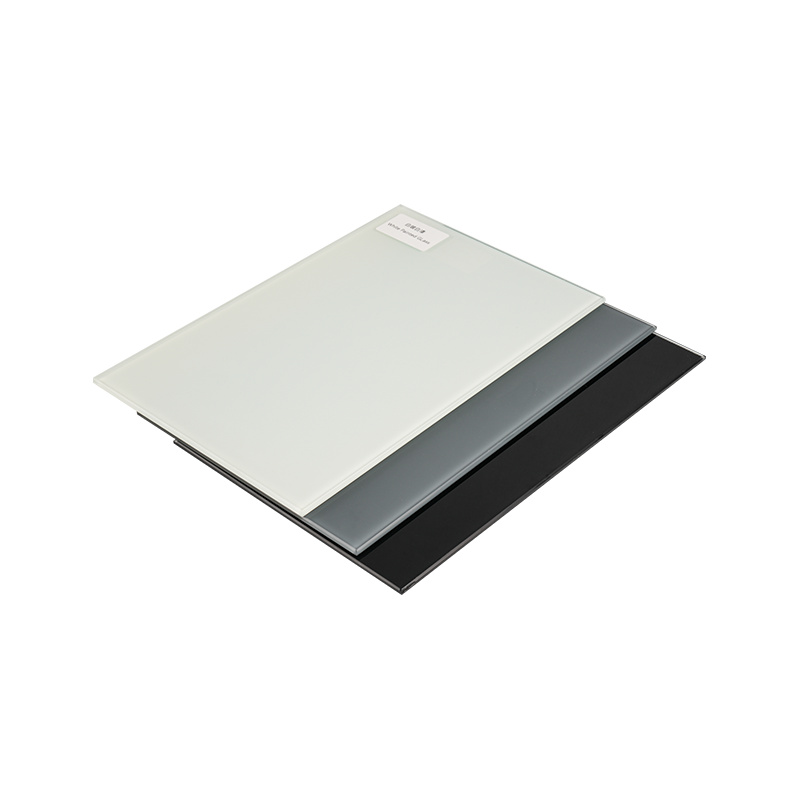
The type of glass matters as much as the thickness. tempered shower room glass in white or clear transparent versions remains the most popular option because it maximizes natural light and keeps small spaces visually open. Clear glass, however, shows water spots and soap residue more easily, which is why many customers choose a low-maintenance coating. If privacy is more important than brightness, patterned or frosted glass may serve your needs better than clear glass.
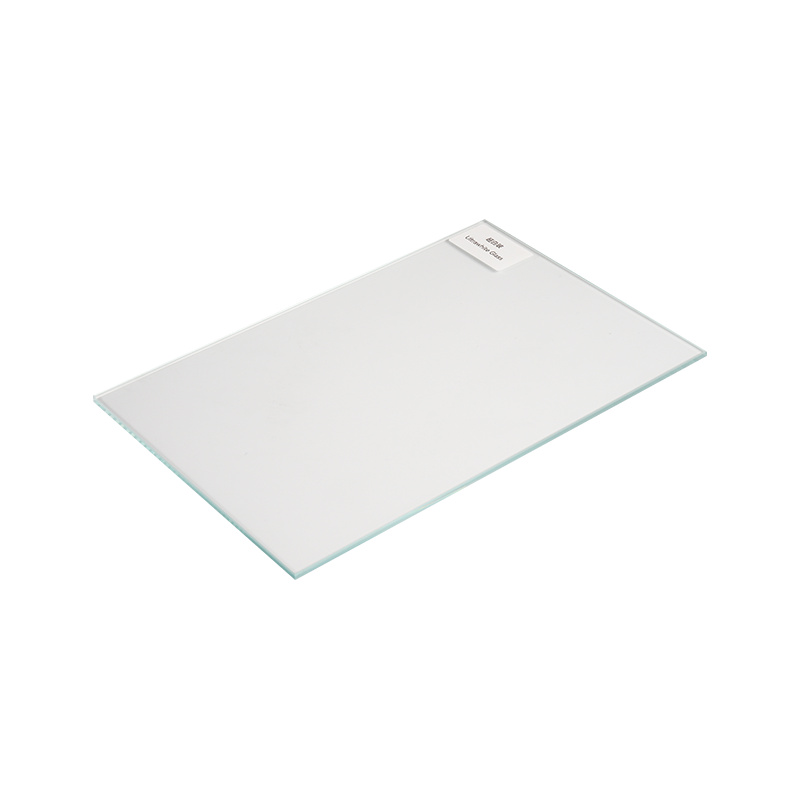 White Transparent Tempered Shower Room GlassThis clear tempered glass enhances brightness in compact bathrooms, offering high hardness and heat resistance. Its pure color and good light transmittance create an open feel, making it a practical choice for small spaces.View Product →
Design Options: From Clear to Textured and Colored Glass
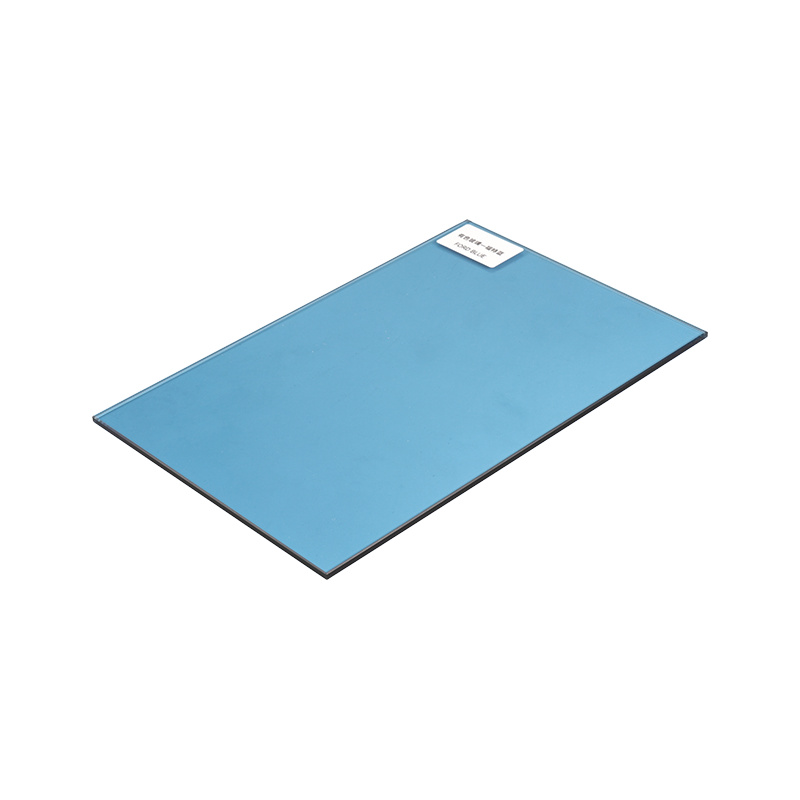
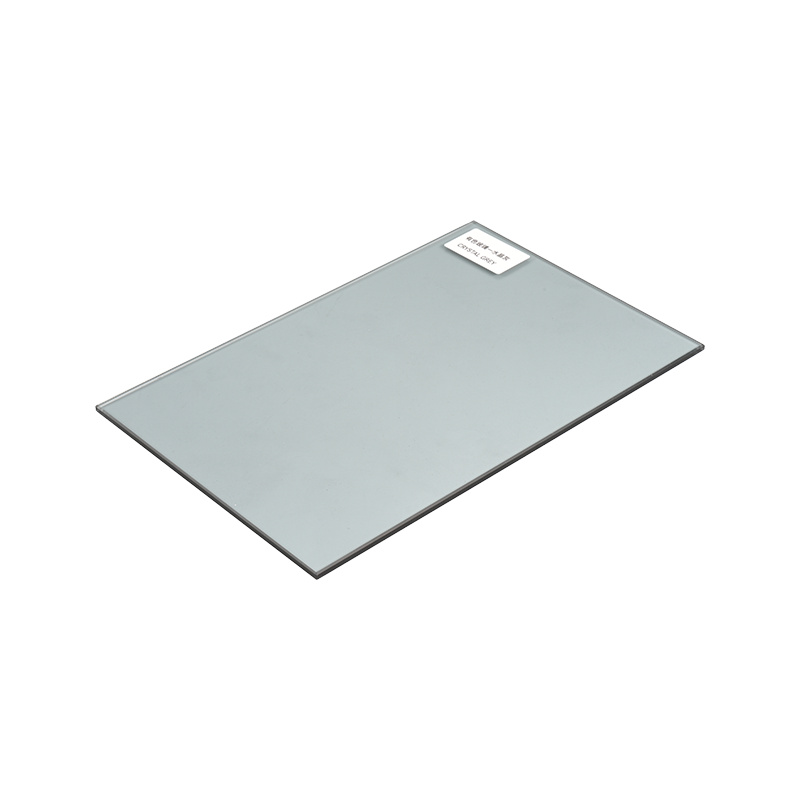
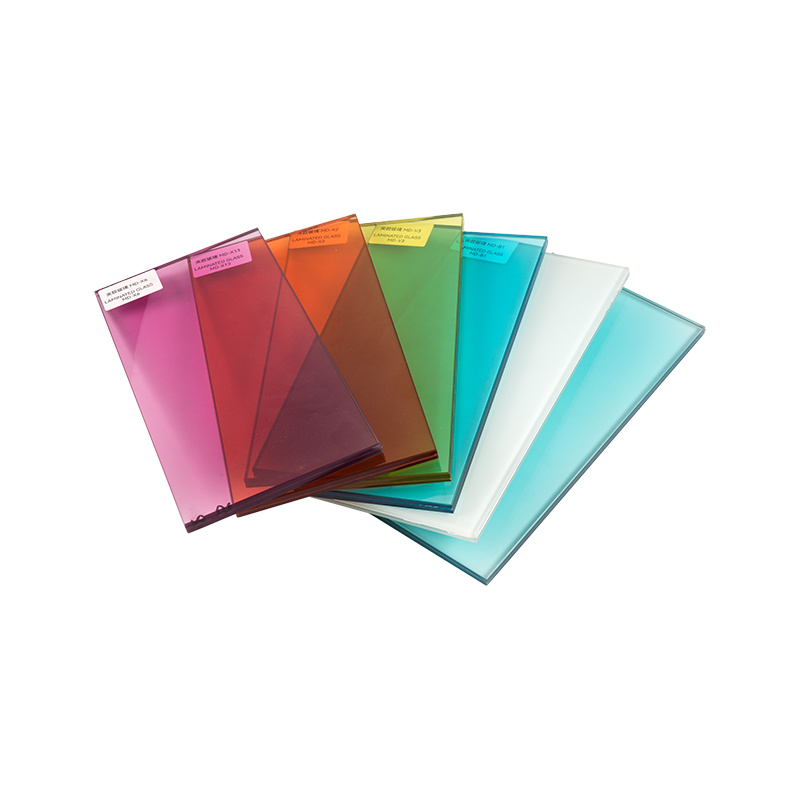
Color and texture are not purely decorative concerns in a shower room; they perform practical functions. Clear glass creates a bright, airy feel and is ideal for small bathrooms where light is limited. Tinted glass in brown, gray, or blue tones reduces glare, absorbs UV radiation, and adds a warm, hotel-like character. colored tempered glass shower screens in brown and blue tones let you achieve a distinctive look without compromising safety standards.
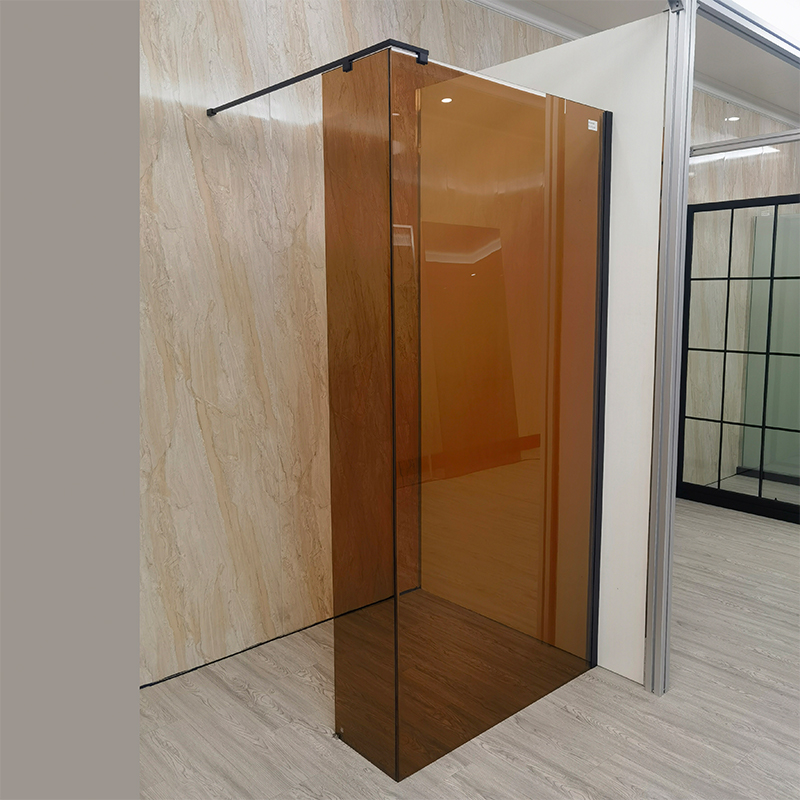 Tinted Tempered Shower Screen with Easy-Clean SurfaceBrown and blue tinted glass options add warmth and privacy while blocking glare and UV light. The smooth, stain-resistant surface simplifies maintenance, and the tempered construction ensures durability and safety in wet areas.View Product →
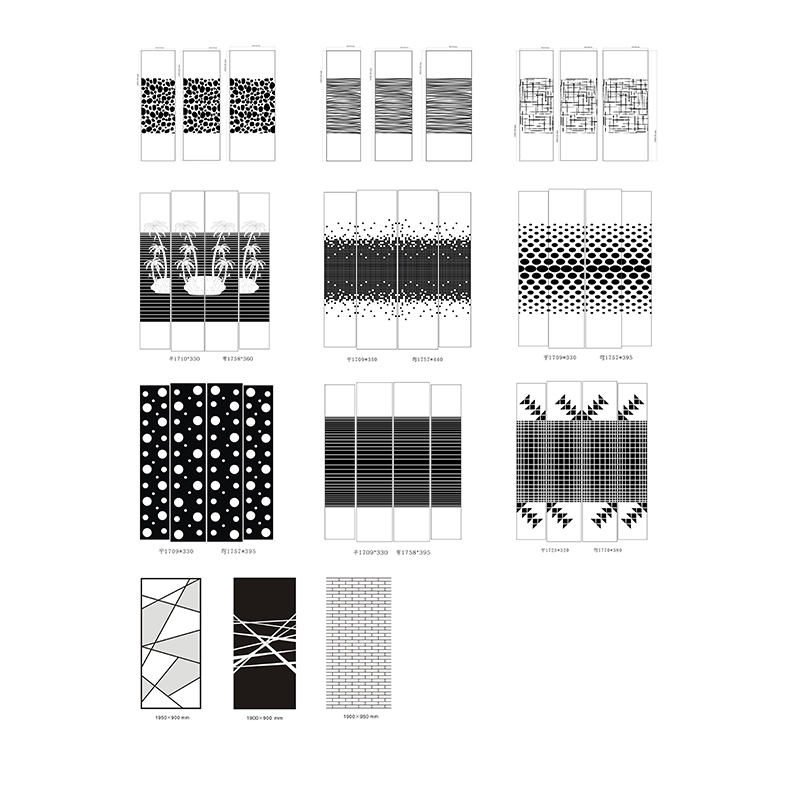
Patterned glass, such as fluted, nashiji, or water-textured patterns, bridges the gap between openness and privacy. The vertical ridges of fluted glass distort the image behind the panel while admitting light, creating a decorative line that suits modern interiors. Nashiji glass uses a soft pebbled texture that reduces visibility without looking opaque. These patterns are easy to integrate into residential bathrooms, hotel guest suites, and commercial changing areas. For a guest room that feels open but still private, a semi-transparent pattern often works better than an opaque panel.
Enclosure Types: Sliding Doors, Walk-In Screens, and Custom Configurations
The enclosure style determines the size of the glass panels and the type of hardware you need. In tight spaces, a sliding door enclosure saves space because the door does not swing outward. Diamond-shaped sliding doors fit corner installations neatly and are popular in compact bathrooms, while round and square enclosures serve different structural layouts. Walk-in screens with fixed panels create a barrier-free entrance and have become the standard choice in high-end hotel bathrooms.
diamond sliding door double door shower enclosures combine a space-saving opening mechanism with a large glass area. The double-door setup widens the entry without letting the panels collide with other fixtures. For hotel projects that repeat the same shower room hundreds of times, selecting a proven enclosure geometry reduces installation time, part complexity, and future maintenance costs. For compact bathrooms, 6mm glass is usually enough for sliding doors; for large walk-in panels, 8mm is recommended.
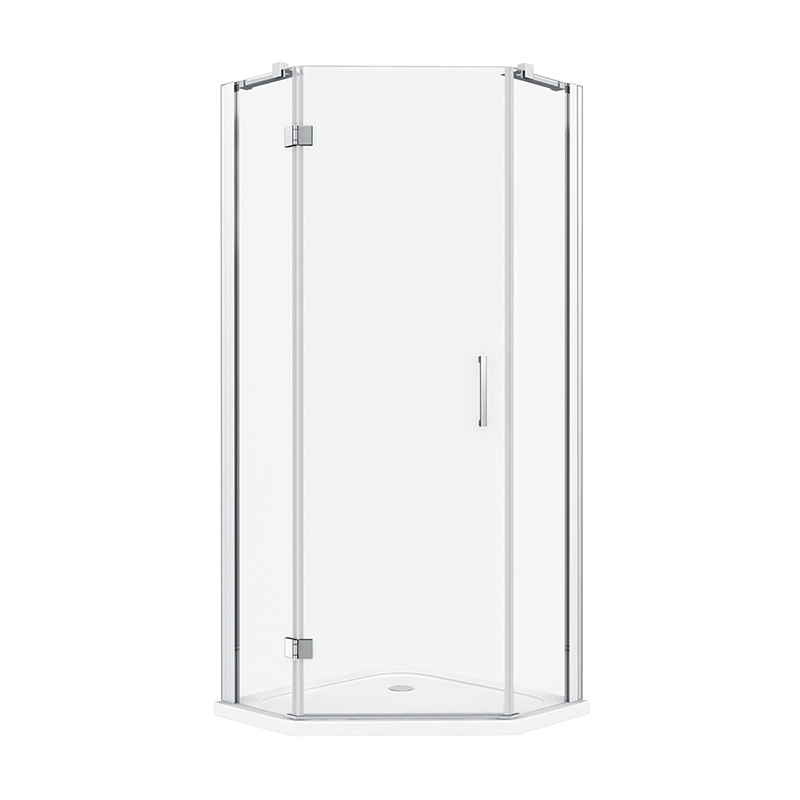 Diamond-Shaped Sliding Double Door Shower EnclosureThe diamond design with sliding double doors saves space and provides flexible entry. Its open, roofless structure keeps bathrooms airy and easy to clean, while the robust build suits both residential and hotel installations.View Product →
Details That Affect Long-Term Performance: Hardware, Coatings, and Maintenance
Safety and durability extend beyond the glass panel. Support rods, hinges, handles, and rollers operate in a permanently wet environment, so corrosion resistance is critical. Stainless steel grade 304 is the standard baseline for shower room accessories because it offers excellent corrosion resistance at a practical price. A black electroplated finish on stainless steel hinges not only looks modern but also adds an extra protective layer against tarnishing and chlorine damage.
Surface coatings can reduce cleaning effort dramatically. Easy-to-clean coatings repel water and soap residue, which keeps the glass presentable between cleaning intervals. Anti-UV films protect tinted glass from fading and can reduce heat buildup in rooms with strong sunlight. For high-traffic facilities or areas where vandalism is a concern, an explosion-proof film keeps fragmented glass in place if a panel is struck hard enough to break. Modern shower room design and technology now frequently combine these coatings with the glass specification itself, so it is worth asking your supplier about available options early in the project.
What to Verify Before Ordering Shower Room Glass
Before you commit to a supplier, verify three things: certifications, factory capability, and customization flexibility. Certifications are non-negotiable. For safety glass sold in China, the 3C mark is required; for export to Europe, the CE mark is the baseline. An independent SGS test report is a strong secondary confirmation of dimensions and physical strength. A factory with in-house glass processing lines is better positioned to handle precise cuts, edge polishing, and drilling for hardware.
Customization also matters more than many buyers expect. Shower rooms rarely share exact dimensions, particularly in existing buildings or hotels. You should confirm that the supplier can cut, edge, drill, and temper to specific measurements and provide matching hardware such as retractable support rods, hinges, and handles. The following checklist is useful for any buyer:
- Confirm glass thickness based on panel width and whether it is a fixed screen or a moving door.
- Request safety certificates, including 3C and CE marks, plus SGS test reports for the relevant thicknesses.
- Ask about edge polish, cutouts for handles or brackets, and the maximum panel size the factory can process.
- Review the hardware material: 304 stainless steel is the preferred grade for wet environments.
- Check lead times and shipping options, especially for export orders.
Designing a functional walk-in shower in advance helps you communicate exact panel dimensions, verify that the chosen thickness is adequate, and reduce the risk of rework. A reliable supplier will provide clear technical drawings or specification sheets before production starts.
In short, a durable shower room starts with safety-tempered glass of the correct thickness, followed by a glass type that fits the privacy, brightness, and maintenance needs of the space. The enclosure style and hardware should be selected together with the glass so that the entire assembly functions as one integrated system. Working with a manufacturer that controls both glass processing and hardware supply gives you fewer touchpoints, more consistent quality, and a better chance of completing the project without surprises.