

 中文简体
中文简体Walk-in showers are the most practical, inclusive, and long-lasting bathroom renovation option for modern residential spaces, outperforming traditional enclosed showers and bathtubs in accessibility, space utilization, aesthetic versatility, and daily maintainability. Suitable for all age groups and most bathroom sizes, they can adapt to minimalist, luxury, and casual home decoration styles, while effectively improving bathroom safety and ventilation conditions. With reasonable design and standard installation, a walk-in shower can maintain stable performance for decades and reduce long-term bathroom renovation costs.
Fundamental Definition and Core Characteristics of Walk-In Showers
A walk-in shower, also known as a curbless shower, is a barrier-free shower space that cancels the high threshold of traditional shower areas. Different from conventional shower enclosures with raised edges or bathtub combinations, it features a fully flat floor transition between the shower zone and the rest of the bathroom, allowing users to walk directly into the bathing area without stepping over any obstacles. This structural difference is the core reason why it has become a mainstream bathroom design in recent years.
The core characteristics of walk-in showers can be summarized into three key points: barrier-free access, open spatial layout, and integrated waterproof structure. More than 80% of modern home bathroom renovations choose walk-in showers mainly for their zero-barrier design and high space adaptability, according to residential interior design industry statistics. Unlike fixed traditional shower spaces, walk-in showers have no rigid restrictions on shape and size, and can be customized according to irregular bathroom layouts, including narrow strip bathrooms, corner spaces, and large open bathrooms.
In terms of structural design, qualified walk-in showers adopt a hidden sloped drainage structure. The floor is slightly inclined toward the drain outlet, which ensures rapid water discharge without water accumulation on the floor. The overall waterproof layer is integrated and extended to the surrounding wall bottoms, solving the common water seepage problem of traditional shower facilities. This inherent structural advantage makes it more durable and practical than traditional shower forms.
Key Advantages of Walk-In Showers Compared with Traditional Shower Facilities
Walk-in showers have comprehensive advantages in safety, usability, aesthetics and economy compared with traditional bathtub showers and threshold showers. The following detailed comparison and analysis can clearly reflect its application value in home bathrooms.
Superior Safety Performance
Safety is the most prominent advantage of walk-in showers. Traditional shower thresholds and bathtub edges are the main hidden dangers of bathroom falls, especially for the elderly, children, and users with limited mobility. The fully flat design of walk-in showers completely eliminates the risk of tripping over raised edges. Data shows that installing a walk-in shower can reduce bathroom fall accidents by nearly 75% in family households, which is extremely important for families with multiple age groups.
In addition, the open structure of walk-in showers avoids the problem of poor air circulation in closed shower rooms. Closed showers are prone to excessive water vapor accumulation, which leads to slippery ground and blurred vision during bathing, while walk-in showers maintain good air convection, reducing hidden dangers caused by high humidity and stuffiness.
Excellent Space Utilization
Traditional bathtubs occupy a large fixed space, and most of the area is idle in daily use, resulting in serious waste of bathroom space. Ordinary closed shower rooms also need to reserve fixed opening and closing space for doors, which limits the flexible use of the bathroom. Walk-in showers break these limitations perfectly.
For small and medium-sized bathrooms, walk-in showers can maximize the use of corner and marginal spaces without occupying extra moving areas. For large bathrooms, it can coordinate with other bathroom facilities to form a layered and orderly space layout. On average, walk-in showers improve bathroom space utilization by 30% compared with traditional bathtub shower combinations, making the bathroom more open and uncramped.
Convenient Daily Cleaning and Maintenance
Closed shower rooms have more dead corners such as door gaps, threshold grooves and glass gaps, which are easy to accumulate scale, mold and dirt, and are difficult to clean. The open structure of walk-in showers has almost no cleaning dead corners. The flat ground and smooth wall surface can be cleaned quickly with simple flushing and wiping.
Moreover, the integrated waterproof and anti-corrosion materials commonly used in walk-in showers have strong stain resistance and aging resistance, which can effectively resist the erosion of water vapor and detergent, reducing the frequency of daily maintenance and replacement costs.
Practical Design Principles and Essential Functional Features of Walk-In Showers
A high-quality walk-in shower is not simply a barrier-free open space, but needs to follow scientific design principles and match practical functional accessories to balance aesthetics, comfort and practicability. Blind pursuit of openness without functional design will lead to problems such as water splashing and poor bathing experience.
Core Design Principles
- Sloped drainage priority: The shower floor must be designed with a reasonable gradient toward the drain outlet to ensure that all sewage can be discharged quickly without residual water, avoiding ground humidity and mold growth.
- Reasonable space partitioning: Use invisible boundary design or simple glass baffles to separate the shower area from the dry area of the bathroom, preventing a large amount of water from splashing to the vanity and toilet area while maintaining an open visual effect.
- Material anti-slip and waterproof: The floor and wall materials of the shower area must have professional anti-slip and high waterproof performance to adapt to long-term high humidity and water flushing environment.
Essential Functional Accessories
Reasonable accessory configuration can greatly improve the practicality of walk-in showers. The following accessories are recognized as essential configurations in mainstream home decoration design:
- Anti-slip floor treatment: Professional anti-slip texture or anti-slip mat laying to further improve foot friction and prevent slipping during bathing.
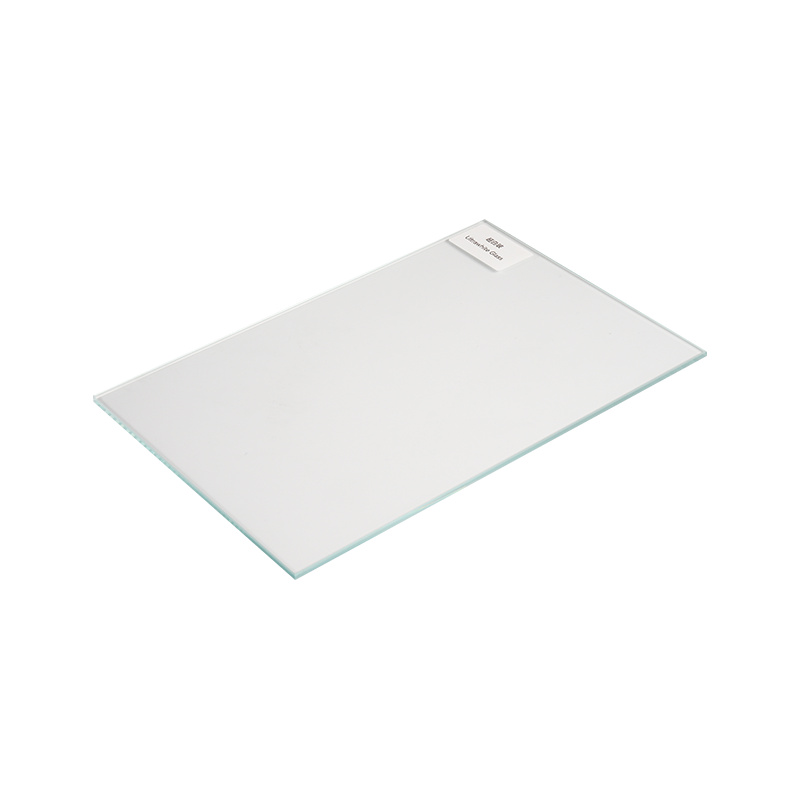
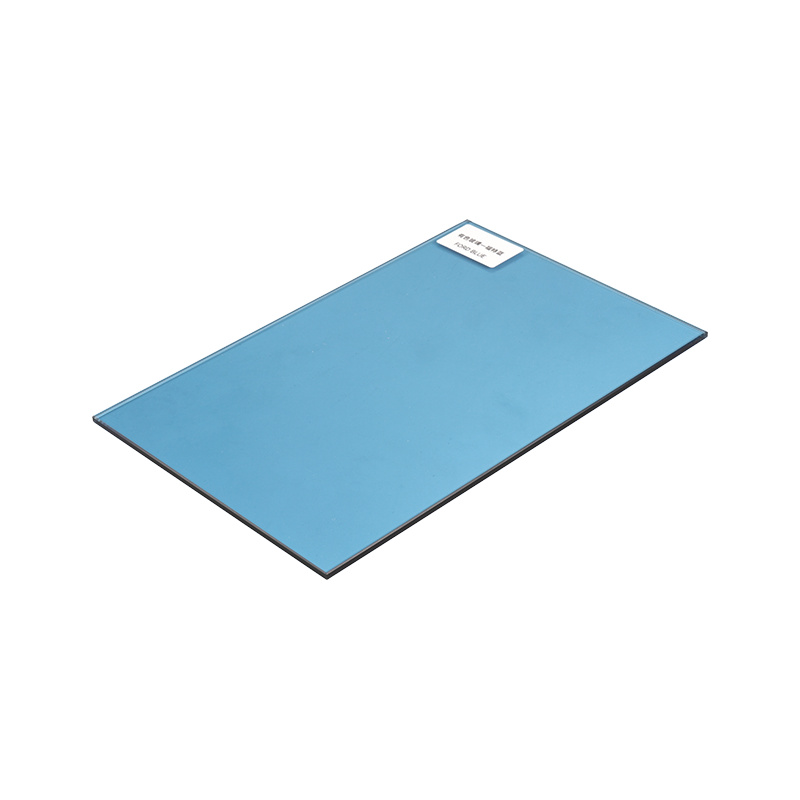
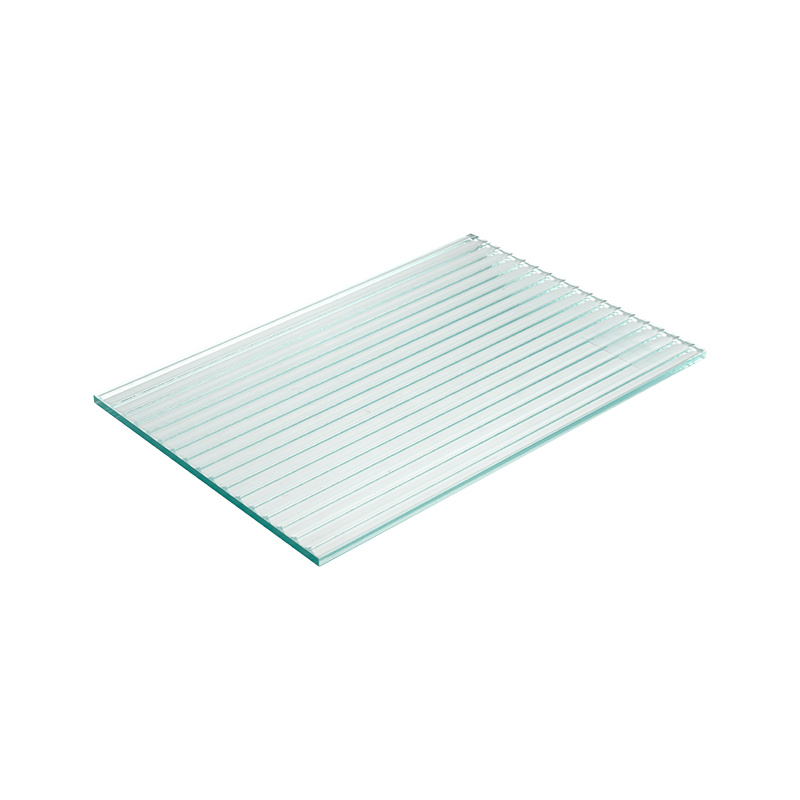
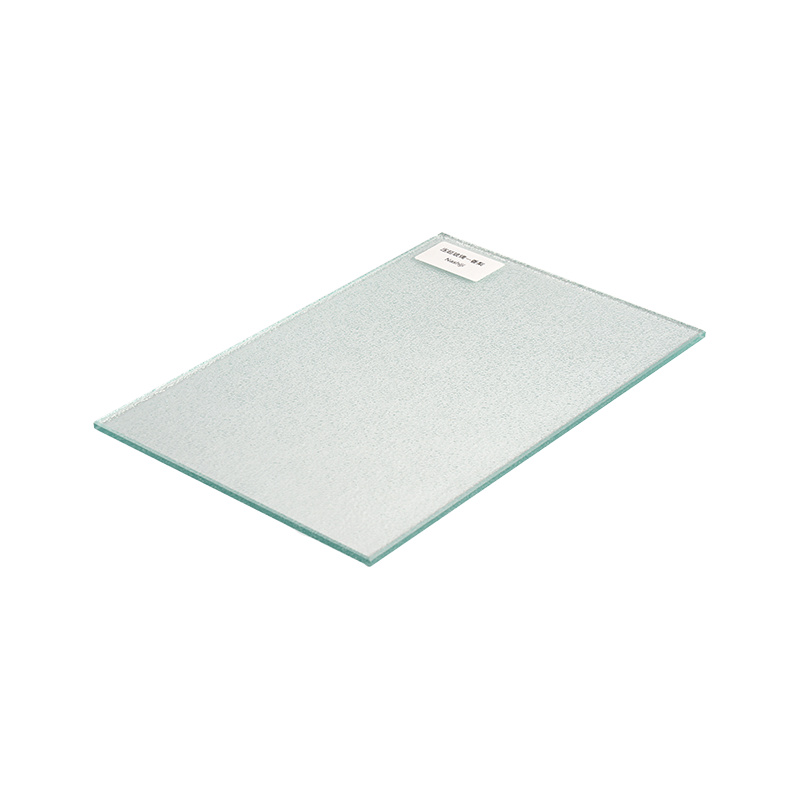
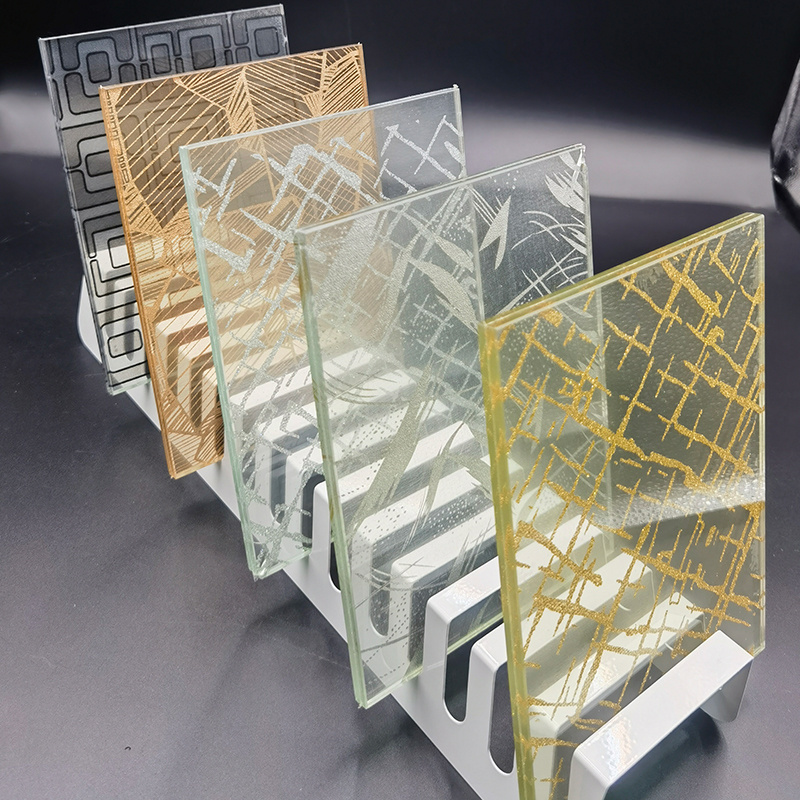
- Fixed glass baffle: A lightweight transparent glass baffle is installed on the outer side of the shower area to block splashing water without blocking light and space.
- Handheld shower and fixed shower dual configuration: Adapt to different bathing postures and user groups, improving bathing comfort.
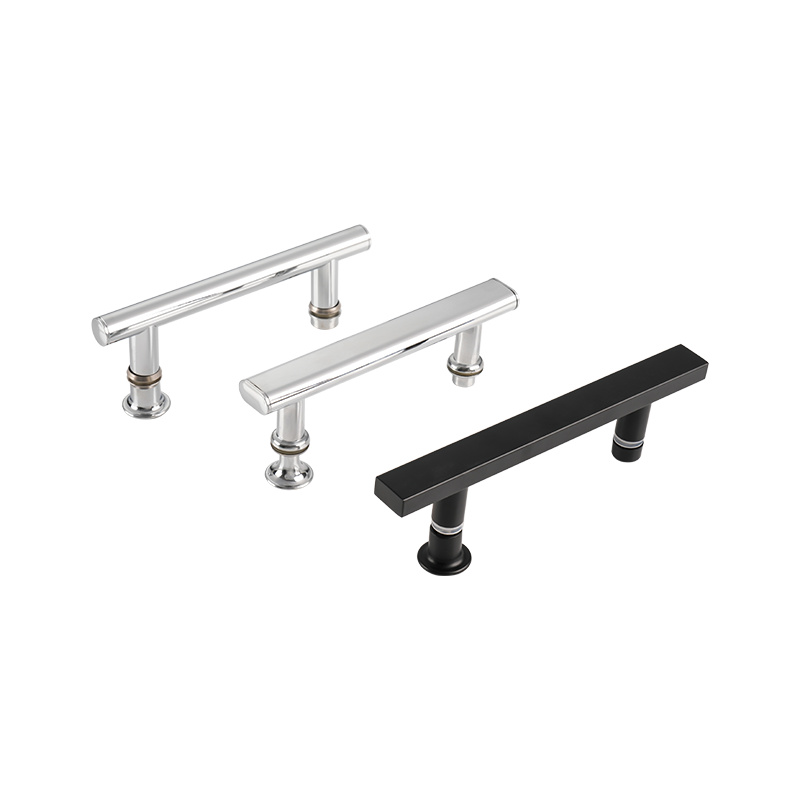
- Auxiliary handrails: Installed on the wall of the shower area to provide support for the elderly, pregnant women and children, further improving safety.
Walk-In Shower Style Classification and Applicable Scenarios
Walk-in showers have strong stylistic inclusiveness and can be perfectly integrated with various home decoration styles. According to different design forms and scene matching, they can be divided into three mainstream types, each with unique applicable crowds and space characteristics.
| Shower Style | Design Features | Applicable Scenarios |
|---|---|---|
| Minimalist Open Style | No redundant baffles, fully open space, simple and smooth lines | Small bathrooms, modern minimalist style home decoration |
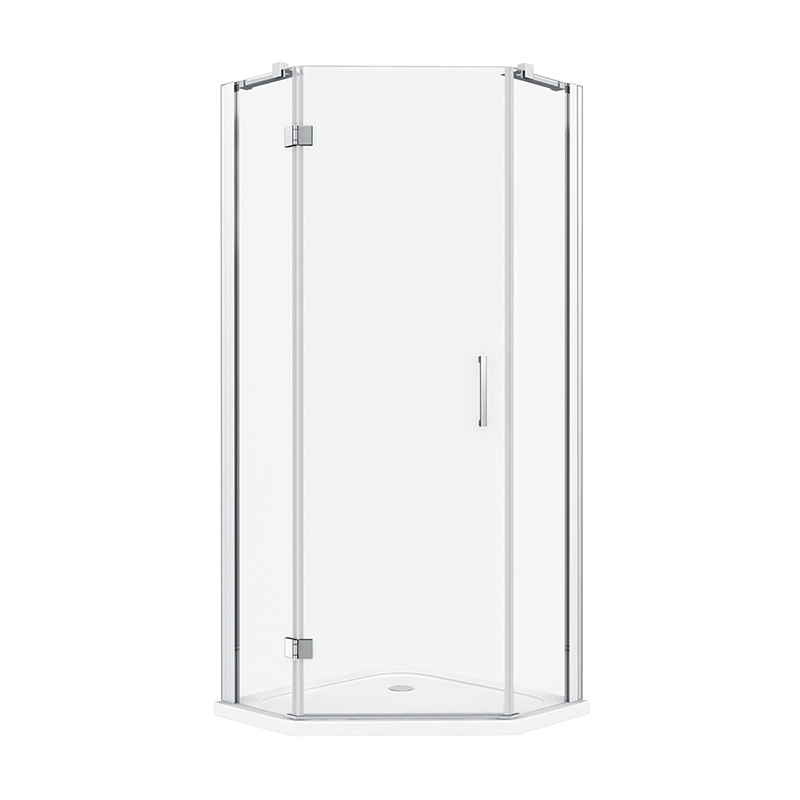
| Semi-enclosed Glass Style | Equipped with fixed glass baffles, balanced open and waterproof effect | Medium-sized bathrooms, most conventional home styles |
| Custom Corner Style | Adapt to corner irregular spaces, customized shape and size | Irregular bathrooms, large personalized customized spaces |
Among them, the semi-enclosed glass walk-in shower is the most popular type in family decoration, accounting for more than 65% of walk-in shower renovation cases, because it solves the water splashing problem of fully open styles while retaining the advantages of open space and good light transmission.
Daily Maintenance and Common Problem Solutions for Walk-In Showers
Although walk-in showers have low maintenance difficulty, correct daily maintenance can effectively extend their service life and keep the bathroom clean and hygienic. Most common problems in use are caused by improper daily care or non-standard installation.
Daily Maintenance Guidelines
- Daily cleaning: After each bathing, simply flush the shower area with clean water and wipe the wall and floor surface to reduce scale and soap residue accumulation.
- Regular dehumidification: Keep bathroom ventilation open for more than 30 minutes every day to avoid long-term high humidity leading to wall mold and material aging.
- Drainage inspection: Check the drain outlet regularly to remove hair and debris blockage, ensuring smooth drainage and no water accumulation.
- Accessory maintenance: Regularly check the firmness of handrails and glass baffles, and replace aging sealing parts in time.
Solutions to Common Problems
The most common problems of walk-in showers in use include slight water splashing, local scale accumulation and slow drainage. For water splashing, it can be solved by adjusting the height of the glass baffle and optimizing the water outlet angle of the shower. For scale accumulation, neutral cleaning agents can be used for regular cleaning to avoid corrosion of wall and floor materials by strong acid and alkali products. For slow drainage, it is mostly caused by debris blockage, and regular dredging can completely solve it.
With standardized installation and scientific maintenance, the service life of a walk-in shower can reach more than 20 years, which is far longer than that of traditional bathtub shower combinations, bringing long-term cost savings and use convenience to families.
Suitable Crowds and Application Scenarios of Walk-In Showers
Walk-in showers are highly inclusive and suitable for almost all family groups and residential scenarios, and have outstanding targeted advantages for specific crowds and spaces.
For families with the elderly and children, the barrier-free design completely avoids fall risks, and the open space is convenient for caregivers to assist in bathing, which is the most friendly bathing solution for vulnerable groups. For young families pursuing simple and high-quality life, its fashionable and lightweight design can improve the overall grade of the bathroom and create a comfortable bathing environment.
In terms of space scenarios, it is not only suitable for ordinary family apartments, but also very suitable for villas, boutique apartments and renovated old houses. Especially for old house bathroom renovations with small space and irregular structure, walk-in showers can make up for the structural defects of traditional bathrooms and maximize the use of limited space. More than 90% of old house bathroom renovation projects choose walk-in showers as the core bathing area transformation scheme due to its strong adaptability and high cost performance.