

 中文简体
中文简体Tempered glass is the safest and most economical choice for shower screens, building doors, furniture panels, and appliance covers. It is about five times stronger than annealed glass and, when it breaks, it crumbles into small blunt granules instead of sharp shards. That is why safety codes require it in most locations where glass is near people. The real challenge for a buyer is not choosing between tempered and ordinary glass, but specifying the right thickness, edge quality, and certification for the job while confirming that the manufacturer can actually deliver it. A failed shower screen or a distorted furniture panel is almost always a symptom of a specification that did not match the application, so this guide explains the material, the production process, and the purchase criteria that matter in practice.
What Is Tempered Glass?
Tempered glass, also known as toughened glass, is a type of safety glass that has been heat-treated to increase its strength compared with annealed glass. The pane is heated to roughly 620-650 degrees Celsius and then rapidly quenched with air jets. That thermal shock creates a permanent state of compressive stress on the surface and balanced tension in the interior, which is what gives tempered glass its resistance to impact and thermal movement.
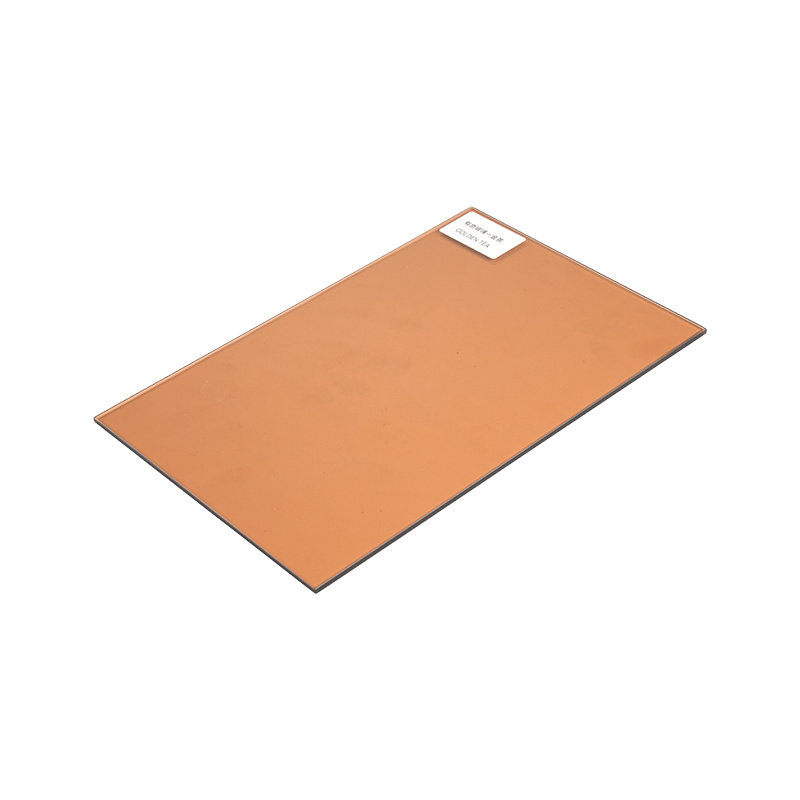
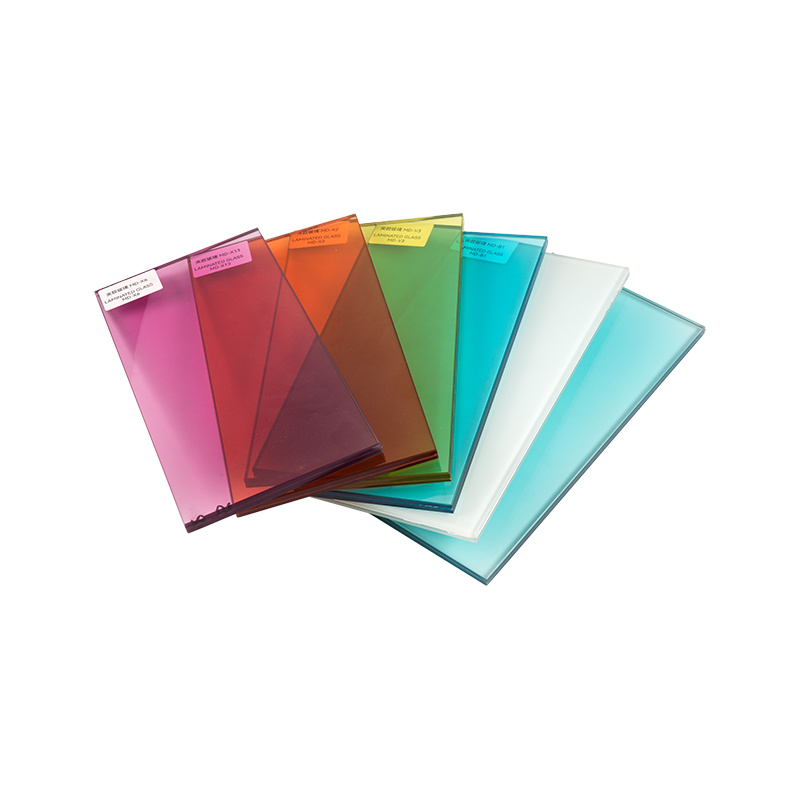
The tempering process does not change the glass material itself, but it changes how the pane behaves under force. When it does break, the stored energy tears the pane into many small, relatively harmless pieces instead of producing long, razor-sharp fragments. A supplier that can show a stable tempering process and consistent stress values will usually deliver glass that complies with safety standards. If you are comparing options, the material choices can be narrowed down through our tempered glass products range, which includes clear, tinted, patterned, and wired laminated glass.
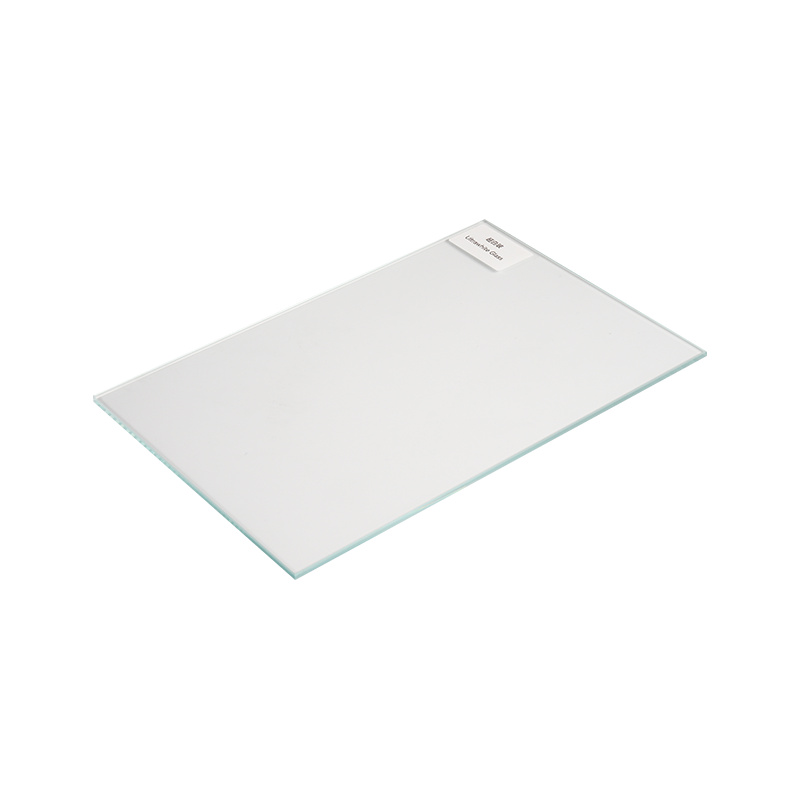 Tempered Glass with Enhanced Impact Resistance for Safety-Critical ApplicationsThis tempered glass is 3-6 times stronger than ordinary glass and shatters into small granules, reducing injury risk. It withstands temperature changes up to 300°C, making it a reliable choice for consistent stress values.View Product →
How Tempered Glass Is Made and How It Differs
Tempered glass production follows a controlled sequence. Before the glass enters the furnace, all cutting, drilling, and edge processing must be complete. The pane is then heated, quenched, and allowed to cool through a carefully monitored cycle. Because the stress state is locked in during the fast cooling, any attempt to cut, drill, or grind a tempered pane after the fact will shatter it. This means the dimensional precision achieved before tempering is not an optional quality point, but the defining factor in the final product.
To get a more detailed view of the factory sequence, you can read the production steps of tempered glass in our company news section.
How Tempered Glass Compares to Other Options
The differences between the main glass types affect the way you specify them, so a quick comparison is useful.
| Glass Type | Relative Strength | Break Pattern | Key Limitation |
|---|---|---|---|
| Annealed glass | 1x reference | Long, sharp shards | No safety rating, easy to cut |
| Tempered glass | About 5x annealed | Small blunt granules | Cannot be cut or drilled after tempering |
| Laminated glass | Varies with interlayer | Cracks but stays bonded | Heavier and more expensive to fabricate |
The important takeaway for procurement is not which glass is stronger in a lab test, but which behavior fits the application. Tempered glass is preferred when the panel is exposed to impact, thermal swings, or wet conditions. Laminated glass is preferred when the panel must remain intact to act as a barrier.
Properties That Affect Real Projects
Beyond the strength rating, a few properties should be part of every purchase decision. These are not just technical details. They translate directly into installation problems, warranty claims, or a finished look that matches the design intent.
- Impact resistance: Tempered glass resists localised impact about five times better than annealed glass, which allows thinner panels in many cases.
- Thermal stability: Full tempered glass can generally tolerate temperature differentials of about 200-250 degrees Celsius, making it suitable for kitchen surfaces, appliance fronts, and south-facing partitions.
- Edge condition: The edge is the weakest zone of a tempered pane. Scratches, chips, or visible flaws at the edge can cause breakage during handling, transport, or after installation.
- Optical quality and flatness: For shower doors and furniture panels, visual distortion is a real complaint. Standards such as EN 12150 in Europe and GB 15763.2 in China define acceptable bow, warp, and optical defects.
- Spontaneous breakage risk: Nickel sulfide inclusions can cause a small share of tempered panes to break without external impact. Heat soak testing reduces this risk and is advisable for balconies, skylights, and public areas.
Typical Applications for Tempered Glass
Shower Rooms and Bathrooms
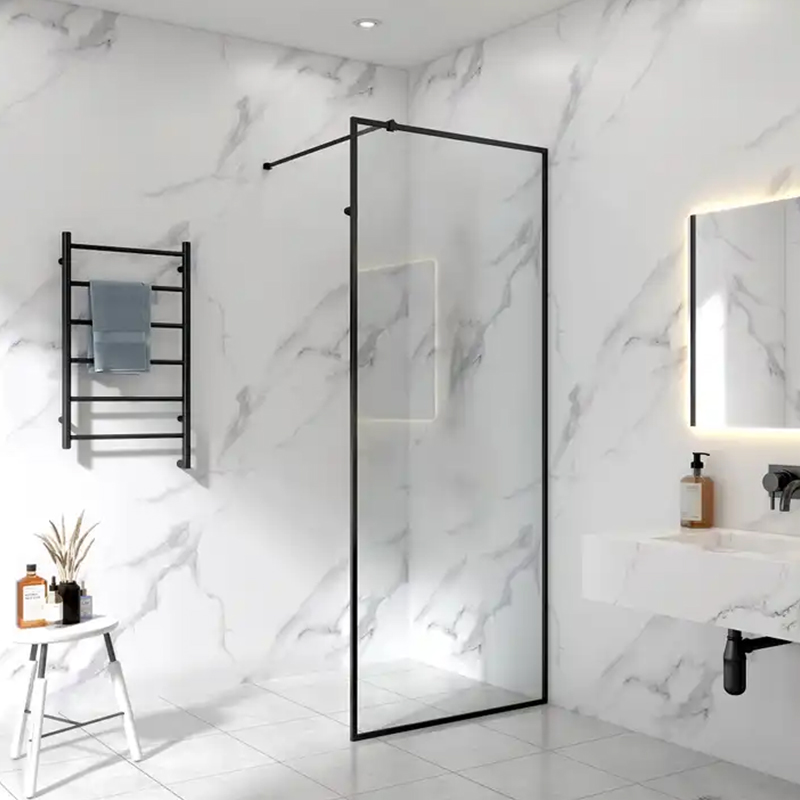
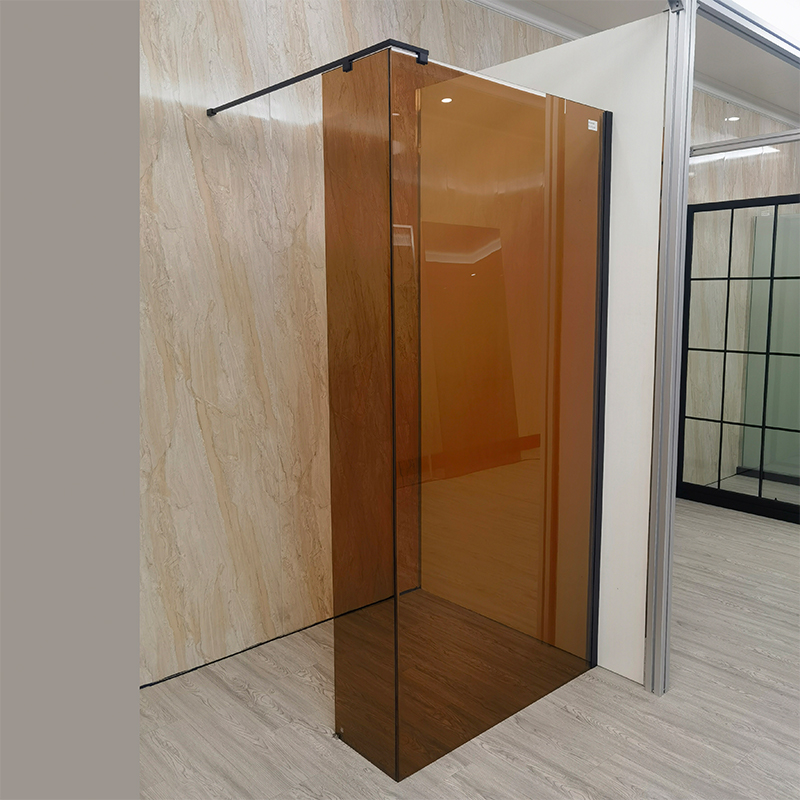
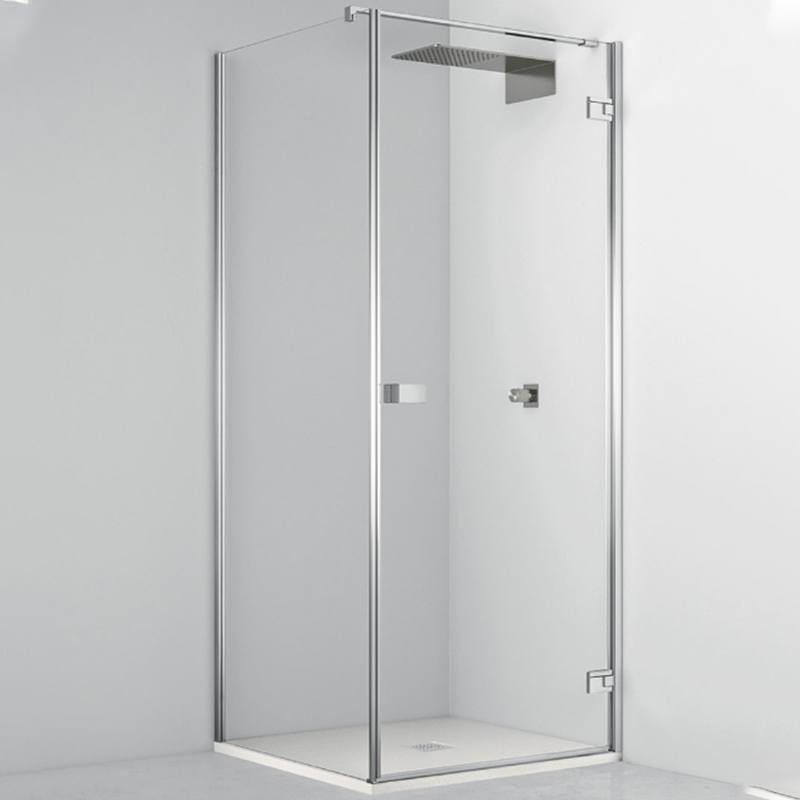
This is the most common use category for the glass type. Shower screens, shower doors, and enclosures are almost always made of 5mm to 8mm tempered glass, often in a clear or patterned finish. The wet environment is exactly where the safety properties matter, because a failure in a shower door is likely to happen near a person. For wet-and-dry separation in modern bathrooms, our transparent tempered shower room glass is a straightforward specification choice.
Transparent Tempered Glass for Shower Rooms and Wet EnvironmentsIdeal for shower screens and doors, this clear tempered glass offers high hardness and temperature resistance, ensuring safety in wet areas while providing a bright, spacious look.View Product →
Buildings, Balustrades, and Partitions
Tempered glass is specified in building regulations wherever a person could fall against or impact a glass panel. Facade spandrels, glass railings, stair balustrades, and floor-to-ceiling partitions are common examples. The glass can be further coated or laminated to meet energy and sound requirements.
Furniture and Appliances
Tabletops, cabinet doors, glass shelves, and appliance control panels use tempered glass because the surface resists scratches and cleans easily. The glass can be tinted or coated to match the surrounding design.
Decorative Panels
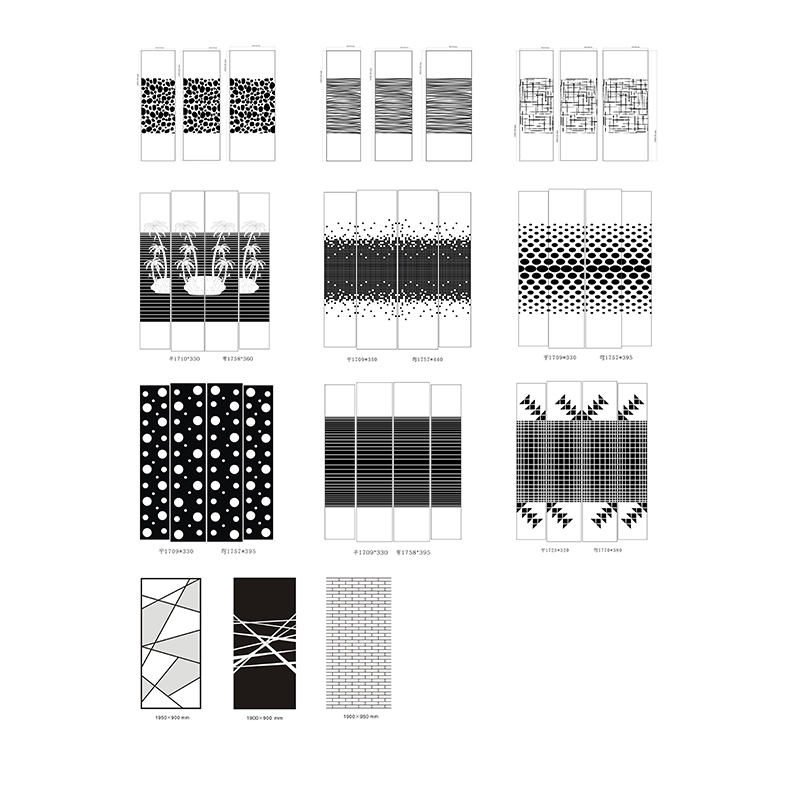
Patterned and textured tempered glass adds a decorative dimension while keeping the safety rating. For example, nashiji embossed decorative glass provides a soft, frosted appearance that improves privacy without blocking light. This type of glass is popular in bathroom partitions and cabinet fronts.
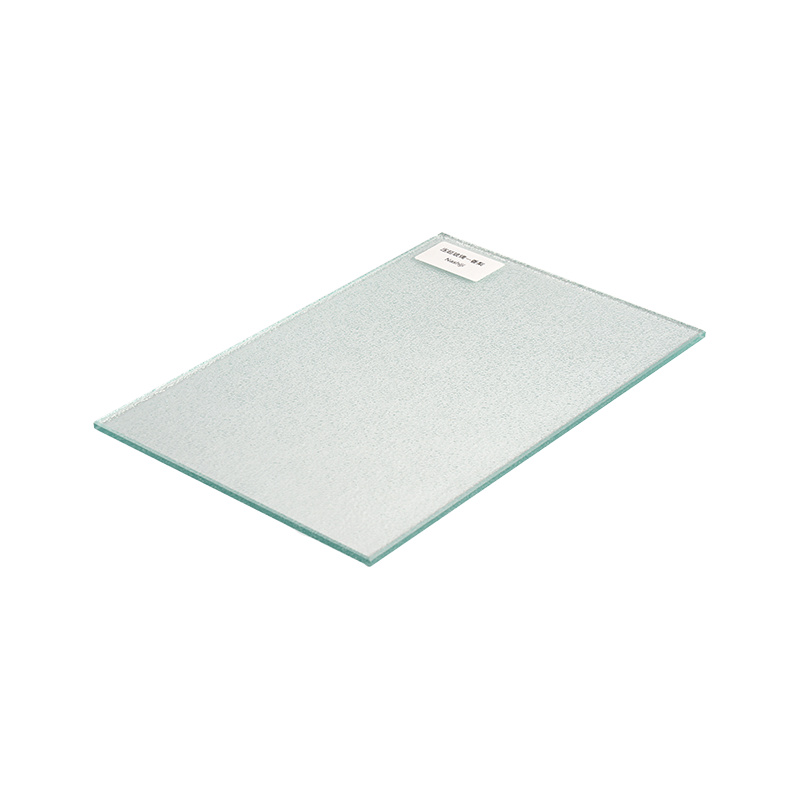 Nashiji Embossed Patterned Glass for Decorative and Privacy NeedsThis rolled glass features a pear-like texture that diffuses light, adding warmth and privacy. Durable and waterproof, it suits partitions and shower areas, enhancing both style and function.View Product →
How to Choose the Right Thickness
The correct thickness depends on the panel dimensions and the weight it needs to support. As a general guide for tempered glass panels:
- 4mm and 5mm: cabinet doors, small appliance fronts, interior glass shelves.
- 6mm: standard shower screens and enclosure panels up to about 1 meter in width.
- 8mm: large frameless shower doors and taller interior partitions.
- 10mm and above: heavy doors, storefront glazing, and structural projects.
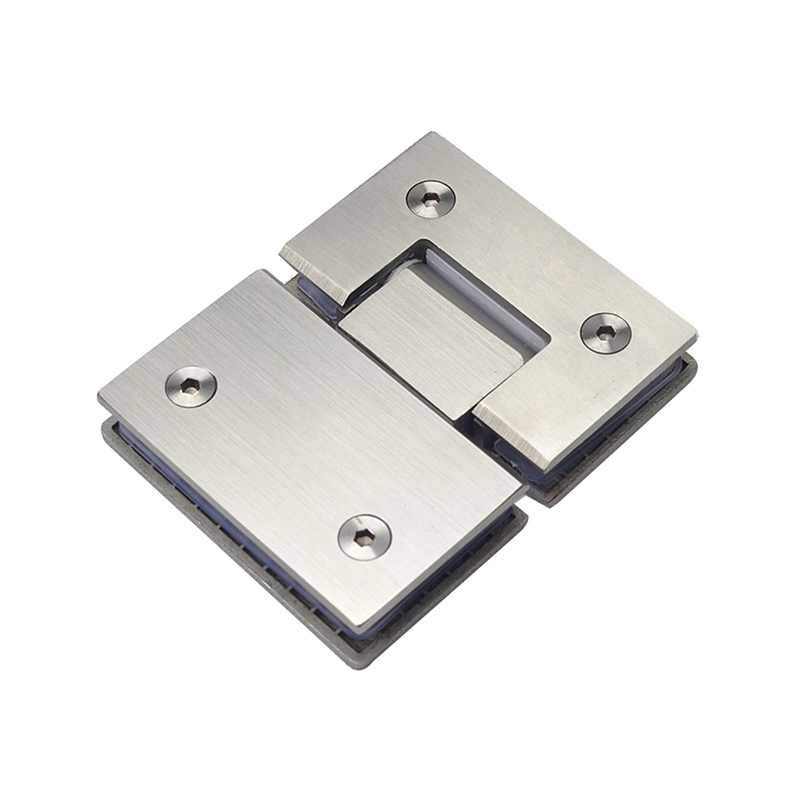
A wider panel needs more thickness for the same safety margin. If a door is 900mm wide, 8mm gauge with edge polishing and proper hardware is typically the safe minimum for frameless constructions.
What to Check Before Buying Tempered Glass
Comparing supplier quotes is not only about price. These are the points that have the largest impact on the final result.
- Certification scope: For the Chinese market, the 3C mark is mandatory. For the European market, CE marking to the relevant standard applies. SGS test reports should cover the thickness range you are buying, not just one representative sample.
- Fabrication capability: A supplier that cuts, drills, and edges glass in-house will deliver better dimensional accuracy than one that outsources these steps, because each additional handling step creates risk.
- Production capacity and lead time: Confirm that the available furnace capacity and production schedule can handle your order without compressing the quality cycle.
- Packing for export: Tempered glass is heavy and brittle. Wooden crates, foam padding, and edge protection are baseline requirements, and the packing method matters as much as the glass itself.
- Consistency of quality control: Ask about flotation bath controls, roller marks, and how defects such as stones and bubbles are sifted during inspection. Written acceptance criteria prevent disputes during the final checkout.
A Note on Supplier Experience
A manufacturer with documented production history is easier to trust. Our own facility in Zhejiang, China, has been processing glass for more than seventeen years, occupying 20,000 square meters and producing around 50,000 tons of tempered glass per year. We hold the 3C certification required for the Chinese market, CE certification for Europe, and SGS test reports for glass thicknesses from 4mm to 8mm. Being located near the ports of Shanghai and Ningbo means export orders can be planned with predictable lead times. These credentials matter because they are verifiable. You can check the certification scope, request the actual test reports, and confirm the factory audit trail before placing an order.
Getting tempered glass right is a matter of matching the material to the application and confirming that the specification is backed by real production discipline. Start with the panel size and use environment, choose the thickness that leaves a safety margin, verify the certification documents, and work with a supplier that keeps the critical fabrication steps under one roof. When those basics are in place, tempered glass delivers the strength, durability, and visual quality that modern projects need.