

 中文简体
中文简体Selecting the right shower screen fundamentally depends on your bathroom's spatial dimensions, plumbing layout, and personal aesthetic preferences. A well-chosen enclosure not only contains water effectively but also enhances the visual openness of the room. Investing in a high-quality glass screen with appropriate thickness and protective coating is the most effective way to ensure durability and minimize maintenance. Prioritizing structural integrity over purely decorative elements will yield the best long-term results for any bathroom renovation project.
Understanding Shower Screen Configurations
The market offers several primary configurations, each designed to address specific bathroom layouts and user needs. Understanding the mechanical differences between these options is crucial before making a purchasing decision.
Hinged and Pivot Enclosures
Hinged shower screens operate similarly to standard doors, swinging outward on a vertical axis. They provide a wide opening, making them highly accessible. However, they require ample clearance space in front of the showering area. Pivot screens function on a centrally placed mechanism, reducing the outward swing radius slightly while maintaining excellent accessibility.
Sliding Mechanisms
For compact bathrooms where floor space is at a premium, sliding screens are the optimal choice. The panels glide horizontally along tracks, meaning no external clearance is required. This configuration maximizes usable bathroom space while providing a sleek, modern appearance.
Folding and Fixed Panels
Folding screens, also known as bi-fold screens, accordion inward. They combine the space-saving benefits of sliding doors with the wide access of hinged doors. Fixed panel screens, conversely, are stationary glass barriers typically used in walk-in wet rooms. They offer a minimalist aesthetic and require no moving hardware, reducing potential maintenance points.
Primary Factors for Selecting a Shower Screen
Beyond the opening mechanism, several structural and aesthetic factors must be evaluated to ensure the screen fits seamlessly into the architectural reality of the bathroom.
Space Utilization and Layout
Accurate measurement is the foundation of a successful installation. You must measure the width of the opening at both the top and bottom, as walls are rarely perfectly plumb. Furthermore, consider the location of existing fixtures like vanities and toilets. A hinged door that strikes a nearby vanity is a common installation failure that can result in broken glass or damaged cabinetry.
Glass Thickness and Safety Standards
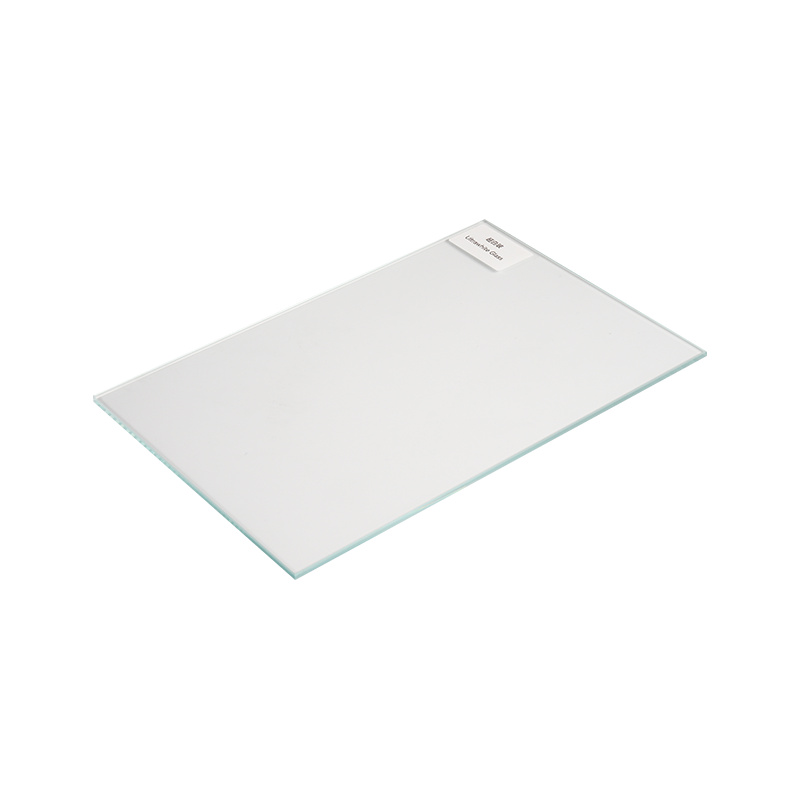
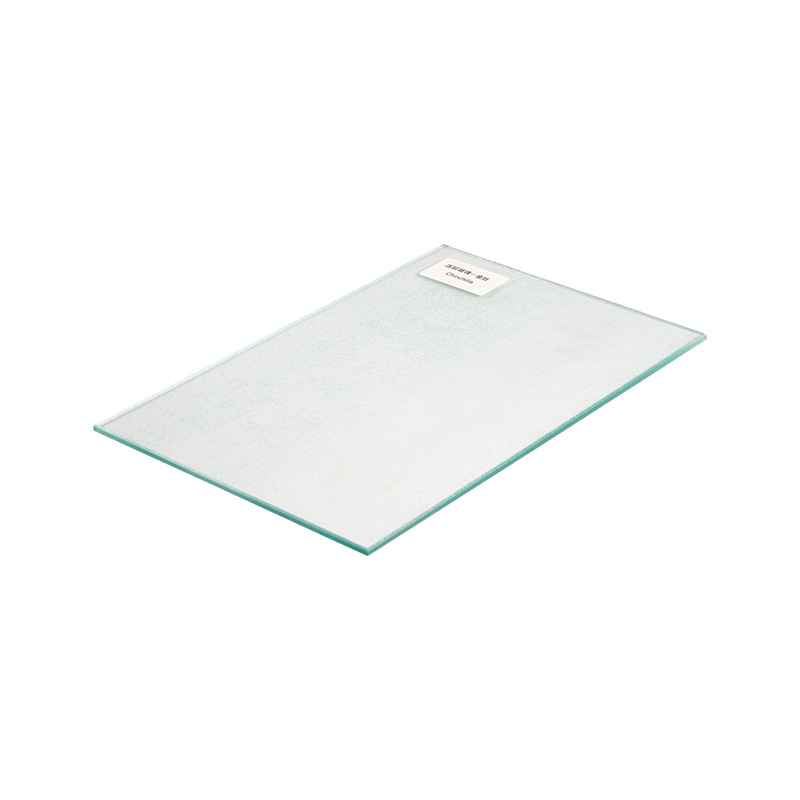
The thickness of the glass directly correlates to its structural stability and acoustic properties. Standard glass thicknesses range from 6mm to 10mm. For frameless designs, a minimum thickness of 10mm is strongly recommended to prevent excessive flexing and ensure rigid support. All glass used in showering environments must be tempered, meaning it shatters into small, blunt fragments rather than sharp shards upon impact, drastically reducing the risk of injury.
Material and Coating Comparison
The type of glass and any applied coatings significantly impact the longevity and cleaning requirements of the shower screen. Modern glass treatments can alter the surface tension of the glass, causing water to bead and roll off rather than drying into stubborn mineral deposits.
| Feature | Standard Tempered Glass | Nanocoated Glass |
|---|---|---|
| Water Repellency | Moderate | High |
| Limescale Resistance | Low | High |
| Maintenance Frequency | Weekly scrubbing | Monthly wiping |
| Visual Clarity | Standard | Enhanced |
Structural Installation and Waterproofing
The physical installation of a shower screen requires precision to ensure both watertight performance and user safety. An improperly installed screen can leak, causing subfloor damage and mold growth. The process generally follows a strict sequence to guarantee structural integrity.
- Verify that the shower tray or tiled floor is perfectly level. Uneven surfaces will cause the glass to sit at an angle, preventing proper door alignment and stressing the hardware.
- Secure the wall channels using appropriate anchors for the specific wall material, whether it is drywall, tile, or masonry.
- Lift the glass panels into place. Due to the weight of the material, this step requires at least two individuals to safely maneuver the panels without risking injury or glass fracture.
- Apply a continuous bead of waterproof silicone sealant along the inside edge where the frame meets the wall and floor.
- Install the moving door panels and adjust the hinges or rollers to ensure a perfect vertical drop and a flush seal against the fixed panel or magnetic closures.
Proper waterproofing is the most critical aspect of the installation. Never rely solely on mechanical fasteners to prevent water escape; the silicone seal is the primary barrier against moisture penetrating the bathroom substructure. Allow the sealant to cure fully, typically up to 24 hours, before running water in the enclosure.
Maintenance Strategies for Longevity
Preserving the pristine appearance of a shower screen requires a consistent maintenance routine. Hard water deposits and soap scum are the primary culprits behind cloudy, unattractive glass.
To maintain clarity, it is essential to squeegee the glass after every single use. This physical removal of water prevents minerals from drying onto the surface. For deeper cleaning, avoid abrasive powders or scouring pads, as these will scratch the glass and damage any protective coatings. Instead, utilize a mixture of white vinegar and warm water, applied with a soft microfiber cloth. The mild acidity dissolves calcium buildup without degrading the silicone seals or metal hardware. Additionally, inspect the hinges and rollers periodically. Tightening loose screws and applying a silicone-based lubricant to moving parts will ensure smooth operation and prevent premature mechanical failure. By integrating these practices into your bathroom routine, the shower screen will remain a functional and beautiful centerpiece for years.
Ultimately, the success of a shower screen installation is measured by its ability to contain water reliably while complementing the architectural flow of the bathroom. By prioritizing safety standards, precise measurements, and diligent maintenance, homeowners can achieve a highly functional and aesthetically pleasing bathing environment.