

 中文简体
中文简体tempered glass is 5x stronger & 4x safer than standard glass
Tempered glass (or toughened glass) is a safety glass that undergoes controlled thermal or chemical treatment to increase its strength. Compared to annealed glass of the same thickness, tempered glass has surface compression of at least 69 MPa (10,000 psi) and edge compression above 67 MPa. This prestressed state gives it a flexural strength of 150–200 MPa – roughly 4 to 5 times that of ordinary float glass. When it breaks, it crumbles into small, blunt pebbles instead of sharp shards, drastically reducing laceration injuries.
The practical takeaway: tempered glass is the preferred choice for applications where human impact, thermal stress, or mechanical load is a concern – from car windows and shower doors to storefronts and smartphone screen protectors. Its strength and safety are not marketing claims; they are measurable engineering properties that save thousands of injuries every year.
Strength and thermal shock resistance – the science behind the toughness
Tempered glass is produced by heating annealed glass to approximately 620–650 °C (just below its softening point) and then quenching it with high-pressure air. This rapid cooling creates a surface compression layer of 50–80 MPa and inner tension. The compressive layer must be at least 69 MPa to meet safety glazing standards (e.g., ANSI Z97.1, EN 12150).
This prestressing yields two critical benefits:
- Mechanical strength: The compressive layer resists tensile stresses from bending or impact. For a 6 mm thick panel, the breaking load is typically 5–7 kN, compared to ~1.5 kN for annealed glass.
- Thermal shock resistance: Tempered glass can withstand temperature differences of up to 250 °C (e.g., from 20 °C to 270 °C) without fracturing, while ordinary glass breaks at a 40–50 °C differential. This is why it is used in oven doors, fireplace screens, and high-heat industrial windows.
Key data Heat soak testing (to detect nickel sulfide inclusions) subjects glass to 290 °C for 2–8 hours, causing spontaneous breakage in faulty panels. Industry standard failure rates are below 1 per 1000 panels.
Safety fragmentation – why tiny pebbles save lives
The hallmark of tempered glass is its fragmentation pattern. When broken, it disintegrates into granular pieces with an average size of 5–10 mm, with no sharp edges. According to safety standards (EN 12150), the number of particles in a 50×50 mm area must exceed 40 for glass up to 12 mm thick, and 30 for thicker panels. This “dice” effect is a direct result of the stored strain energy released upon fracture.
For comparison, annealed glass breaks into long, dagger-like shards that can cause severe cuts to arteries and tendons. The U.S. Consumer Product Safety Commission estimates that tempered glass reduces glass-related laceration injuries by nearly 80% in building applications.
Real-world impact: Automotive side windows and rear windows are legally required to be tempered in most regions, ensuring that in a collision, occupants are not impaled by glass fragments.
Practical applications – where tempered glass is essential
Because of its strength and safety, tempered glass is used in countless everyday products and architectural settings:
- Automotive: side windows, rear windows, sunroofs (laminated glass is used for windshields).
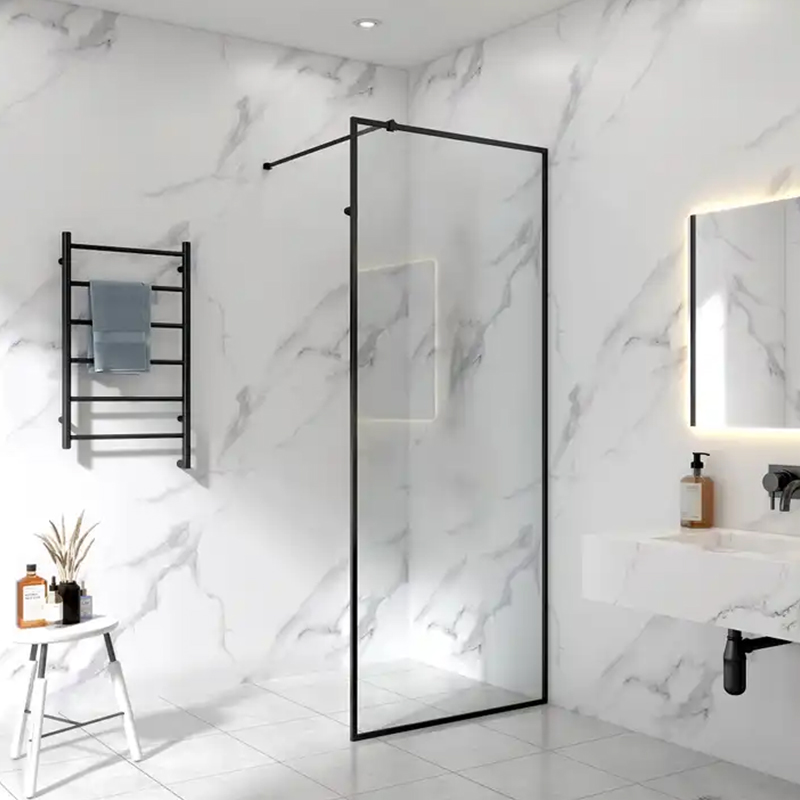
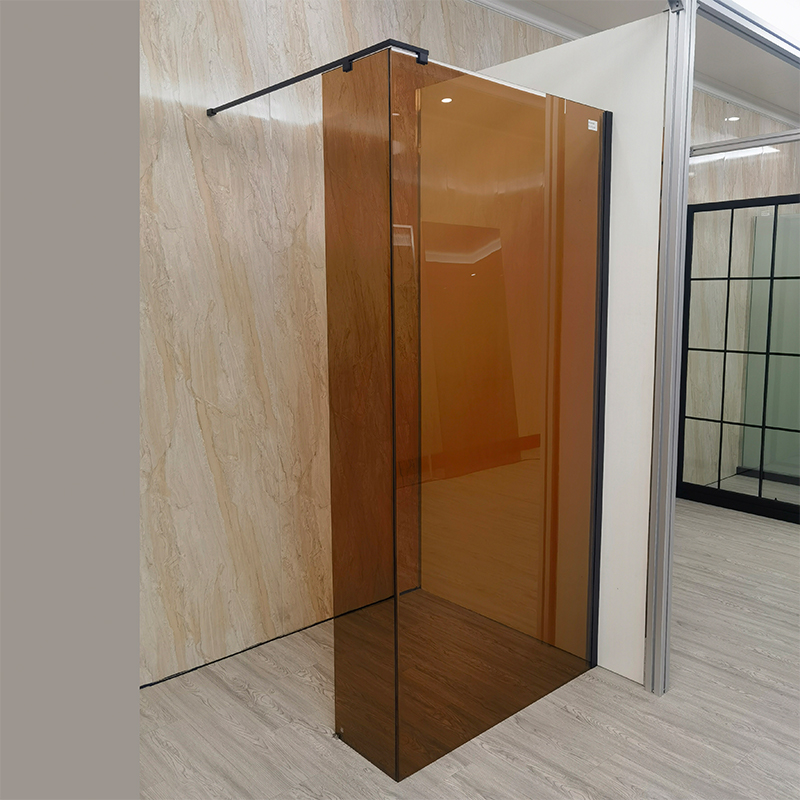
- Architecture: shower enclosures, glass doors, storefronts, balustrades, and partition walls.
- Appliances & furniture: oven doors, microwave doors, refrigerator shelves, glass tabletops, and shelving.
- Electronics: smartphone screen protectors, smartwatch covers, and display panels.
Thickness guide
4–6 mm: shower screens, tabletops
8–12 mm: doors, balustrades
15–19 mm: structural glazing
Limitations
Cannot be cut or drilled after tempering. Holes, notches, and edge work must be done before heat treatment.
Selection tip: For exterior applications subject to wind load, choose tempered glass with a minimum design pressure of 1.5 kPa (for standard 6 mm) per local building codes. Always specify heat-soaked tempered glass for overhead glazing to reduce the risk of spontaneous breakage.
Tempered vs. laminated – which one to choose?
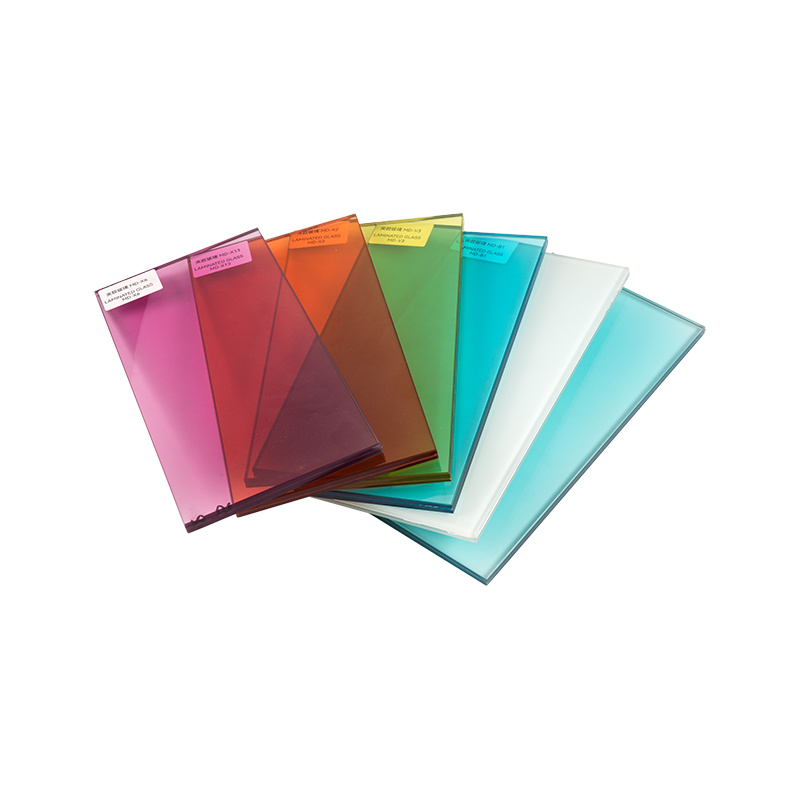
Both tempered and laminated glass are safety glazing materials, but they serve different purposes. Tempered glass offers high impact resistance and thermal stability, while laminated glass (with a PVB or ionomer interlayer) provides security, sound insulation, and UV protection.
- Choose tempered when you need strength against impact and heat, and when post-breakage safety (small granules) is critical.
- Choose laminated when you need the glass to remain intact after breakage (e.g., windshields, skylights, and security glazing).
Pro tip For hurricane zones, combine both: tempered laminated glass offers the ultimate protection.
Quality markers – how to identify genuine tempered glass
When purchasing tempered glass, look for permanent markings or labels. In most countries, tempered glass must bear a safety glazing certification mark (e.g., ANSI Z97.1, EN 12150, AS/NZS 2208). The marking typically includes the manufacturer’s name, the standard number, and the nominal thickness.
- Polarized light test: When viewed through polarized sunglasses, tempered glass often shows interference fringes (rainbow patterns) due to the residual stress – annealed glass does not.
- Flatness check: Tempered glass may have slight roller waves (≤ 0.3 mm distortion) from the quenching process; excessive waves indicate poor tempering.
Ask for test certificates – a reliable supplier will provide evidence of fragmentation tests, impact tests (e.g., 45 kg impactor), and thermal shock tests. For critical applications, request a third-party inspection.