

 中文简体
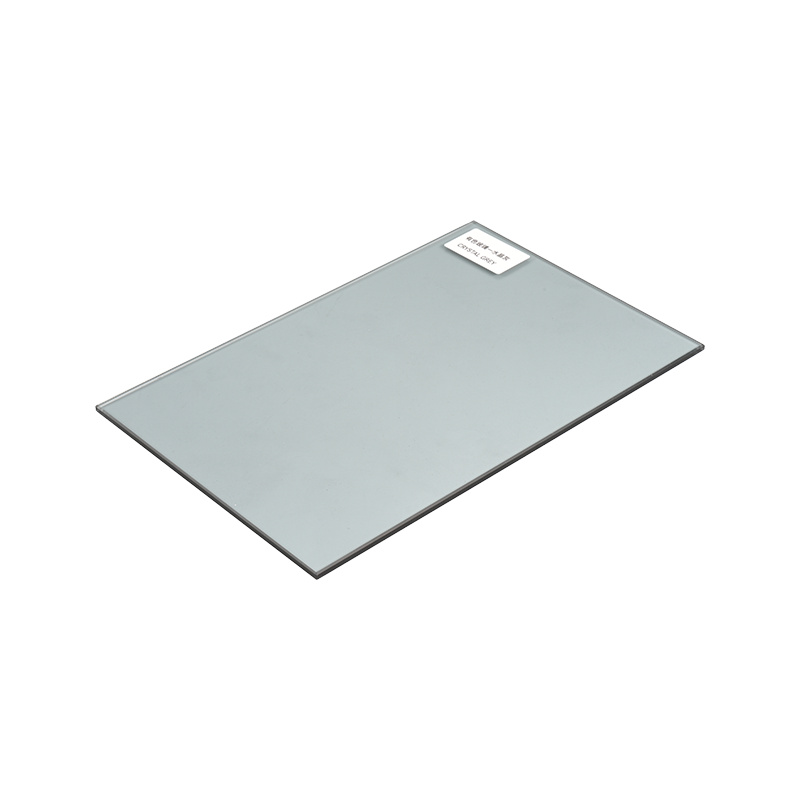
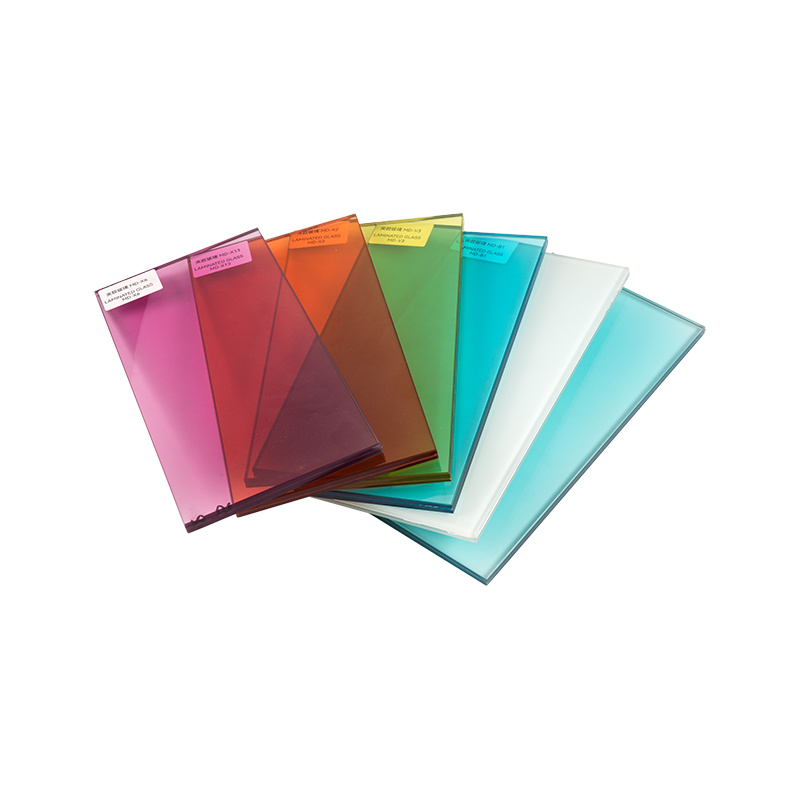
中文简体PVB, EVA, and SGP embossed decorative glass are laminated glass products in which a patterned or textured interlayer film is bonded between two or more glass plies to create visual depth, surface texture, and decorative effect — all while retaining the structural safety properties of laminated construction. The interlayer material determines not just the aesthetic outcome but also the mechanical performance, optical clarity, moisture resistance, and post-breakage integrity of the finished panel. Choosing the correct interlayer for a given application is therefore both a design and an engineering decision.
What Embossed Decorative Glass Is and How It Differs From Standard Laminated Glass
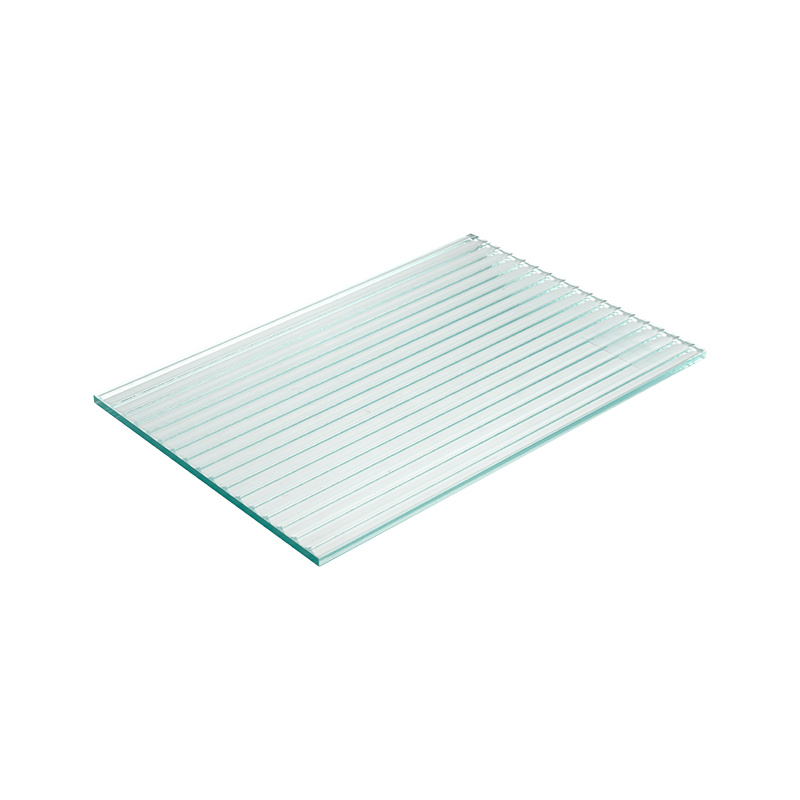
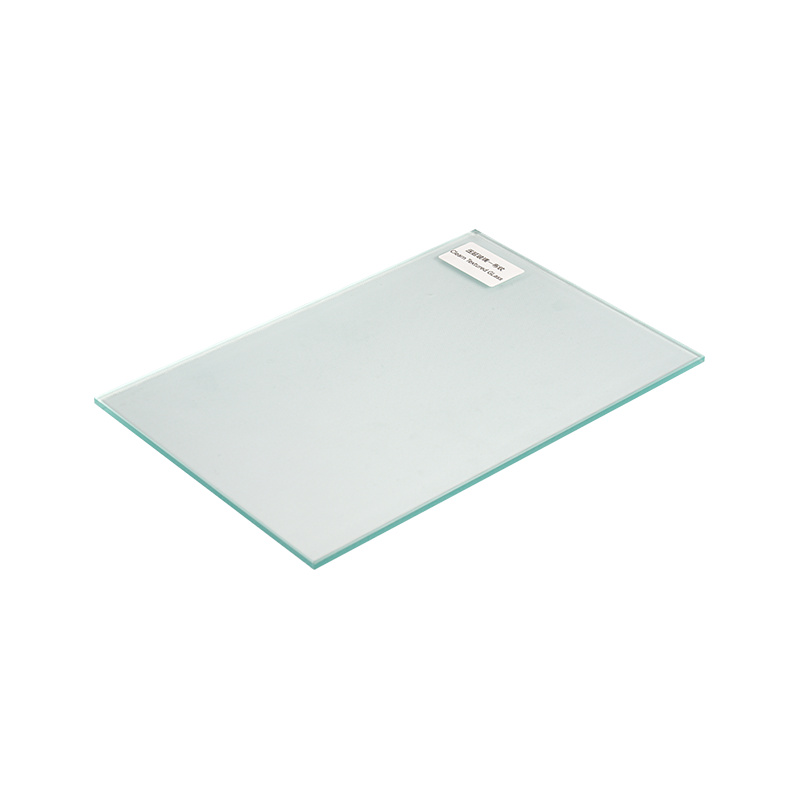
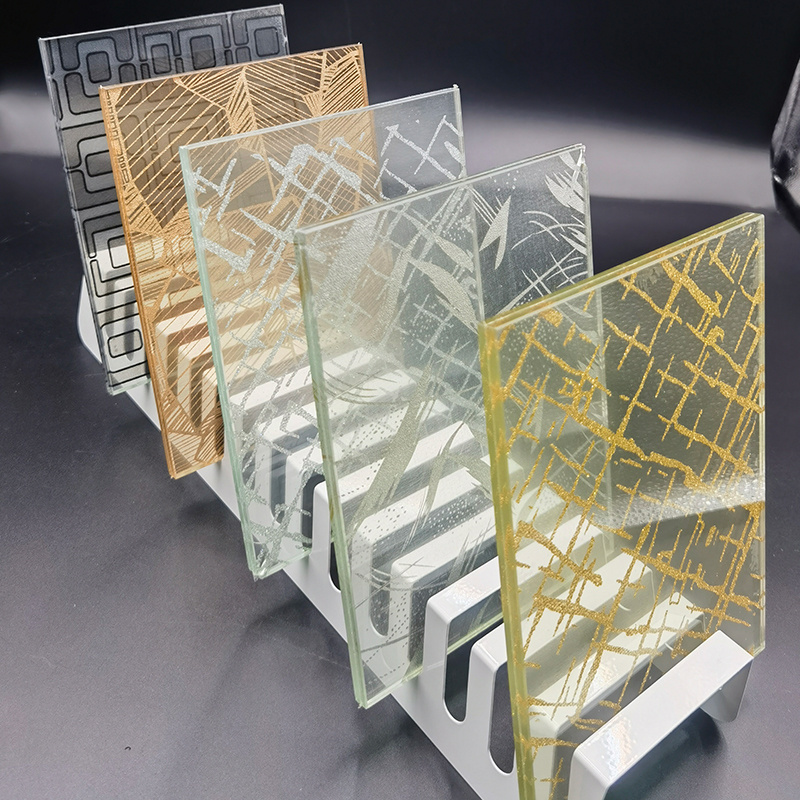
Standard laminated glass uses a clear, flat interlayer film whose primary function is structural — to hold glass fragments together after breakage. Embossed decorative glass takes this further by using interlayer films that have been mechanically embossed with surface patterns — geometric textures, fabric impressions, frosted gradients, or three-dimensional relief designs — before lamination. The result is a panel that combines safety glass performance with a decorative interior finish visible through the glass surface.
Additional decorative effects can be achieved by combining embossed interlayers with:
- Colored or tinted interlayer films (available in hundreds of standard and custom colors)
- Printed fabric, paper, or metallic mesh inserts are laminated between the film layers
- Digital UV printing is applied directly to the glass surface before lamination
- Low-iron (extra-clear) glass plies, which eliminate the green tint of standard float glass and allow colors to read more accurately
PVB Interlayer: The Industry Standard
Polyvinyl butyral (PVB) is the most widely used interlayer material in architectural laminated glass globally, accounting for over 80% of laminated glass production by volume. It has been in commercial use since the 1930s and is supported by the broadest range of processing equipment, supplier infrastructure, and performance data.
How PVB embossed glass is made
PVB film is produced by extruding a plasticized polyvinyl butyral resin into a continuous sheet, typically 0.38 mm, 0.76 mm, or 1.52 mm thick. The embossing pattern is imparted during extrusion by passing the film between engraved rollers. The film is then stored in controlled humidity conditions (relative humidity 20–25%) to maintain its moisture content within the range required for good adhesion.
Lamination follows a two-stage process:
- Pre-pressing (nip roll or vacuum bag): The glass-film-glass sandwich is passed through heated nip rollers at 70–100 °C, or placed in a vacuum bag and heated to approximately 90 °C. This step removes air from the interface and achieves initial adhesion.
- Autoclave pressing: The pre-pressed assembly is loaded into an autoclave and subjected to 120–135 °C and 10–14 bar pressure for 30–60 minutes. This fully bonds the PVB to both glass surfaces and achieves final optical clarity.
PVB performance characteristics
- Optical clarity: Clear PVB achieves light transmittance of 88–90% in standard 6.38 mm (3+0.38+3) construction — comparable to unlaminated glass.
- Sound attenuation: Acoustic PVB grades reduce sound transmission by an additional 3–5 dB compared to standard PVB, achieving STC ratings of 35–40 in typical configurations.
- UV blocking: Standard PVB blocks approximately 99% of UV radiation below 380 nm, protecting interior furnishings and artwork from fading.
- Moisture sensitivity: PVB is hygroscopic and will delaminate if exposed to prolonged moisture at edges. Edge sealing with butyl tape or silicone is required for exterior or high-humidity applications.
- Temperature range: PVB laminated glass is rated for service temperatures of –40 °C to +70 °C, with softening and reduced stiffness above 50 °C.
EVA Interlayer: The Moisture-Resistant Alternative
Ethylene vinyl acetate (EVA) interlayer film has gained significant market share since the 2000s, particularly for interior decorative applications where moisture resistance, processing flexibility, and the ability to encapsulate non-glass inserts are priorities.
How EVA embossed glass is made
EVA film is extruded and embossed similarly to PVB but does not require humidity-controlled storage — a significant practical advantage. Lamination uses a simpler process:
- Vacuum bag lamination: The assembly is placed in an EVA-specific vacuum bag, air is evacuated, and the package is heated in an oven at 130–145 °C for 30–45 minutes. No autoclave is required.
- Cross-linking: EVA bonds through a chemical cross-linking reaction triggered by heat, forming a thermoset structure that is more dimensionally stable at elevated temperatures than PVB.
The elimination of the autoclave step makes EVA lamination accessible to smaller processors and significantly reduces capital equipment costs, which is one reason EVA dominates the decorative and specialty laminated glass segment.
EVA performance characteristics
- Moisture resistance: EVA is substantially less hygroscopic than PVB, making it suitable for applications with direct water exposure — wet rooms, spa interiors, covered exterior canopies — without edge delamination risk.
- Insert encapsulation: EVA's lower processing temperature and flexible lamination process make it ideal for encapsulating fabrics, papers, dried botanicals, metallic meshes, and LED arrays between glass plies without damaging heat-sensitive materials.
- Optical clarity: Clear EVA achieves light transmittance of 90–92%, marginally superior to PVB in standard configurations.
- Temperature performance: Cross-linked EVA maintains structural integrity up to approximately 80 °C, outperforming PVB in high-temperature environments such as glass roofs in warm climates.
- Post-breakage performance: EVA offers adequate fragment retention for interior safety applications but provides lower residual load capacity after breakage than SGP — it is not recommended as a structural interlayer in overhead or canopy glazing without engineering assessment.
SGP Interlayer: High-Performance Structural Option
SentryGlas Plus (SGP), developed by Kuraray (formerly DuPont), is an ionoplast interlayer that represents the highest-performance category of laminated glass interlayer materials. It is approximately 100 times stiffer and five times stronger than standard PVB, enabling laminated glass panels to span greater distances, carry higher loads, and retain structural capability after breakage — properties that make it the preferred choice for structural glazing, overhead installations, and high-security applications.
How SGP embossed glass is made
SGP film processing follows the same autoclave lamination route as PVB, but at slightly different parameters: 120–130 °C and 14 bar pressure. The film's ionic cross-linking structure requires precise temperature control — overheating reduces adhesion strength. SGP is available in clear and translucent versions; embossed SGP variants are less common than PVB or EVA equivalents but are available from specialist suppliers for applications where both decorative effect and structural performance are required simultaneously.
SGP performance characteristics
- Structural performance: SGP laminated glass in overhead applications can retain up to 60% of its pre-breakage load capacity after one ply fractures, compared to near-zero residual capacity for PVB at elevated temperatures.
- Edge stability: SGP's low moisture absorption (less than 0.5% by weight) means exposed edges do not require sealing in most exterior applications — a significant installation and maintenance advantage.
- Temperature performance: SGP retains meaningful stiffness up to 60 °C — less than EVA in absolute terms, but with far higher stiffness at all temperatures due to its ionoplast chemistry.
- Optical clarity: SGP achieves light transmittance of 89–91%, comparable to PVB and EVA.
- Cost: SGP interlayer costs approximately 3–5 times more than equivalent PVB, which limits its use to applications where its structural advantages are genuinely required.
PVB vs. EVA vs. SGP: Side-by-Side Comparison
| Property | PVB | EVA | SGP |
|---|---|---|---|
| Tensile strength | ~20 MPa | ~10–15 MPa | ~34 MPa |
| Stiffness (shear modulus) | Low | Medium | Very high (~100× PVB) |
| Moisture resistance | Low (edge sealing required) | High | Very high |
| Max service temperature | ~70 °C | ~80 °C | ~60 °C (higher stiffness) |
| UV blocking | ~99% | ~99% | ~99% |
| Autoclave required | Yes | No | Yes |
| Insert encapsulation | Limited | Excellent | Limited |
| Relative interlayer cost | Low (baseline) | Low–medium | High (3–5× PVB) |
| Best suited for | General architectural glazing | Decorative interior, wet areas | Structural, overhead, canopy |
Embossing Techniques and Pattern Options
The embossing process for interlayer film uses engraved steel rollers to impress a surface pattern into the soft film during or after extrusion. Pattern depth, repeat frequency, and profile geometry determine the visual and tactile outcome of the finished glass panel.
Common emboss pattern categories
- Geometric patterns: Diamonds, hexagons, squares, and linear grids. These create a structured, contemporary aesthetic and are widely used in office partitions, retail interiors, and hotel lobbies.
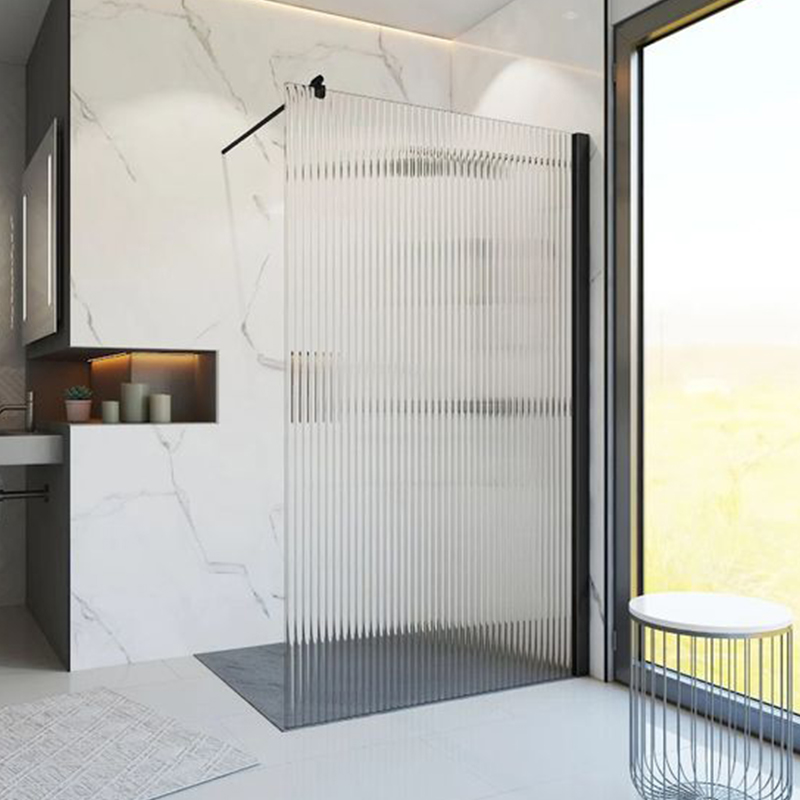
- Fabric impressions: Linen, silk, woven, and mesh textures replicated in the interlayer film. These are among the most popular choices for decorative shower screens and spa interiors.
- Frosted and diffuse textures: Fine matte or semi-gloss surfaces that scatter light and provide privacy without fully obscuring vision — functionally similar to acid-etched glass but without the moisture-sensitivity of a treated glass surface.
- Organic and natural patterns: Bark, stone, water ripple, and leaf impressions are increasingly popular in biophilic design schemes.
- Custom bespoke patterns: Roller engraving can reproduce virtually any repeating pattern. Minimum order quantities for custom rollers typically start at 500–1,000 m² of film, making bespoke embossing commercially viable for medium to large projects.
Typical Applications by Interlayer Type
| Application | Recommended Interlayer | Key Reason |
|---|---|---|
| Interior partitions and doors | PVB or EVA | Cost-effective, wide pattern range |
| Shower screens and wet rooms | EVA | Moisture resistance, no edge delamination |
| Glass floors and walkways | SGP | Structural load capacity, post-breakage integrity |
| Overhead canopies and rooflights | SGP | Retained integrity after breakage |
| Decorative feature walls | EVA (with inserts) | Insert encapsulation capability |
| Exterior façade panels | PVB (with edge seal) or SGP | Weather resistance, structural performance |
| Acoustic glazing | Acoustic PVB | Optimized damping layer for sound reduction |
Quality Standards and Certifications to Specify
Specifying embossed decorative glass for architectural projects requires reference to the appropriate product and performance standards. The most relevant include:
- EN 14449 (Europe): The primary product standard for laminated glass and laminated safety glass, covering requirements for interlayer adhesion, optical quality, moisture resistance, and radiation durability.
- ANSI Z97.1 / CPSC 16 CFR Part 1201 (USA): Safety glazing standards applicable to laminated glass used in hazardous locations including doors, sidelights, and low-level glazing.
- EN 356 (attack resistance): Classifies laminated glass panels from P1A (basic manual attack resistance) to P8B (high-level forced entry resistance). SGP interlayers are typically required to achieve ratings above P4A.
- EN 12600 (pendulum impact test): Defines the impact classification of laminated glass panels used in vertical glazing applications — relevant for partitions and doors with embossed decorative glass.
- CE marking: Required for all architectural glass products sold in the EU under the Construction Products Regulation (CPR). Specifiers should confirm that embossed decorative glass panels are CE marked and accompanied by a Declaration of Performance (DoP).
How to Choose the Right Interlayer for Your Project
The decision between PVB, EVA, and SGP should be driven by a structured assessment of project requirements rather than cost alone. The following questions provide a practical framework:
Is the installation overhead or structural?
If yes, SGP is the only appropriate interlayer. PVB and EVA do not provide adequate post-breakage load retention for overhead glazing. This requirement should override all cost considerations.
Will the glass be exposed to sustained moisture or wet conditions?
If yes, EVA or SGP should be specified. PVB requires edge sealing in wet environments and will delaminate if the seal fails over time — a common failure mode in shower enclosures and pool surrounds specified with standard PVB.
Does the design include inserts or non-glass materials?
EVA is the clear choice for encapsulating fabrics, papers, botanicals, or LED films. Its lower processing temperature and flexible vacuum-bag lamination process can accommodate heat-sensitive materials that would be damaged in a PVB or SGP autoclave cycle.
Is budget the primary constraint?
For interior decorative applications with no structural or moisture requirements, PVB offers the best combination of performance, pattern availability, and cost. Its long track record also means the widest range of processors and replacement stock availability in most markets.
Sustainability and Environmental Considerations
All three interlayer types present end-of-life challenges, as laminated glass is difficult to recycle — the bonded interlayer must be separated from the glass cullet before either material can be reprocessed. Industry recycling rates for post-consumer laminated glass remain below 30% in most markets.
From a production standpoint, EVA's autoclave-free processing reduces energy consumption per square meter of laminated glass by an estimated 15–25% compared to PVB or SGP, which require the additional energy-intensive autoclave stage. For projects with sustainability targets (LEED, BREEAM, WELL), this difference may be worth documenting in the materials specification.
Longevity remains the most impactful sustainability variable: a correctly specified and installed laminated glass panel with a 30-year service life has a significantly lower environmental impact per year of use than a cheaper, incorrectly specified panel that delaminates or fails within 10 years and requires full replacement.