

 中文简体
中文简体Tempered glass, also known as toughened glass, is a type of safety glass processed through controlled thermal or chemical treatments to significantly increase its strength compared to ordinary glass. The most critical conclusion is that tempered glass is 4-5 times stronger than standard annealed glass and breaks into small, blunt, harmless fragments when damaged, making it the preferred safety glass for residential, commercial, and industrial use.
Unlike ordinary glass that shatters into sharp, jagged shards capable of causing severe cuts and injuries, tempered glass is designed with safety as the top priority. Its enhanced mechanical strength and impact resistance allow it to withstand daily wear, temperature changes, and accidental impacts that would destroy regular glass instantly. This unique combination of strength and safety defines the irreplaceable value of tempered glass in modern architecture, home decoration, electronic devices, automotive manufacturing, and other fields.
Another essential conclusion is that tempered glass is a non-retrofittable material: once cut, drilled, or processed after tempering, it will shatter immediately. This characteristic determines its entire production and application logic, requiring all shaping and processing work to be completed before the tempering process. Mastering this core property is the basis for correctly selecting, using, and installing tempered glass products.
Manufacturing Process of Tempered Glass
Thermal Tempering: The Most Widely Used Production Method
Thermal tempering is the mainstream technology for producing tempered glass, suitable for most glass thickness specifications. The entire process follows strict temperature and time control to ensure uniform stress distribution inside the glass. First, the cut and edged glass is heated to a high temperature close to its softening point, usually between 600°C and 700°C, in a professional tempering furnace.
After reaching the target temperature, the glass is quickly and uniformly cooled using high-pressure cold air jets. This rapid cooling process creates a stable stress structure: the surface of the glass forms a layer of compressive stress, while the interior forms tensile stress. This internal stress balance is the fundamental reason for the improved strength and safety of tempered glass.
The uniformity of cooling is the key to the quality of tempered glass. Uneven cooling will lead to optical distortion, spontaneous breakage, or reduced strength. Industrial-grade tempering equipment adopts multi-directional air supply systems to ensure that every part of the glass is cooled at the same rate, even for large-size glass panels.
Chemical Tempering: For Thin and Special-Purpose Glass
Chemical tempering is mainly used for ultra-thin glass or glass products with complex shapes that are not suitable for thermal tempering. This method immerses the glass in a molten salt bath at a temperature below the annealing point, using ion exchange technology to replace smaller ions on the glass surface with larger ions.
The larger ions squeeze the glass surface, forming a stable compressive stress layer. Although chemically tempered glass has higher surface strength, its internal stress layer is thinner than that of thermally tempered glass, so its impact resistance is slightly lower. This process is widely used in electronic device screens, watch mirrors, and precision instrument glass covers.
Key Production Steps and Quality Control
- Cutting and shaping: Cut the original glass into the required size and shape, and perform edging and chamfering
- Cleaning and inspection: Remove surface impurities and check for bubbles, scratches, and other defects
- Heating treatment: Heat evenly in the tempering furnace to reach the specified temperature
- Rapid cooling: Uniform cooling to form internal stress
- Quality testing: Impact resistance, strength, and fragmentation status testing to meet safety standards
Core Physical and Mechanical Properties of Tempered Glass
Strength and Impact Resistance
The most prominent property of tempered glass is its exceptional strength. Its bending strength is 3-5 times higher than ordinary glass, and it can withstand greater external pressure without breaking. In impact resistance tests, tempered glass can absorb more impact energy, making it highly resistant to collisions, drops, and other accidental impacts.
For example, a standard tempered glass tabletop can withstand the impact of daily tableware drops and heavy object pressure, while ordinary glass would crack directly. This property makes tempered glass widely used in scenarios requiring high mechanical strength, such as building curtain walls, shower rooms, and furniture panels.
Thermal Stability Performance
Tempered glass has excellent thermal stability, able to withstand 200-300°C of instantaneous temperature difference changes without breaking. Ordinary glass will crack due to thermal stress when facing rapid temperature changes, but tempered glass's internal stress structure allows it to adapt to extreme temperature fluctuations.
This characteristic is critical for applications such as oven doors, fireplace screens, car windows, and outdoor architectural glass. In high-temperature and low-temperature alternating environments, tempered glass maintains structural integrity and does not compromise safety performance.
Fragmentation Characteristics: The Core of Safety
When tempered glass is subjected to extreme external force exceeding its bearing limit, it breaks into small, uniform, blunt granular fragments. These fragments have no sharp edges and corners, greatly reducing the risk of injury to the human body. This is the most important safety feature that distinguishes tempered glass from all other glass types.
In contrast, ordinary glass breaks into long, sharp shards that can cause deep cuts and even life-threatening injuries in impact scenarios. Safety standards worldwide clearly require that glass used in public places, homes, and vehicles must meet specified fragmentation requirements, which only tempered glass can reliably achieve.
Optical Properties and Appearance
High-quality tempered glass retains the original light transmittance of the glass, with almost no impact on lighting and visual effects. After professional processing, the surface is flat and smooth, without obvious distortion. Only under specific light conditions can slight stress spots be observed, which is a normal feature of the tempering process and does not affect daily use.
Comparison Between Tempered Glass and Other Glass Types
To better understand the advantages of tempered glass, we compare it with ordinary annealed glass and laminated glass, two common glass types, in terms of performance, safety, and application scenarios. The table below clearly shows the core differences between them:
| Performance Index | Tempered Glass | Ordinary Annealed Glass | Laminated Glass |
|---|---|---|---|
| Strength | High (4-5 times of ordinary glass) | Low | Medium-High |
| Safety When Broken | Blunt small fragments | Sharp shards | Fragments stick to film |
| Thermal Stability | Excellent | Poor | Good |
| Post-processing | Not allowed | Allowed | Not allowed |
Key Differentiators Analysis
Tempered glass is the most cost-effective safety glass option, balancing strength, safety, and cost. Laminated glass has better sound insulation and anti-penetration properties but is more expensive and heavier. Ordinary glass is cheap and easy to process, but lacks basic safety performance and is gradually being phased out in high-demand scenarios.
The non-post-processability of tempered glass is a key difference from ordinary glass. This means that all cutting, drilling, edging, and shaping operations must be completed before tempering, which is a crucial point that users and processors must keep in mind to avoid material damage.
Main Application Fields of Tempered Glass
Architectural and Decoration Applications
Architecture is the largest application field of tempered glass, covering residential, commercial, and public buildings. It is widely used in building curtain walls, interior partitions, doors and windows, shower room enclosures, balcony railings, and stair railings. In high-rise buildings, tempered glass can withstand strong wind loads and outdoor impacts, ensuring structural safety and aesthetic effects.
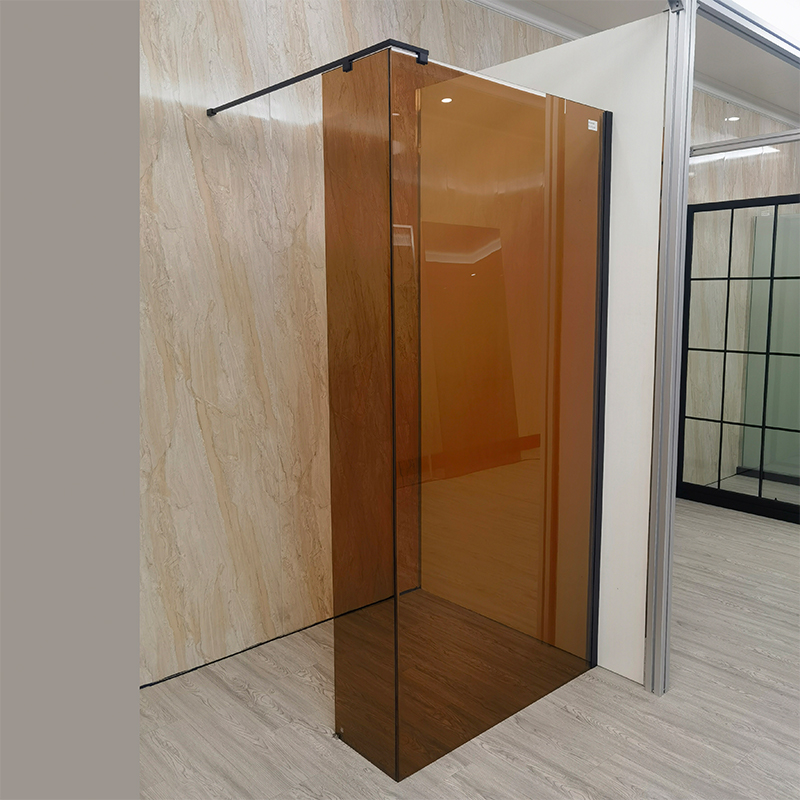
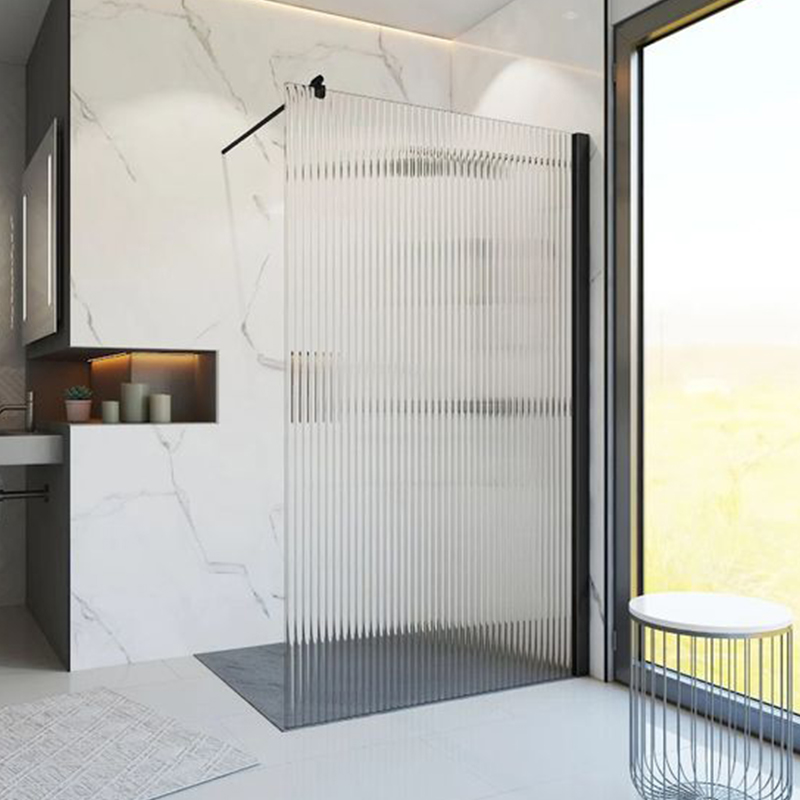
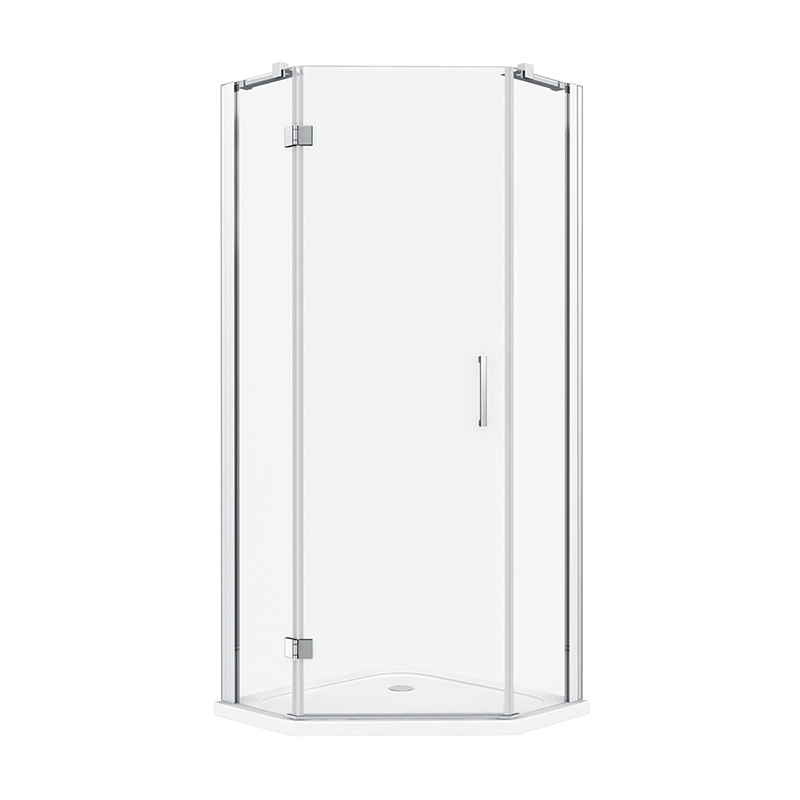
Shower room glass is one of the most common tempered glass products in home decoration. More than 90% of modern shower rooms use tempered glass due to its safety and waterproof performance. Even if broken accidentally, it will not cause harm to users, which is a mandatory requirement for bathroom safety decoration.
Furniture Manufacturing
Tempered glass is widely used in modern furniture design, including dining tabletops, coffee tables, TV cabinets, cabinet doors, bookshelf panels, etc. Its smooth surface, easy cleaning, high strength, and modern appearance make it a favorite material for furniture designers. Tempered glass furniture is not only beautiful but also durable, adapting to various home styles.
In office furniture, tempered glass is used for desk tops, partition walls, and display cabinets, providing a clean and professional spatial experience while ensuring daily use safety.
Automotive and Transportation
The automotive industry relies heavily on tempered glass, which is used for side windows, rear windshields, sunroofs, and some instrument panel covers. When a car collision occurs, tempered glass breaks into small particles to avoid piercing the human body, protecting the lives of drivers and passengers.
In addition to automobiles, tempered glass is also used in trains, ships, airplanes, and other transportation tools, adapting to high-strength vibration and extreme environmental changes during operation.
Electronic and Household Appliances
Ultra-thin tempered glass is the core material for electronic device screens, including mobile phones, tablets, laptops, and touch displays. It provides scratch resistance and drop protection for electronic screens. Household appliances such as refrigerators, ovens, microwave ovens, and induction cookers all use tempered glass panels, taking advantage of their high temperature resistance, easy cleaning, and strength advantages.
Industrial and Special Applications
Tempered glass is used in industrial equipment covers, safety protection panels, solar panels, and stage lighting protection covers. Its high strength and safety adapt to harsh industrial environments. In the field of outdoor advertising, large tempered glass is used as billboard protective shells, resisting wind, rain, and accidental impacts.
Installation, Use, and Maintenance of Tempered Glass
Professional Installation Requirements
Although tempered glass has high strength, improper installation will greatly reduce its service life and even cause spontaneous breakage. Installation must be carried out by professional technicians, using matching fixing accessories and sealing materials. During installation, avoid sharp collisions and extrusion on the glass edges, as the edges are the weakest parts of tempered glass.
Reserve appropriate expansion gaps during installation to adapt to slight deformation caused by temperature changes, preventing glass extrusion and breakage. For large-sized tempered glass, professional lifting and fixing equipment must be used to ensure uniform stress during the installation process.
Daily Use Precautions
- Avoid sharp impacts on glass edges and corners, the most vulnerable areas
- Do not place overweight items on glass surfaces for long periods to exceed load limits
- Do not attempt to cut, drill, or grind tempered glass after installation
- Avoid rapid temperature changes on local glass areas to reduce thermal stress risks
- Regularly check the fixing accessories for looseness and repair them promptly
Daily Cleaning and Maintenance Methods
Tempered glass is easy to clean and maintain. Use a soft cloth, sponge, and neutral cleaning agent for daily cleaning; avoid hard brushes, steel wool, or strong acid and alkali cleaning agents that will scratch or corrode the glass surface. For oil stains and limescale, special glass cleaners can effectively remove them without damaging the glass.
After cleaning, wipe dry with a soft cloth to avoid water stains. For outdoor tempered glass, regular cleaning can maintain light transmittance and appearance, and also check for surface damage during cleaning.
Common Problems and Solutions for Tempered Glass
Spontaneous Breakage Phenomenon and Causes
Spontaneous breakage refers to the phenomenon where tempered glass breaks automatically without external force, which is a rare but possible problem. The main cause is the presence of tiny nickel sulfide impurities inside the glass raw material, which expand during use and destroy the internal stress balance. Edge damage, installation stress, and temperature changes are also common triggers.
The probability of spontaneous breakage of high-quality tempered glass is extremely low and is controlled below a very small range. Choosing products from regular processing factories and strictly following installation standards can effectively reduce this risk.
How to Identify Genuine Tempered Glass
Regular tempered glass has obvious identification features: first, observe slight stress spots under natural light (visible at specific angles); second, check for factory tempering marks; third, verify that the broken particles are small and blunt. Fake tempered glass (ordinary glass not processed) breaks into sharp shards and has no stress spots.
When purchasing, ask for product quality certificates and test reports to ensure you get genuine tempered glass that meets safety standards.
Solutions for Damaged Tempered Glass
Once tempered glass is cracked or broken, it cannot be repaired or reused and must be replaced directly. When replacing, measure the size accurately and choose the same thickness and type of tempered glass. For safety-critical scenarios such as shower rooms and railings, replace damaged glass immediately to avoid safety hazards.
Safety Standards and Quality Certification of Tempered Glass
Global regions have formulated strict mandatory safety standards for tempered glass to ensure its performance and safety. Qualified tempered glass products must pass standardized tests, including impact resistance, fragmentation, thermal stability, and bending strength.
Products that meet the standards will carry corresponding certification marks, which are important bases for users to identify quality. Tempered glass that does not meet safety standards cannot be used in construction, furniture, automotive, and other fields, as it cannot provide the necessary safety protection.
When purchasing tempered glass products, priority should be given to products that pass standard certification, which is the fundamental guarantee for safe use. Whether for home decoration or engineering construction, choosing certified tempered glass is a responsible choice for personal and public safety.
Future Development Trends of Tempered Glass
Technological Innovation and Performance Upgrade
With the development of material technology, tempered glass is moving towards higher strength, ultra-thin, ultra-large, and multi-functional directions. New tempering processes and equipment further improve product uniformity and stability, reduce the spontaneous breakage rate, and expand application scenarios.
Composite Functional Tempered Glass
The future mainstream is composite functional tempered glass, such as tempered glass with anti-fouling, anti-fog, UV protection, sound insulation, and energy-saving functions. Combined with technologies such as coating and lamination, it achieves multi-functional integration while maintaining basic safety and strength, meeting the needs of smart homes and green buildings.
Environmental Protection and Sustainable Development
The tempered glass industry is developing towards energy-saving and environmentally friendly production, reducing energy consumption and pollutant emissions during the manufacturing process. The recycling technology of waste tempered glass is gradually maturing, promoting the sustainable development of the industry and conforming to global environmental protection trends.
As a safe, reliable, and widely used material, tempered glass will continue to play an irreplaceable role in various fields. With technological progress and market demand growth, its performance and application scope will be further improved, bringing safer and more convenient experiences to human life and production.