

 中文简体
中文简体During a coastal storm inspection, a 12.76mm laminated glass balcony screen fractured when a roof bracket struck it at high wind speed. The PVB interlayer held every fragment, but the panel bowed roughly 140mm out of plane and was condemned on the spot. The same glass stack built with an SGP laminated glass construction would have deflected under 50mm, kept the opening weathertight, and carried the remainder of the design load until a scheduled replacement. That difference in post-breakage residual strength is the reason SGP laminated glass has become the default specification for glazing where falls, overhangs, or missile impact are possible.
SGP (SentryGlas Plus) laminated glass is a safety glazing composite in which two or more glass plies are bonded with an ionomer interlayer. The interlayer is several times stronger and roughly two orders of magnitude stiffer than PVB film, and it stays transparent and UV-stable for decades. Those properties do not change how the glass looks when new; they change what happens after the glass breaks.
50-100xstiffer than PVB at room temperature: a cracked SGP laminate can retain around 60% of its intact bending strength, while a cracked PVB laminate typically retains less than 20%.
What Is SGP Laminated Glass and How Is It Made?
SGP laminated glass is a laminated safety glass made with an ionoplast interlayer rather than the conventional PVB or EVA film. It is produced the same way as other laminates, but the material properties of the interlayer give the finished panel structural behavior that PVB cannot match.
The manufacturing sequence is straightforward:
- Cut, edge-finish, and wash two or more glass plies to the final dimensions.
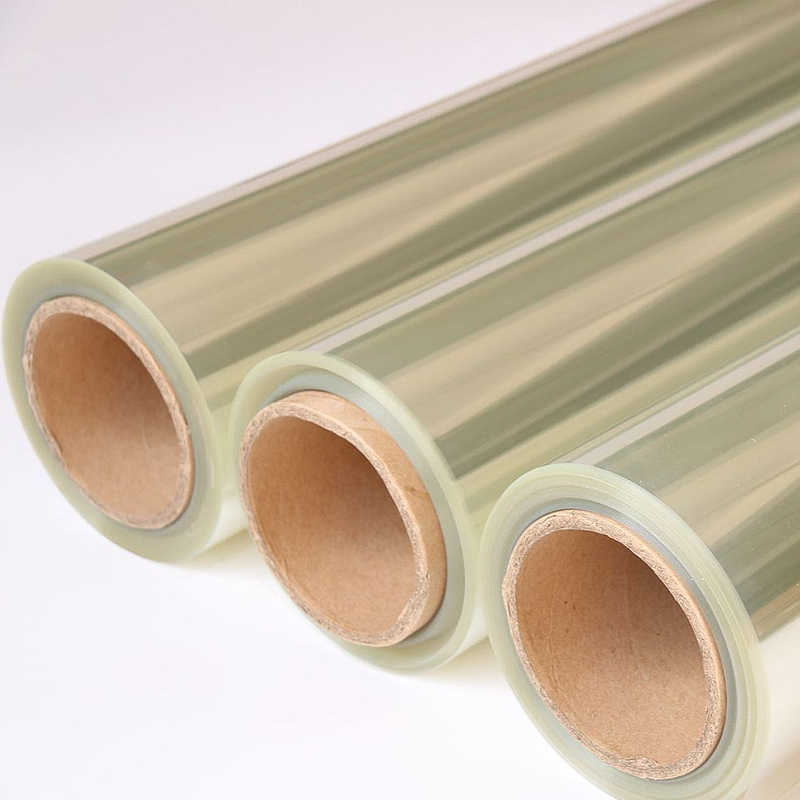
- Assemble the interlayer stack: one or more sheets of SGP film, typically 0.89mm, 1.52mm, or 2.29mm thick.
- Bond the stack in a vacuum bag or roller pre-press line, then consolidate in an autoclave at roughly 135 degrees Celsius and 12-14 bar.
The finished laminate is colorless and highly transparent. Accelerated weathering tests show a yellowing index shift below 1.0, which keeps SGP glass free of the amber cast that can develop in PVB after years of intense sun and rain exposure.
SGP stands for SentryGlas Plus, a family of ionomer interlayers engineered for laminated glass. The ionomer forms strong chemical bonds with glass, which is what produces the composite's residual structural capacity after fracture.
SGP Laminated Glass vs PVB and EVA: Spec-by-Spec Comparison
On every mechanical property that governs safety glazing, SGP laminated glass outclasses PVB and EVA. The only reasons to choose another interlayer are budget, delivery, and code minimums.
| Property | PVB | EVA | SGP ionomer |
| Tensile strength / MPa | 20 | 20 | 35 |
| Tear strength / N/mm | 2 | 8 | 34 |
| Relative stiffness at 20 degrees Celsius | baseline | 2-4x stiffer | 50-100x stiffer |
| UV and yellowing resistance | moderate | good | excellent |
| Post-breakage strength retention | low | low | high |
The tear strength difference is the most visible number on a manufacturer's data sheet. SGP film resists tearing far better than PVB, which means a broken panel stays stiff instead of sagging under its own weight. For a detailed side-by-side review of these interlayers in decorative embossed glass, see our guide to the differences between PVB, EVA, and SGP embossed laminates.
Tear strength by interlayer film, N/mm
Takeaway for specifiers: if the interlayer will see edge exposure, high humidity, windborne debris, or post-breakage loading, SGP is the safer baseline; PVB requires more careful edge sealing and lower stress after damage.
Post-Breakage Performance: The Real Safety Margin
The decisive difference is not the intact strength of an SGP laminate; it is the strength that remains after the glass fractures. A freshly laminated pane of SGP and a pane of PVB glass have almost identical bending resistance because the glass plies carry the load. Once those plies crack, the interlayer becomes the only load path.
~60%of intact bending strength retained after breakage in an SGP laminate
<20%retained by a cracked PVB laminate under the same test
9,000+pressure cycles required after large-missile impact in hurricane code tests such as TAS 201
This behavior is why hurricane glazing codes in high-velocity wind zones accept SGP laminates where PVB assemblies fail post-impact pressure cycling. It is also why blast-resistant building envelopes use multiple SGP plies: when the outer glass shatters, the laminated layer remains stiff enough to keep the panel in the frame and absorb subsequent pressure waves. The same residual stiffness protects people below a fractured skylight or canopy, because the panel does not droop open and release fragments.
SGP laminates also tolerate higher edge stress. Because the ionomer carries tensile load across the crack, edge chips, drilling spalls, and installation bites that would grow under PVB generally stay dormant in an SGP panel.
Where SGP Laminated Glass Justifies the Higher Cost
Specify SGP laminated glass wherever human life depends on the panel continuing to perform after it breaks. Choose PVB when the glazing only needs to catch and hold fragments, such as internal partitions with no fall risk and no overhead exposure.
Specify SGP for these applications
- Overhead glazing, skylights, and sloped canopies
- Glass balustrades, railings, and parapet screens
- Hurricane and windborne-debris zones with missile-impact codes
- Security glazing, anti-throw screens, and blast enclosures
- Glass floors, stair treads, and structural fins
PVB remains reasonable for
- Interior partition glazing without overhead risk
- Standard windows in low-wind regions
- Decorative laminated panels that stay dry indoors
- Internal doors and borrowed-light openings
For projects that need a wired texture, Zhejiang MingDing Glass Technology Co., Ltd. (MD Glass) offers wired laminated glass with PVB, EVA, or SGP film in multiple thicknesses, so the same decorative wire pattern can be matched to the structural demand of the location.
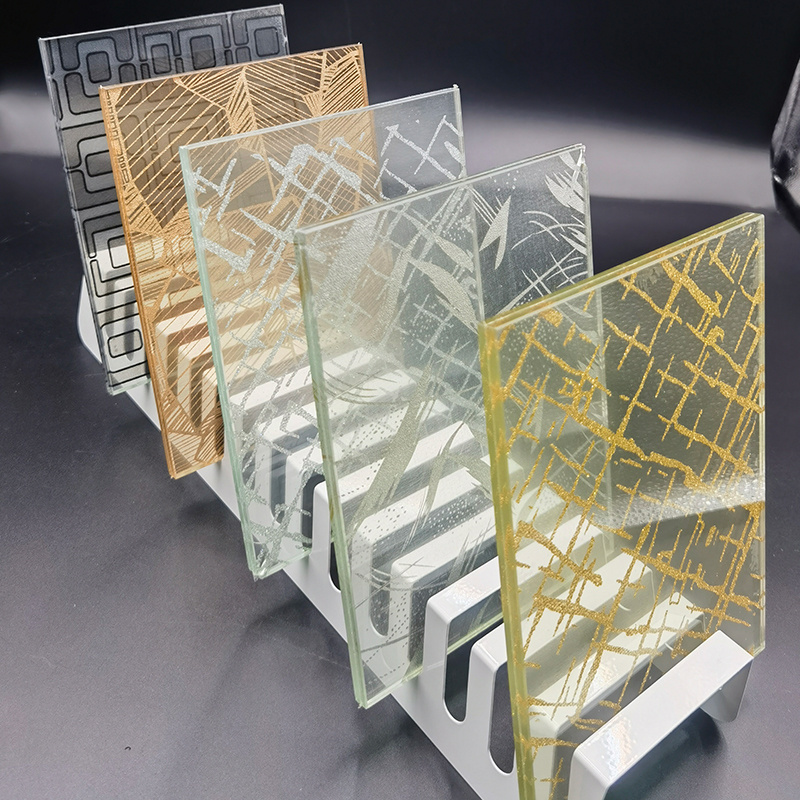 Wired Laminated Glass with PVB, EVA, or SGP Interlayers and Custom TexturesThis wired laminated glass pairs decorative wire patterns with PVB, EVA, or SGP films in multiple thicknesses, letting you match the same texture to different structural requirements. Its safety and acoustic properties suit facades, doors, and partitions.View Product →
Where colored interlayers are part of the design, radiation-resistant colored laminated glass combines tinted interlayer film with the impact behavior of a safety laminate, useful for facades where solar control and UV protection are priorities.
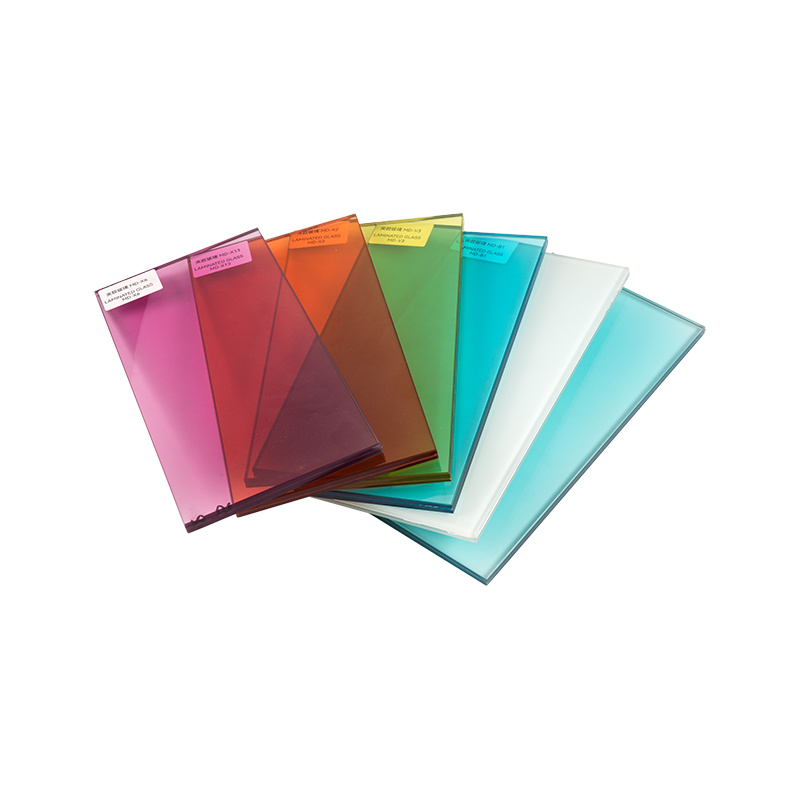 Radiation-Proof Colored Laminated Glass with EVA and PVB Film OptionsColored laminated glass using EVA or PVB interlayers offers a wide range of tints and gradients while blocking UV and some harmful rays. Its safety laminate behavior helps control solar heat and reduce injury risk, making it a practical choice for facades.View Product →
Fabrication Checklist: Processing SGP Laminates Correctly
SGP interlayers require a disciplined process, but not exotic machinery. A standard autoclave lamination line that handles PVB can run SGP if time and temperature are adjusted to the ionomer's higher melting point.
- Clean and inspect every glass ply; SGP does not forgive dirt, as the bond is stronger and more permanent than PVB.
- Match interlayer thickness to the loading: 0.89mm for general laminates, 1.52mm for windborne-debris zones, 2.29mm for blast or high-security glass.
- Assemble the stack in a humidity-controlled room; the ionomer absorbs far less moisture than PVB, but condensation on glass ruins the bond.
- Pre-press in a vacuum bag or roller line until all air is removed from the interlayer-glass interface.
- Autoclave at about 135 degrees Celsius and 12 to 14 bar to achieve full optical bonding.
- Inspect for inclusions, edge voids, and delamination near drilled holes before shipping.
For maximum light transmission in a clarity-critical laminate, start with an ultra-transparent white glass substrate; the difference is visible in thick stacks where ordinary float glass reads green at the edges.
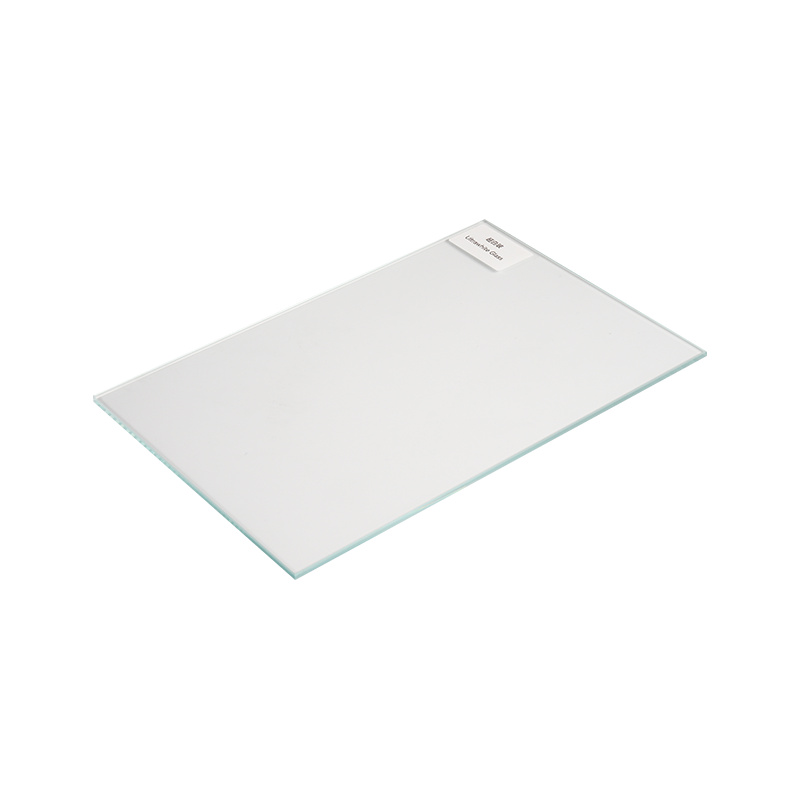 4-12mm Ultra-Transparent Ultrawhite Glass for High Clarity LaminatesUltra-white glass provides superior clarity over standard float glass, reducing green edge tint in thick stacks while offering UV protection. This makes it a strong substrate for clarity-critical laminated glass applications, such as display windows and high-end facades.View Product →
A reliable supplier should show interlayer certificates, autoclave records, and third-party test reports. MD Glass manufactures laminated glass on a 20,000-square-meter line near Shanghai and Ningbo ports, with 3C, CE, and SGS certification on its tempered safety glass range, including SGP and wired laminated glass. The interlayer choice also changes acoustics; our review of how interlayer materials affect sound insulation in wired laminated glass compares film options for projects with noise requirements.
Ask for the interlayer supplier's storage and shelf-life data before ordering; SGP cartridges have stricter temperature limits than PVB rolls, and a mishandled reel will cause edge separation later.
Frequently Asked Questions About SGP Laminates
What does SGP stand for in laminated glass?
SGP stands for SentryGlas Plus, a family of ionomer interlayers used to produce laminated safety glass. It is supplied as film to processors or as pre-laminated glass from specialty manufacturers.
Is SGP laminated glass stronger than tempered glass?
No, and the two serve different roles. Tempered glass is heat-strengthened so it resists bending and breaks into small granules. SGP laminated glass resists penetration and holds fragments after breakage. For maximum protection, specifiers often use tempered glass plies bonded with an SGP interlayer, which handles impact, fallout, and falling debris at the same time.
Can SGP laminated glass be combined with tinted or textured glass?
Yes. SGP film is available in clear and translucent white grades, and it bonds to tinted float glass, patterned glass, or coated glass. The interlayer remains clear, so the laminate takes on the color of the selected glass plies while gaining the structural performance of the ionomer.
How much should a project budget when upgrading from PVB to SGP?
Interlayer material cost typically rises by a factor of 1.5 to 2.5 over PVB, and the total installed price of the glazing system usually increases by only 5% to 15%. Projects that reduce glass thickness by using SGP's residual capacity can offset part of the material premium.