

 中文简体
中文简体Specifying a colored glass panel for a kitchen splashback or a hotel shower wall usually starts with a color chip and ends with a safety question. When the glass is tempered before the color is fused to its rear face, the result is back painted tempered glass, a single panel that carries both a verified safety rating and a decorative finish.
For architects, bathroom manufacturers, and furniture makers, the material solves a practical problem: getting an opaque, high-gloss color surface that still behaves like safety glass under impact and thermal stress. The application list is broad, from splashbacks and shower screens to wardrobe doors, lift panels, and retail wall cladding.
Back painted tempered glass is a tempered glass substrate with a durable color coating applied to its back surface, so the color is seen through the glass while the paint stays protected from chemicals, scratches, and direct handling.
Back Painted Tempered Glass: Definition and Production Process
The production sequence cannot be rearranged: annealed glass is cut, drilled, edged, tempered, coated, and cured, and after tempering no further cutting or drilling is possible. The process, in six steps, looks like this:
- Cutting and edge workFloat or patterned glass is cut to final dimensions, then flat polished or seamed before any heat treatment.
- Holes and notchesMounting holes and notches for hinges, brackets, or taps are drilled before tempering; the panel is then washed and dried.
- TemperingThe glass is heated to roughly 620 to 700 degrees Celsius in a horizontal furnace, then rapidly quenched with air to create balanced compressive surface stress.
- Coating applicationPaint or ceramic color is applied to the back face by roller coating, spray, or silk-screen printing.
- CuringThe coating is oven-cured or kiln-fired so it cross-links or fuses to the glass surface.
- Inspection and packingColor consistency, pinhole density, and edge coverage are checked under controlled lighting before interleaved packing.
Buying rule
Finalize all hole positions, notch shapes, and edge details before production begins. A change after tempering means a scrapped panel, not a quick rework.
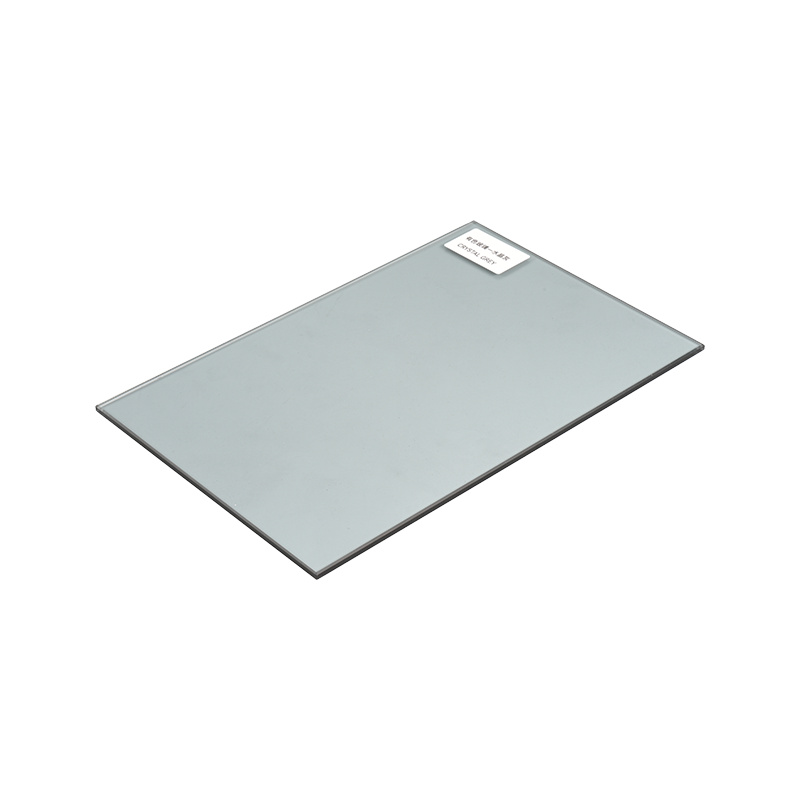
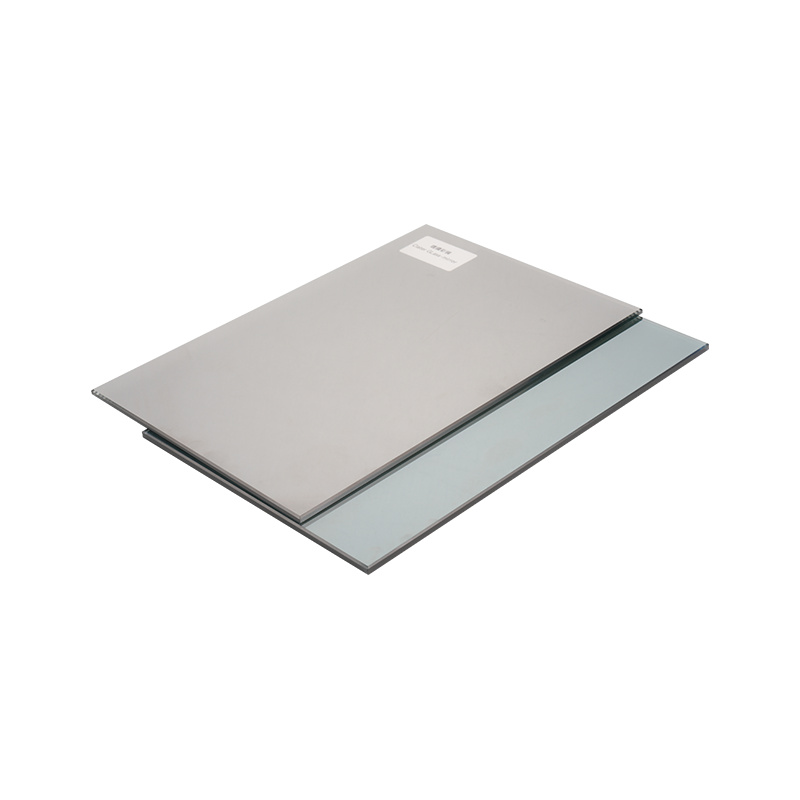
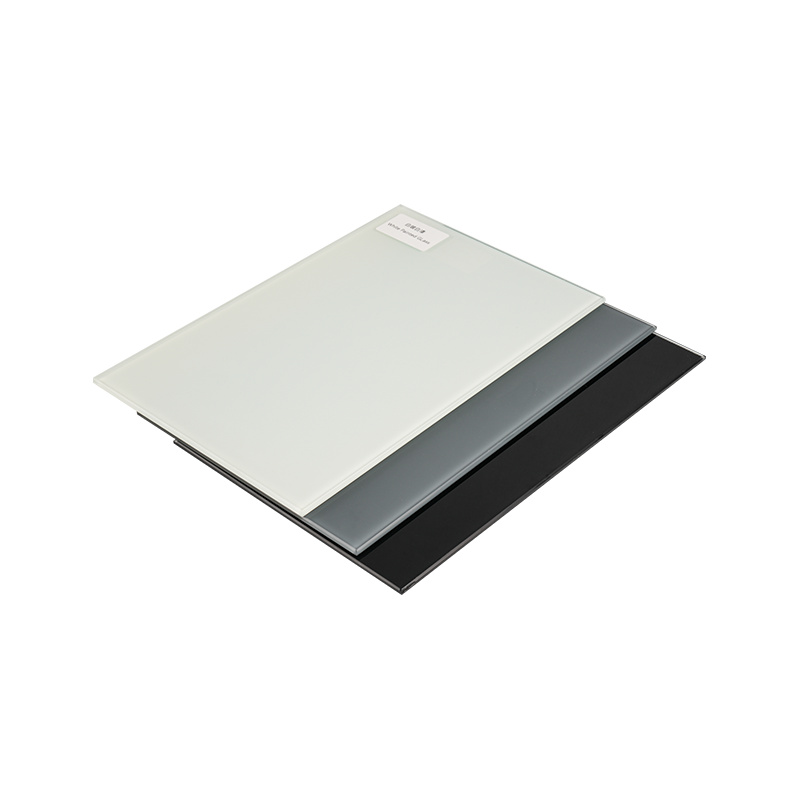 The spray paint color can be chosen by oneself, easy to clean back-painted glass crafts anPainted glass, also known as back painted glass, is coated with a special coating on the surface of tempered glass. Through high-temperature baking, the coating and gl...View Product →
Suppliers that run both tempering and paint lines, such as Zhejiang MingDing Glass Technology Co., Ltd. (MD Glass), can control color consistency and safety certification in one factory, which shortens lead times and reduces batch mismatch between glass and coating.
Why Tempering Changes the Safety Profile of Coated Panels
Tempering is the step that separates decorative painted glass from glass that is allowed in vertical safety glazing. Tempered glass carries a surface compression of at least 69 MPa under EN 12150 or 10,000 psi under ASTM C1048, giving it four to five times the impact resistance of annealed glass of identical thickness. When it does break, it fragments into small, blunt pieces rather than long shards, which is why building codes accept it for shower screens, balustrades, and door panels.
4-5x Higher impact resistance than annealed glass of the same thickness, verified under EN 12150 and ASTM C1048 test methods.
The fragmentation behavior and production details matter for specifications: our technical guide to how tempered glass is made and what makes it safe walks through the heating and quenching physics behind that result. For export orders, also ask for 3C, CE, and SGS documentation; a reliable manufacturer should provide test certificates with each batch.
Coating Systems for Back Painted Tempered Glass: What Controls Color Lifespan
Coating quality determines whether a colored panel keeps its gloss and color for a decade or starts to fade after two seasons. The two dominant coating families are organic paints, typically polyester or polyurethane, and ceramic kiln-fired coatings. Organic paints are applied as a wet film and oven-cured; ceramic coatings contain glass frit that fuses into the glass surface at high temperature, delivering superior UV and chemical resistance.
| Coating system | Dry film thickness | UV resistance | Chemical resistance | Typical use |
| Liquid polyester or PU paint | 25-60 micrometers | Moderate to high | Good with clear topcoat | Splashbacks, shower walls, furniture fronts |
| Ceramic kiln-fired coating | 30-80 micrometers | High | Excellent | Exterior cladding, hotel corridors, high-traffic walls |
| Silk-screen printed layer | 10-40 micrometers | Varies with ink | Good | Logos, lines, decorative patterns |
Specifiers should ask for cross-cut adhesion test results and a measured color delta E against the signed master sample. A batch without these records is a batch without a quality baseline.
Four Application Scenarios That Put Coated Tempered Glass to Work
Back painted tempered glass earns its place on vertical surfaces where color continuity, cleanability, and safety are all in play. The four most common specification scenarios are:
Kitchen splashbacks
5 mm or 6 mm panels create a seamless, grout-free surface behind cooktops and sinks. The coating sits on the protected side, so oils and acidic splashes never touch the paint.
Shower walls and wet rooms
6 mm to 8 mm panels with water-repellent paint handle constant humidity. Tempered construction meets safety requirements for door and partition glass.
Furniture and cabinet fronts
4 mm or 5 mm panels suit wardrobe doors, table tops, and shelving. A protective edge strip is recommended where the painted rear face is exposed.
Retail and hotel interiors
6 mm ceramic-coated panels resist scuffs and cleaning chemicals in corridors, receptions, and food-service areas.
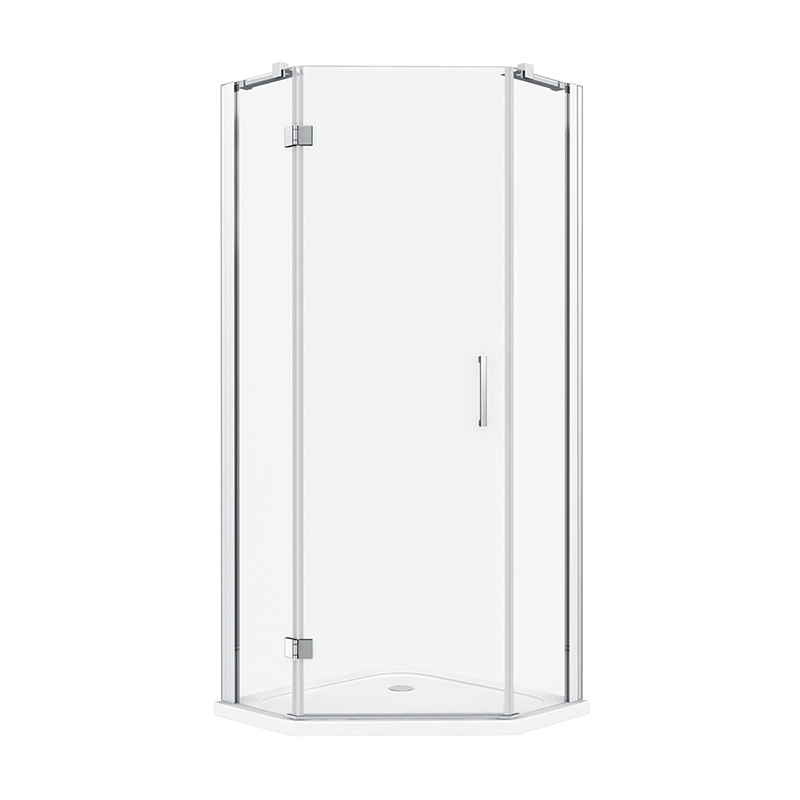
Shower screens are the most direct example: colored tempered glass screens combine the impact safety rating with a factory-applied paint layer that resists humidity and cleaning cycles.
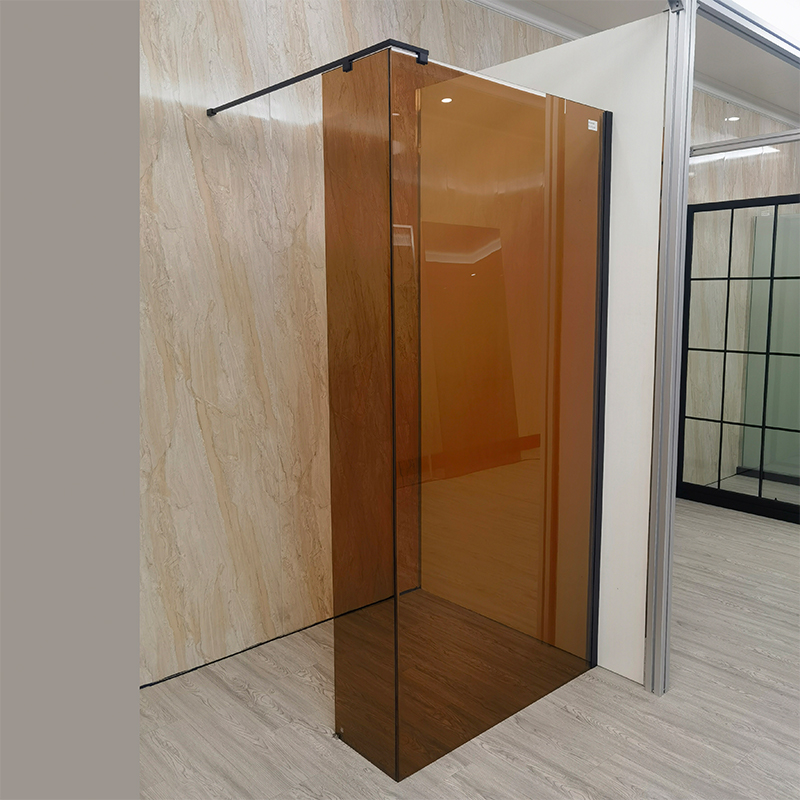 Colored tempered glass brown glass/blue glass easy to clean rain shower screenTinted tempered glass shower screens, especially tea glass and blue glass styles, have better stability and durability. It's colorful and long-lasting and doesn't fade...View Product →
Back Painted Tempered Glass Ordering Specs: Thickness, Holes, and Tolerances
Every custom order can be defined by four measurable groups: glass thickness, panel size, hole pattern, and edge finish. Getting them wrong leads to broken units, field-fit failures, or color disputes. The table below shows common starting points, though tempering furnace size and coating line width ultimately set the maximum panel.
| Nominal thickness | Standard max panel | Typical applications |
| 4 mm | 1500 x 1200 mm | Cabinet doors, small splashbacks |
| 5 mm | 2400 x 1800 mm | Residential splashbacks, shower panels |
| 6 mm | 2400 x 1800 mm | Shower walls, commercial wall cladding |
| 8 mm | 2400 x 1800 mm | Large shower enclosures, partitions |
| 10-12 mm | 2400 x 1800 mm | Tabletops, structural screens |
Hole and notch rules follow the same logic in every tempering plant: a minimum hole diameter of 5 mm, a minimum edge distance of about six times the glass thickness from a hole edge to the panel edge, and minimum spacing between adjacent holes of roughly four times the thickness. Ask the supplier to confirm your shop drawing before production.
A 6 mm back painted tempered glass panel weighs about 15 kg per square meter. Plan handling, wall brackets, and two-person lift procedures accordingly.
Where a colorless or ultra-clear base is preferred, standard clear tempered panels can accept the same back-painted coating systems, so the final color stays true and bright.
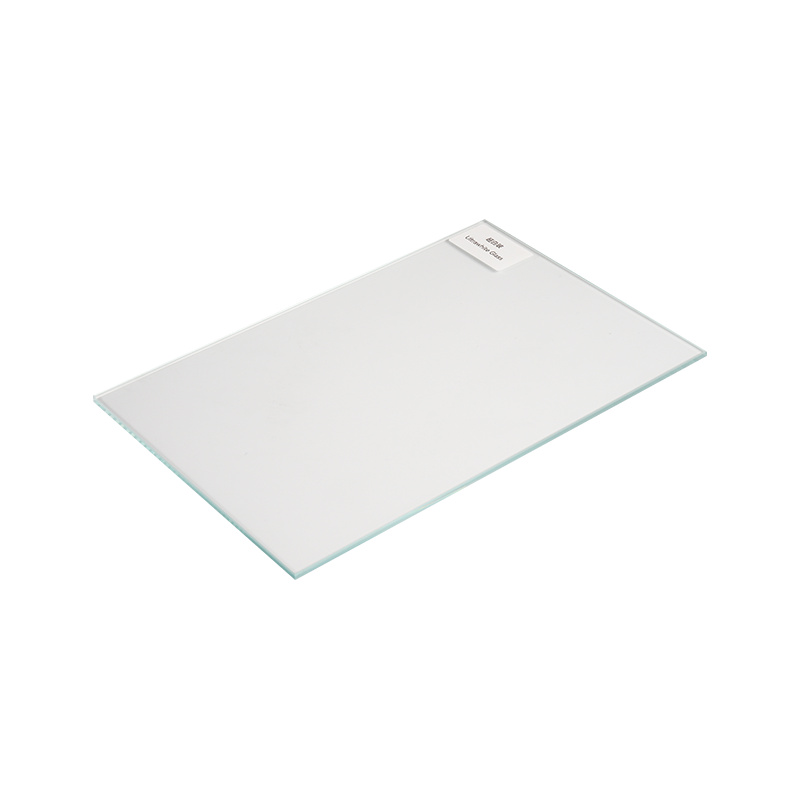 Tempered shower room glass white transparent glass/Clear glassHigh hardness, high temperature resistance, and high safetyView Product →
Supply tip
Order one spare panel for every ten in the same color batch and label spares with the batch number. Color is batch-controlled; a re-order months after installation can show a small delta E shift.
Back Painted Glass vs. Tile vs. Acrylic: Cost-Performance Check
On an installed per-square-meter basis, back painted tempered glass sits above standard ceramic tile and below engineered acrylic panels, but it wins on joint-free area, installation speed, and cleanability. The trade-offs look like this:
Where coated glass wins
- No grout lines and fewer joints on large spans
- Full color customization with gloss or matte finish
- High scratch resistance and easy neutral-pH cleaning
- Safety-glass behavior when tempered
Where you must plan around it
- No on-site cutting or drilling after tempering
- Exact field measurement required before ordering
- Painted rear face needs edge protection on exposed edges
- Larger panels need heavier fixing hardware
Installation crews recommend factory-polished edges and a corner radius of at least 2 mm; sharp corners chip during transit and handling.
Cleaning and Long-Term Maintenance of Coated Panels
Back painted tempered glass needs no sealing, no polishing, and no grout maintenance; routine care is a neutral-pH glass cleaner and a soft cloth. The practical rules are simple:
- Wipe with a damp microfiber cloth and a neutral cleaner, then dry with a squeegee in shower areas to reduce limescale.
- Avoid abrasive pads, strong alkaline degreasers, and solvents near the panel edges, where the coating is exposed.
- Cap or seal exposed edges at installation to prevent moisture from reaching the painted rear face.
For shower-specific routines, see our maintenance tips for cleaning and maintaining a shower.
A simple weekly squeegee routine keeps a back painted shower wall looking new for years; the coating is rarely the weak point, the sealant lines are.
Frequently Asked Questions
Can back painted tempered glass be used outdoors?
Yes, when the coating is a ceramic kiln-fired system and the glass edges are protected from water ingress. Ceramic coatings tolerate UV exposure far better than organic paints. For exterior facades or balcony screens, specify the edge seal and gasketing so moisture cannot reach the paint layer through the cut edges.
What thickness of back painted tempered glass should a splashback use?
5 mm is the most common specification for residential kitchen splashbacks and shower panels; 6 to 8 mm suits larger commercial walls or panels wider than 900 mm. Moving from 5 mm to 6 mm also reduces visible bowing on large panels because the glass gains stiffness.
Can back painted tempered glass be drilled after tempering?
No. Tempered glass cannot be cut, drilled, or edge-processed after heat treatment; any attempt shatters the panel. All holes and cutouts must be made before tempering, which is why the supplier needs a shop drawing with exact hole centers and diameters before production begins.
How is color consistency controlled between production batches?
Color consistency is managed with a signed master sample, a spectrophotometer, and a documented delta E tolerance. For large projects, order all panels in one batch and keep spare panels from that same batch labeled with the batch number, because a later re-order may show a small color shift.