

 中文简体
中文简体A hail storm cracked a third-floor stairwell panel across its full width, yet the glass stayed in the frame, held by a transparent interlayer, and the building stayed weathertight until the replacement arrived. That controlled failure is the defining behavior of laminated safety glass: it is engineered to remain in place when broken, not merely to fall apart into safer-looking fragments.
This is a procurement-focused guide. It explains how laminated safety glass is constructed, how PVB, EVA and SGP interlayers compare, what the performance numbers mean, and the specification checks to run before ordering. Most specification errors happen at the ordering stage, not during installation.
What Is Laminated Safety Glass?
Laminated safety glass is a composite of two or more glass plies permanently bonded by a plastic interlayer, so that on breakage the fragments stay adhered and the panel keeps its structural shape.
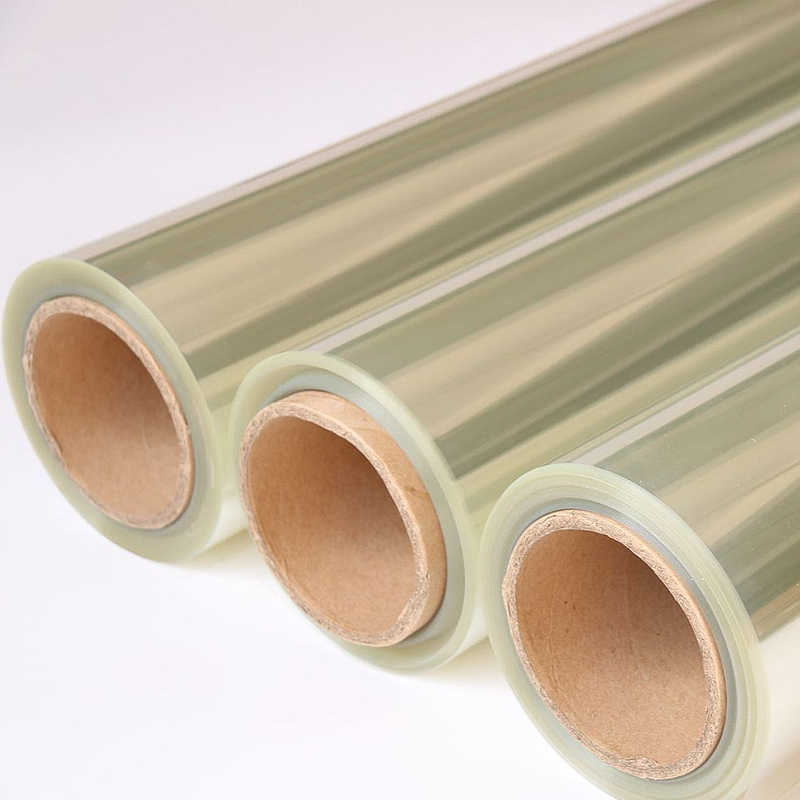
The base glass can be annealed, heat-strengthened or fully tempered. The interlayer is usually polyvinyl butyral (PVB) supplied in 0.38 mm films, stacked to 0.76 mm, 1.14 mm or 1.52 mm. The stack passes through a roller press for initial tacking, then into an autoclave, where heat and pressure fuse the interlayer to the glass.
Controlled failure is the point: fragments stay bonded to the interlayer, the panel stays in the frame, and the opening stays closed until replacement. That single property separates laminated safety glass from ordinary glass on the same impact test.
Two behaviors define the product:
- Retention: broken glass adheres to the interlayer instead of dropping out of the frame.
- Residual strength: a cracked panel keeps supporting itself and blocks wind and rain until it is replaced.
PVB, EVA and SGP Interlayers for Laminated Safety Glass: How to Choose
Interlayer choice decides impact strength, edge durability and cost, so it is the first specification to lock down.
PVB is the default for architectural glazing because it offers high optical clarity, predictable sound damping and the most mature supply chain. EVA adheres strongly to textured and wired glass, resists edge moisture better, and is the standard choice for decorative and shower-room panels. SGP, an ionomer interlayer, delivers roughly four to five times the tear strength of PVB at the same thickness.
| Property | PVB | EVA | SGP |
| Typical use | facades, windows, skylights | decorative and wired glass, wet areas | balustrades, structural glazing |
| Relative tear strength | 1x | 1.2x | 4-5x |
| Optical clarity | high | moderate | very high |
| Edge stability in humidity | fair | good | excellent |
| Cost profile | lowest | moderate | highest |
Rule of thumb: PVB for clear architectural glass, EVA for textured, wired and wet-area glass, SGP where the interlayer must carry structural load.
For a deeper look at how these interlayers change acoustic behavior, read our article on laminated safety glass interlayer options. On orders involving wired or coated glass, EVA is usually the safe call. At Zhejiang MingDing Glass Technology Co., Ltd. (MD Glass), the film type, thickness and edge finish are confirmed on one datasheet, so the interlayer choice never falls between a glass supplier and a laminator.
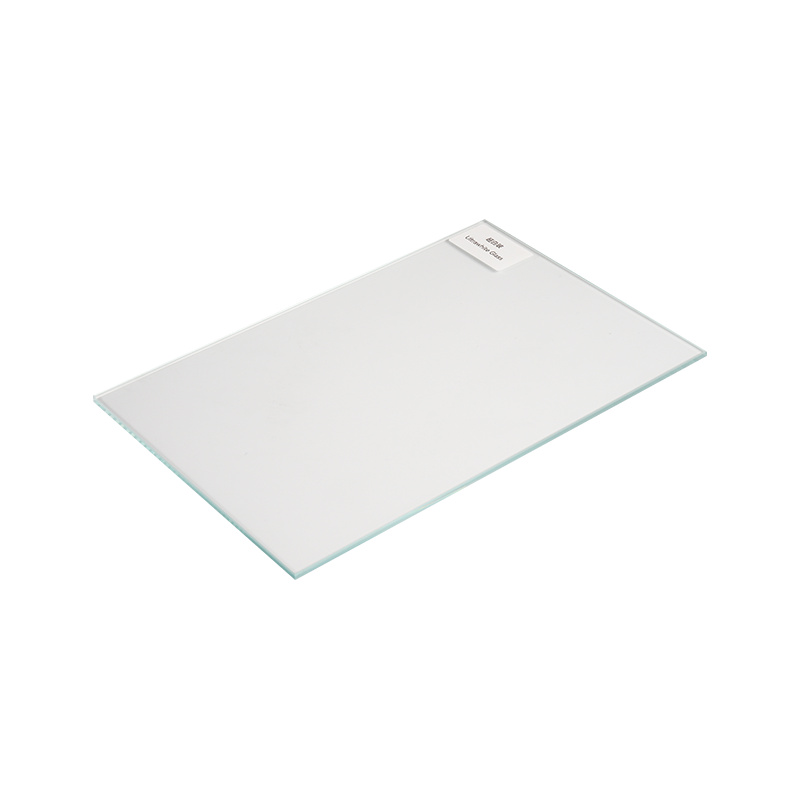
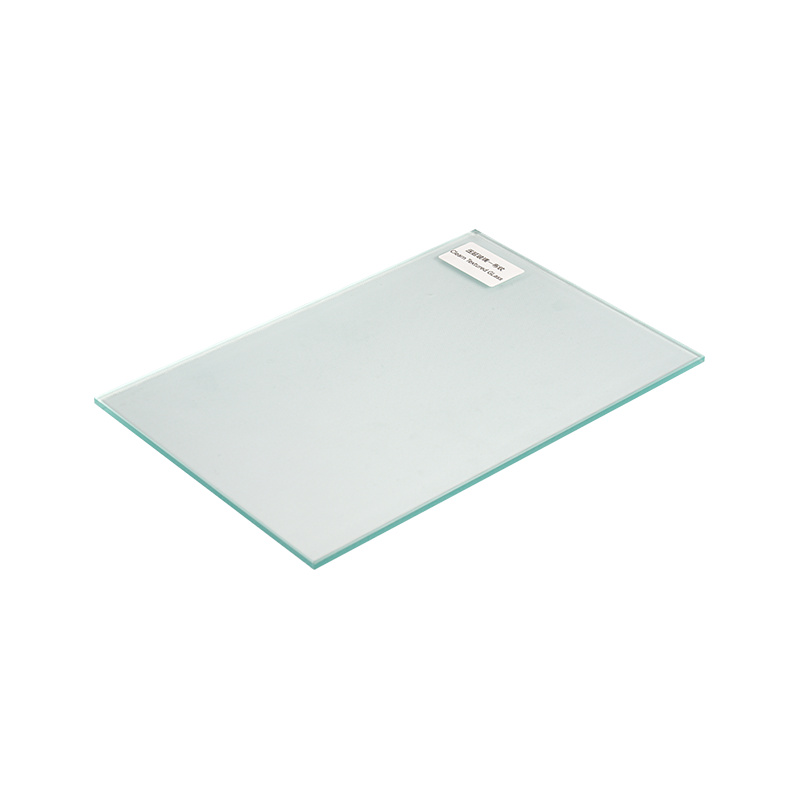
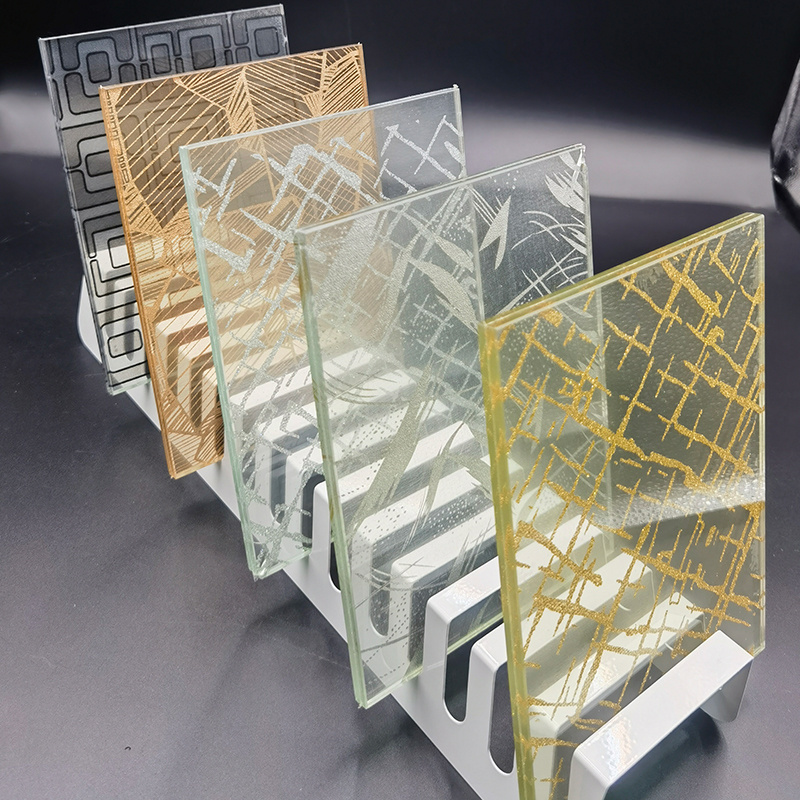 PVB/EVA/SGP Laminated Glass with Custom Textures and Wired OptionsThis laminated glass offers multiple interlayer films, custom patterns, and wired reinforcement. It holds glass fragments on impact, reduces noise, and blocks UV, making it a practical choice for facades, windows, and partitions.View Product →
Sound, UV and Impact: What the Numbers Actually Say
A correctly specified laminated panel measurably reduces noise and blocks nearly all UV while holding broken glass in place, and the gains follow published data.
The weighted sound reduction index (Rw) is the clearest number to compare glazing builds. These typical values come from published glazing tables:
Values are typical Rw figures from glazing test reports; actual ratings depend on glass weight, interlayer type and frame construction.
In practical terms: a 6.38 mm laminated PVB build is about 5 dB quieter than a 6 mm monolithic pane, it blocks 99% of the UV radiation that fades fabrics and flooring, and its fragments stay bonded on impact.
The two failure modes matter more than any single test number:
Tempered behavior
Tempered glass breaks into blunt granules that cascade out of the opening when the frame is struck. It passes impact standards by fragment size, but it leaves a security hole.
Laminated behavior
Cracked laminated glass stays in the rebate, maintains wind resistance and keeps access blocked until the frame is opened. Facades commonly use tempered glass with a laminated inner pane to get both behaviors.
Thickness, Standards and Specification Checks for Laminated Safety Glass
Every laminated safety glass order locks four parameters: glass thickness, interlayer type, interlayer thickness and the applicable standard, and each one changes price and lead time.
- Total build: 6.38 mm (3 + 0.38 + 3) is the lightest common safety build for interior doors and partitions; 8.38 mm and 10.38 mm suit larger panels and wind-loaded facades; 12.38 mm and above go into balustrades and overhead glazing.
- Interlayer type: PVB for clear architectural glass, EVA for textured, wired or humid-room glass, SGP where the interlayer must carry load, such as glass fins and balustrade rails.
- Interlayer thickness: 0.38 mm is the legal minimum for safety glazing in most jurisdictions; 0.76 mm is the standard for vertical glazing; 1.52 mm is specified for overhead and security applications.
- Certification: EN 14449 and EN 12600 in Europe, ANSI Z97.1 and 16 CFR 1201 in North America, and GB 15763.3 with China Compulsory Certification in China. Ask the supplier for test certificates that match your project code.
Ordering checklist: confirm the glass type and thickness per ply, interlayer type and thickness, edge finish (ground or polished), size and squareness tolerance, and the certification standard. A written datasheet confirmation beats a verbal quote.
| Region | Standard | What it covers |
| Europe | EN 14449 / EN 12600 | Impact safety and classification of glass in buildings |
| North America | ANSI Z97.1 / 16 CFR 1201 | Impact performance and glazing in hazardous locations |
| China | GB 15763.3 / 3C | Mandatory certification for laminated safety glass |
Where Laminated Safety Glass Makes Sense in a Building
Use laminated glass wherever falling glass would injure people, or where security and noise control matter more than simple fragment containment.
- Skylights and glass roofs: overhead glazing must retain glass after breakage; most building codes require laminated glass for overhead installations even when the base ply is tempered.
- Balustrades and glass floors: structural builds with SGP treat the interlayer as a load-bearing element, so a cracked panel still protects people on stairs and landings.
- Shopfronts and partitions: a 1.52 mm PVB interlayer buys real anti-burglary time, and EN 356 attack classes run from P1A up to P8B for higher-risk facades.
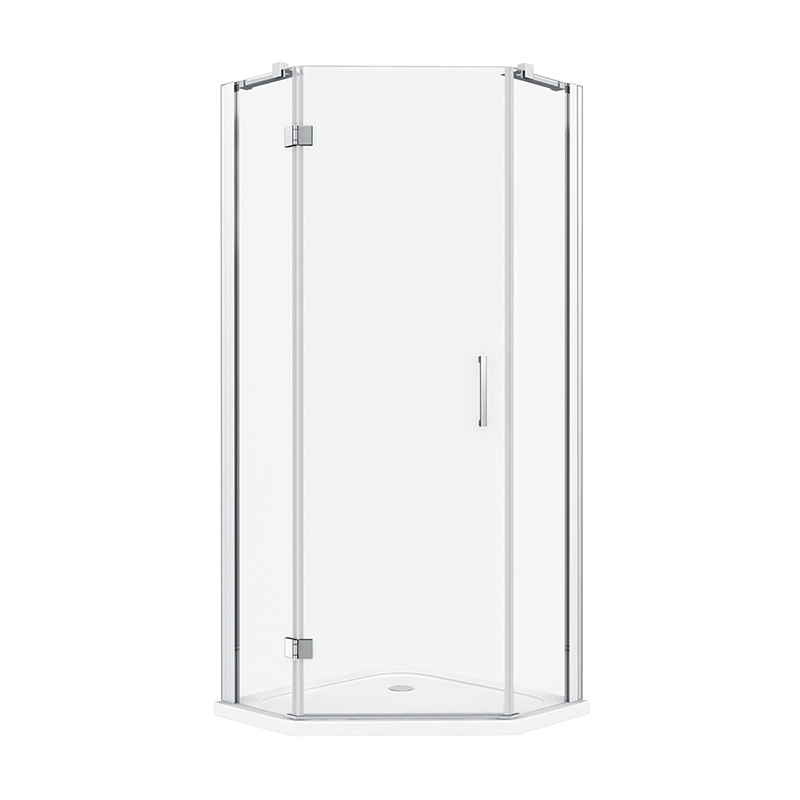
- Shower enclosures and wet rooms: EVA-film laminated and wired laminated glass resists edge moisture that can delaminate standard PVB, while keeping the space visually open.
- Furniture and appliance panels: table tops, cabinet doors and control panels use the same retention property to limit sharp debris in daily contact.
At Zhejiang MingDing Glass Technology Co., Ltd. (MD Glass), the product range covers tempered, tinted, patterned and wired laminated glass built with EVA and PVB films. The Shangyu factory, near the Shanghai and Ningbo ports, has processed glass since 2006 across a 20,000-square-meter plant with about 50,000 tons of annual tempered output. 3C and CE certifications back the safety claims, so interlayer choice, edge work and certification come from one responsible party.
Single-responsibility sourcing: when the same factory laminates, edges and certifies, the liability chain stays short, and that short chain is what protects the buyer when a panel fails.
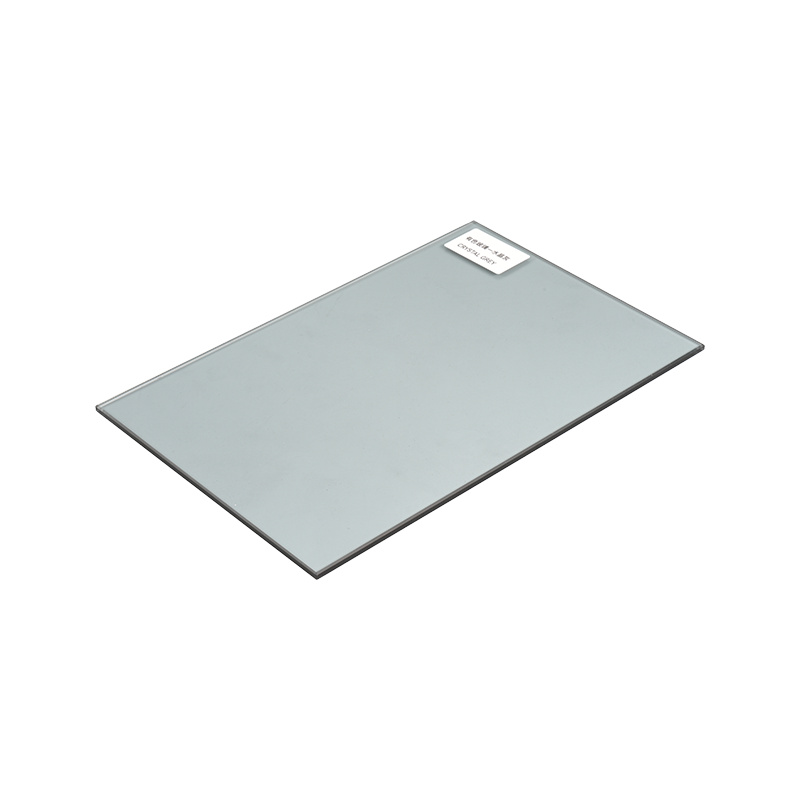
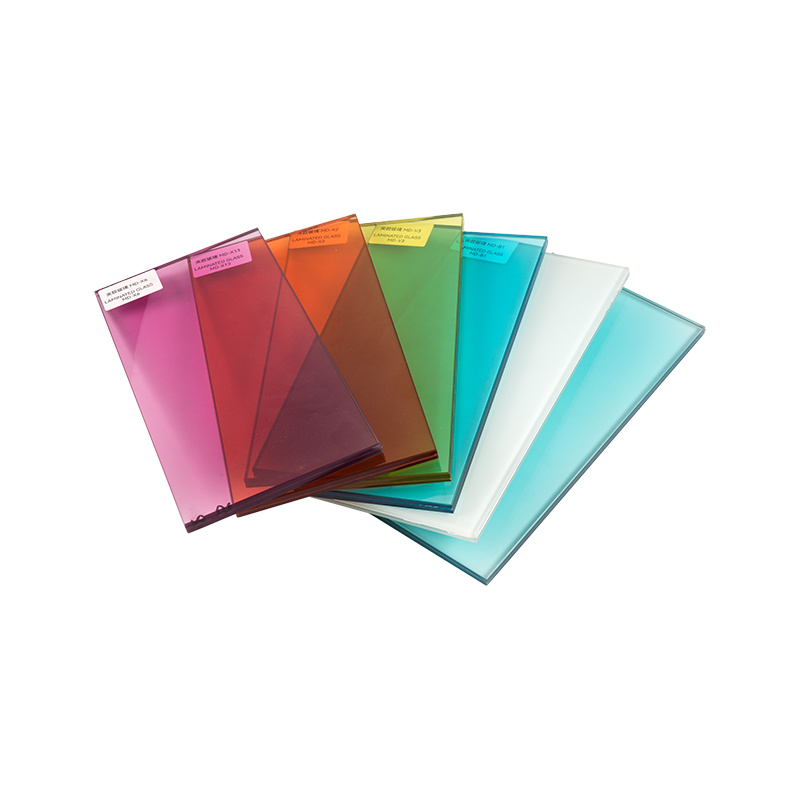 Colorful EVA/PVB Laminated Glass with Radiation ProtectionChoose from a wide range of colored EVA and PVB interlayers to match design needs. The film blocks UV and harmful rays, improves insulation, and keeps shattered glass attached, enhancing safety for both commercial and residential spaces.View Product →
Frequently Asked Questions About Laminated Safety Glass
Four questions buyers ask most often:
Can laminated safety glass be cut on site?
No. Cutting and drilling must happen before lamination, because the edges and holes need clean glass surfaces for the film to bond. Field cutting damages the interlayer edge seal and voids the safety certification.
Is laminated glass stronger than tempered glass?
They solve different failure modes. Tempered glass resists point impact and breaks into small granules, but it falls out of the frame once broken. Laminated glass is not necessarily harder to break, but it stays in the frame, keeps wind and water out, and holds the opening closed. Codes usually require laminated for facades and overhead glazing; tempered is often the accepted minimum for doors and low-level partitions. Premium projects specify both.
What is the minimum laminated thickness for a balustrade?
For residential interior balustrades, 8.38 mm is the lower bound; commercial projects typically call for 10.38 mm; and frameless or wind-exposed installations use 12.38 mm or an SGP-reinforced build. Local structural codes override these defaults, so confirm before ordering.
Does laminated safety glass work in humid shower rooms?
Yes, when the interlayer is chosen for humidity. EVA film resists edge moisture better than PVB, which is why wired laminated and EVA-based panels are used in shower screens. MD Glass supplies EVA-film wired laminated glass for exactly this reason.