

 中文简体
中文简体Consider a hotel bathroom retrofit in the Middle East: the specification team replaced sandblasted panels with an embossed rolled glass that carries a fine linen-like weave. Visible fingerprints dropped, the privacy level stayed identical, and daylight transmission in the shower zone rose from roughly 66% to 74%. Cloth textured glass - a patterned glass whose surface relief imitates woven fabric - is moving through residential and contract projects at a similar pace, because it settles the privacy-versus-light trade-off without the upkeep problems of opaque coatings.
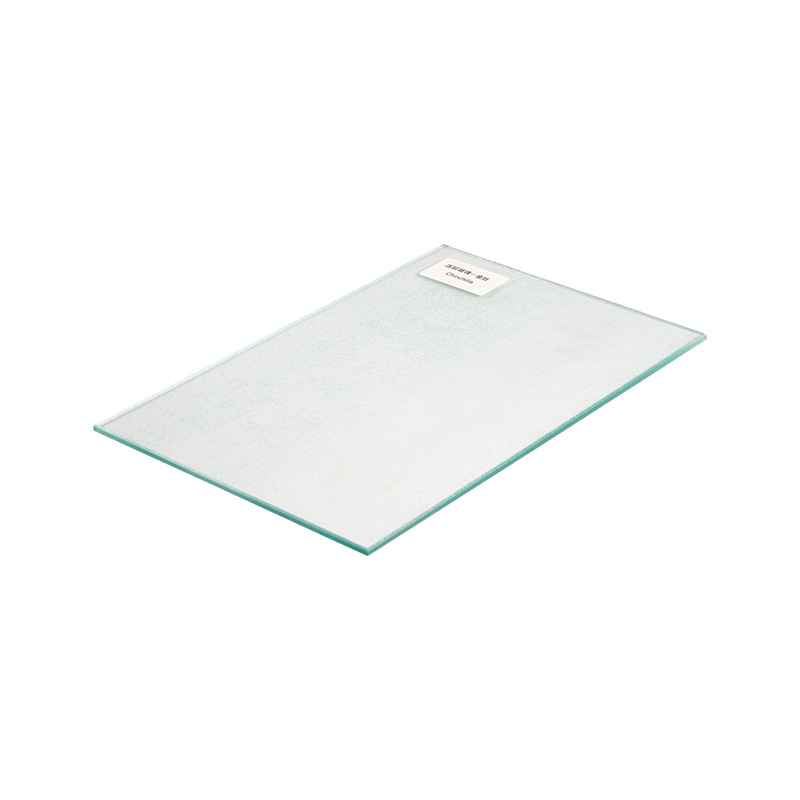
Cloth textured glass is a rolled patterned glass produced by pressing molten glass between embossed rollers, forming a fabric-like relief on one face while the opposite face remains flat enough for tempering or lamination. It is also sold as linen glass, cloth-texture glass, or weave-pattern decorative glass. The relief scatters transmitted light, so the eye registers brightness but cannot resolve detail on the far side of the pane.
Definition: Cloth textured glass is a decorative patterned glass with a rolled, embossed surface that imitates woven textile, engineered to transmit diffused light while obscuring visual detail beyond the pane.
How Cloth Textured Glass Balances Privacy and Daylight
Cloth textured glass transmits 72-78% of visible light at 4-6 mm thickness, against 89-91% for clear float glass and roughly 65-70% for sandblasted or acid-etched frosted glass. That gap of six to ten percentage points is often the difference between a bathroom that needs artificial light during the day and one that does not.
The weave ridges act as thousands of small lenses. Each ridge refracts light at a slightly different angle, blurring contours from roughly 150 mm behind the pane onward. At a distance of two meters, an observer sees brightness and movement, not facial features or body outlines. That satisfies shower privacy while keeping the cubicle naturally lit.
The embossed surface also hides handling marks. Skin oils and water droplets settle into the texture valleys in a diffuse pattern instead of streaking across a flat plane, which is why cloth-patterned panels outlast polished surfaces in high-traffic shower rooms and hotel guest bathrooms.
Cloth Textured Glass Pattern Families and How to Choose
Patterned glass production lines run several embossed designs that read as textile at architectural distances, and each family changes how the pane behaves optically and practically. Matching the weave to the application matters more than the aesthetic alone.
- Cloth-like linear weave: fine, tightly spaced ridges that imitate plain-weave linen or cotton; the default for shower screens and partition doors.
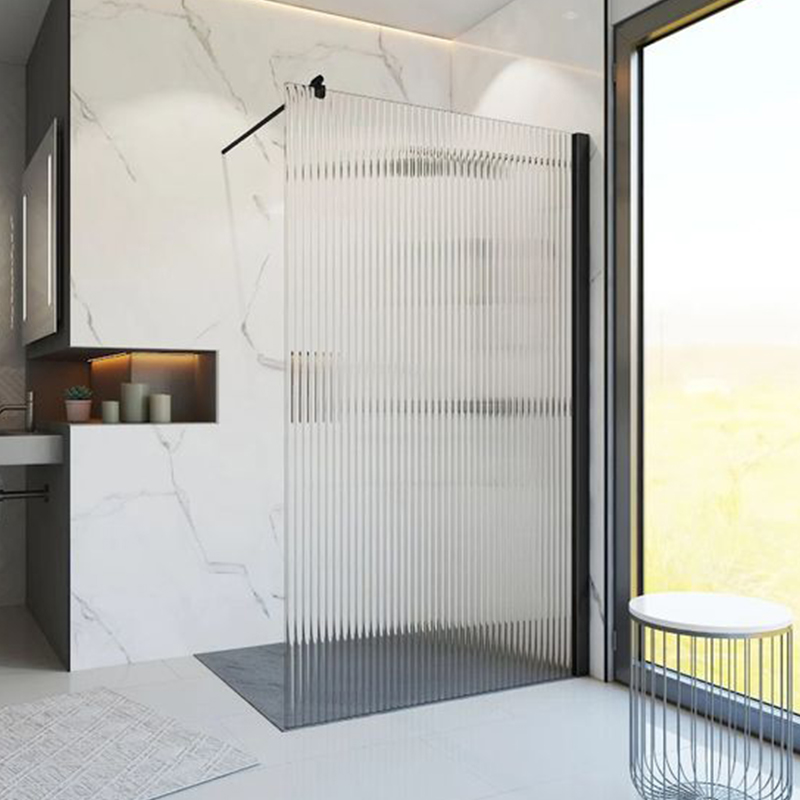
- Reeded or fluted lines: wider vertical channels with a corrugated profile, selected when a directional texture is wanted to stretch the visual height of a room.
- Water-textured panels: irregular organic ripples that evoke silk or a liquid surface, preferred for cabinet doors and furniture fronts.
- Pear or Nashiji finish: a fine stippled grain with a soft three-dimensional matte look, positioned midway between acid-etched frost and a visible press pattern.
- Gold-wire or chinchilla pattern: a criss-cross mesh with a subtle shimmer, chosen for decorative partitions and feature walls.
The cloth-like clear texture produced by Zhejiang MingDing Glass Technology Co., Ltd. (MD Glass) is available in 4-10 mm thicknesses and can be tempered or laminated.
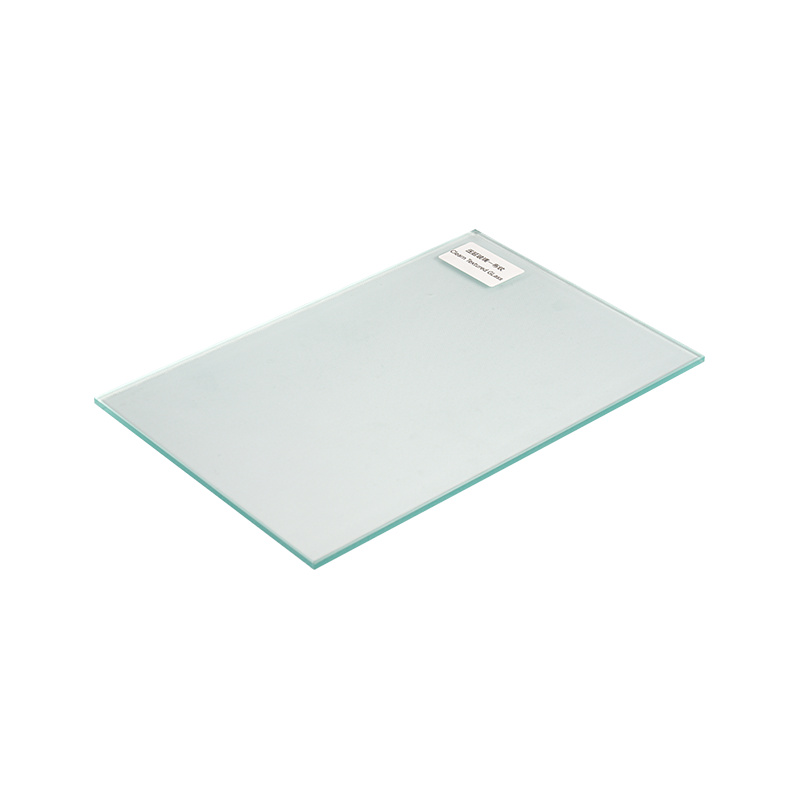 Cloth-Like Textured Glass for Shower Rooms and Decorative UseThis 4-10 mm patterned glass carries a permanent cloth texture that softens reflections and adds privacy. Its embossed surface resists water and humidity, making it suitable for shower enclosures, partitions, and furniture fronts.View Product →
For cabinetry, the water-textured sheet produces a softer organic reflection that keeps fingerprints invisible on sideboards, wardrobes, and display cases. The wider role of cloth textured glass in interior design is examined in our patterned glass applications review.
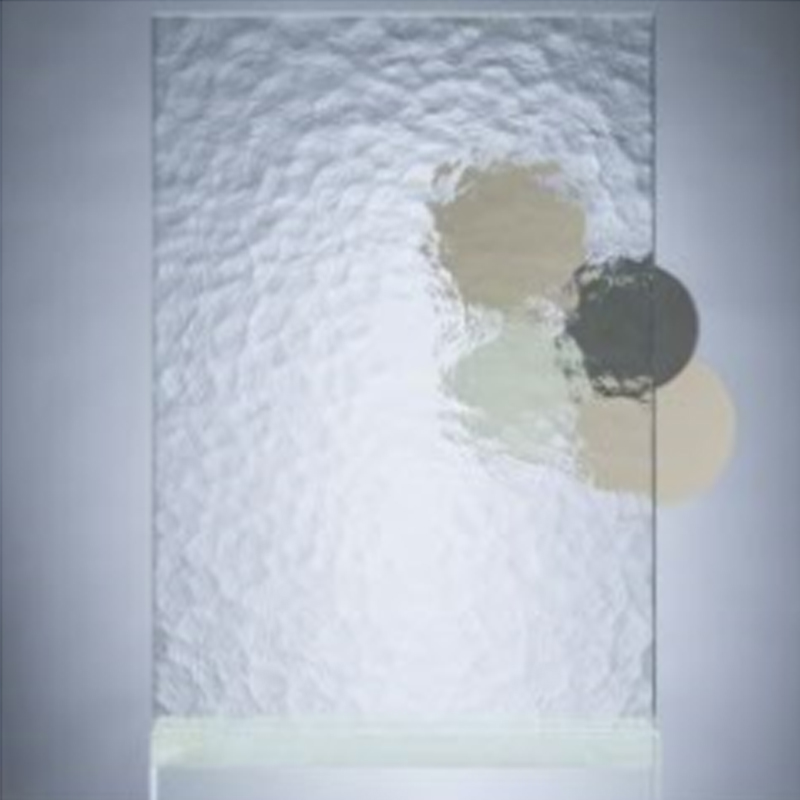 Water Textured Embossed Glass for Cabinets and DecorWith a natural flowing water pattern, this 4-8 mm glass creates subtle light effects while obscuring fingerprints on cabinets and sideboards. It balances translucency with privacy, ideal for wardrobes, display cases, and decorative partitions.View Product →
Safety Rules for Cloth Textured Glass in Showers
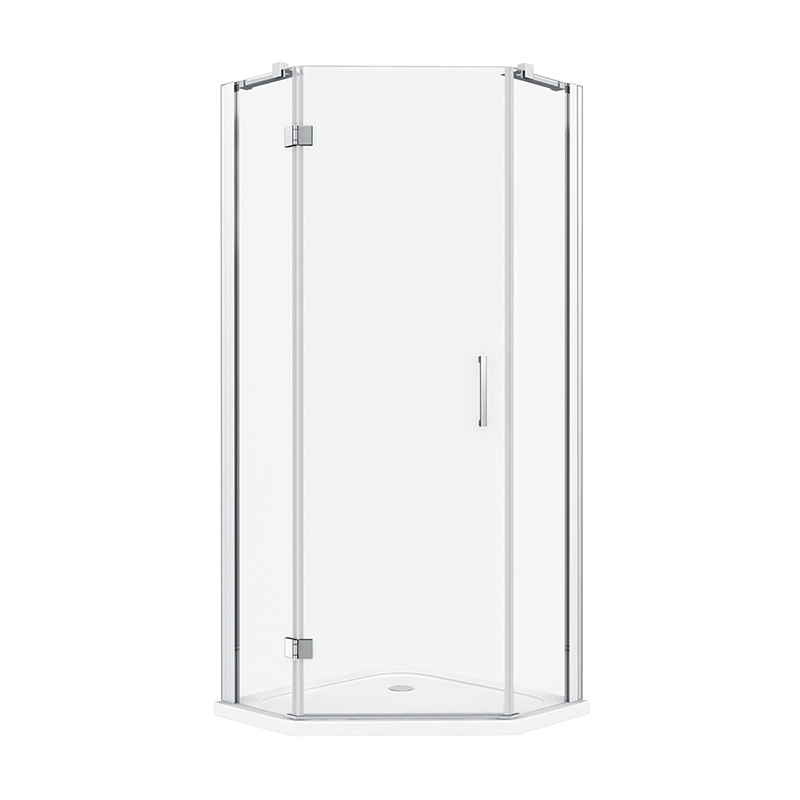
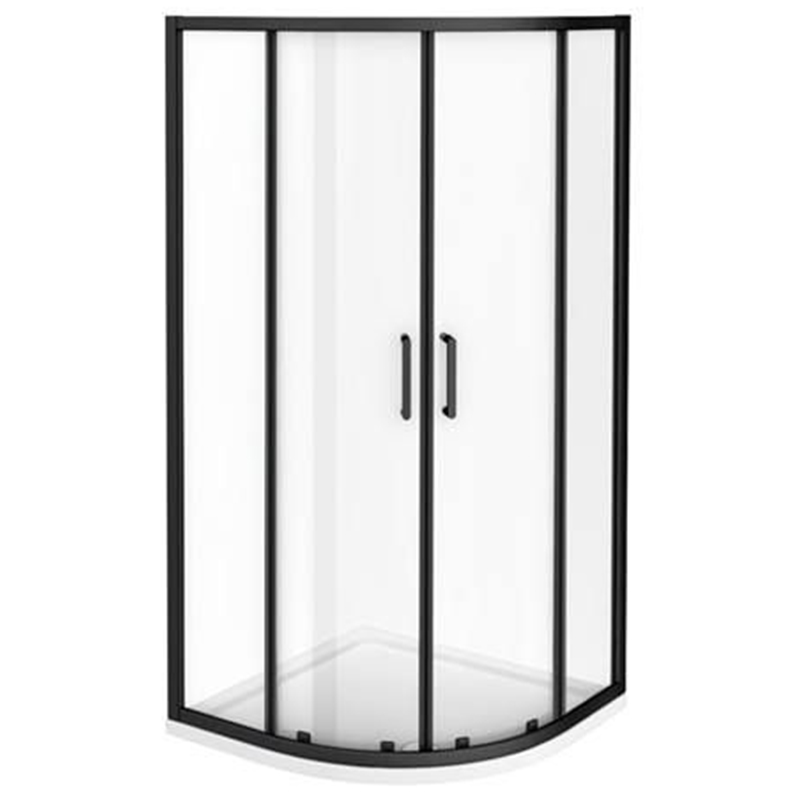
For wet areas, cloth textured glass must be tempered before installation; an untempered decorative panel has no place in a shower enclosure. A 6 mm or 8 mm tempered cloth-patterned panel behaves like any other tempered safety glass: it breaks into small blunt granules rather than jagged shards, and it carries the same edge compression that makes it structurally reliable in framed and frameless systems.
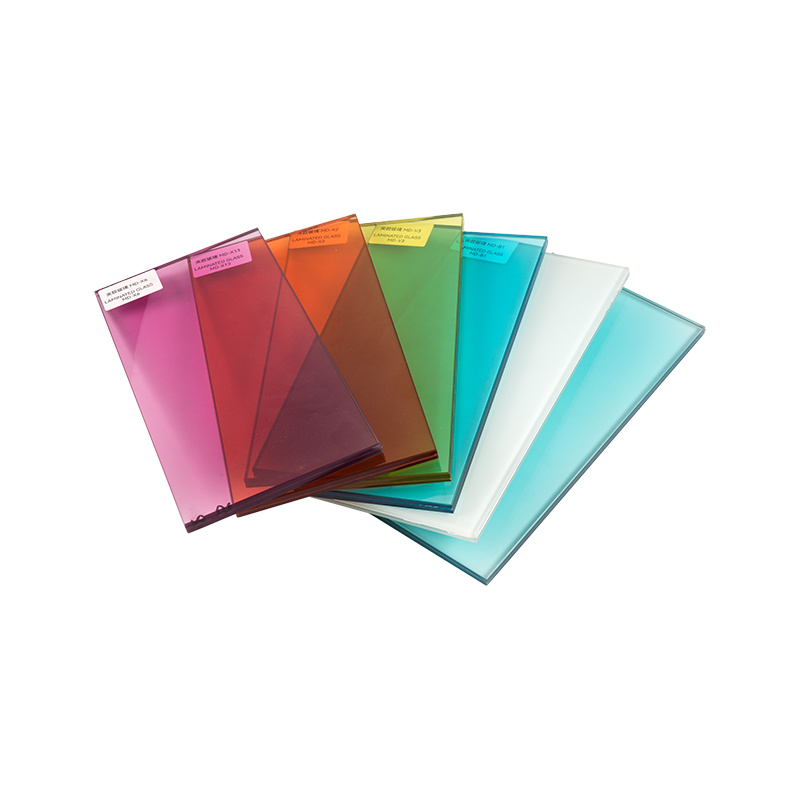
At MD Glass, tempered cloth-patterned production is covered by China 3C certification and European CE marking, with certificates covering 4 mm, 5 mm, 6 mm, and 8 mm nominal thickness. Laminated versions using PVB, EVA, or SGP interlayers add post-breakage retention and acoustic damping, which matters for walk-in showers and panels that extend to the ceiling.
Tempered cloth textured glass breaks into small blunt granules under impact, never into jagged shards - the same safety behavior required of shower glazing in every major building code.
Thickness selection by application
- 4 mm - decorative furniture panels and cabinet inserts where no body impact is expected.
- 5 mm - light partition screens in dry areas and wardrobe doors.
- 6 mm - standard shower screen glass for panels up to 900 mm wide.
- 8 mm - wide or tall panels above 1200 mm where deflection control is critical.
- 6.38-8.76 mm laminated - walk-in showers and overhead glazing where post-breakage retention is specified.
| Property | Clear Float Glass | Frosted / Sandblasted | Cloth Textured Glass |
| Visible light transmission | 89-91% | 65-70% | 72-78% |
| Privacy at 2 m viewing distance | Low | High | High |
| Fingerprint visibility | High | Medium | Low |
| Surface feel | Smooth | Gritty | Fabric-like relief |
| Daily cleaning effort | Moderate | High | Low to moderate |
| Tempering compatibility | Yes | After processing | Yes |
| Typical thickness range | 3-12 mm | 3-12 mm | 4-10 mm |
Specification Guide: Size, Texture Direction, and Finish
Three specification decisions determine whether cloth textured glass performs well on site: correct thickness for the panel width, texture direction relative to sightlines, and the finish of the reverse face.
- Measure the clear opening, not the nominal wall size. Tempered panels cannot be cut after firing, so every dimension must be final before production.
- Decide the texture direction early. Vertical ridges visually lengthen a compact shower; horizontal ridges suit wide partition runs and low transoms.
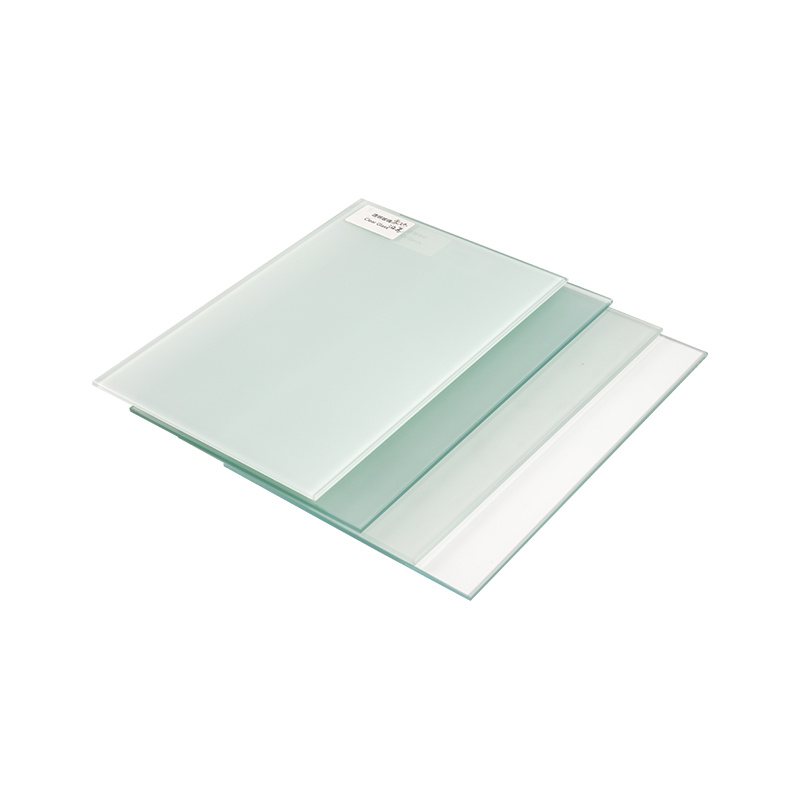
- Select the reverse face finish. MD Glass offers spray-painted and baked-painted finishes in custom colors for an opaque, easy-to-clean back face, plus an oil-sand and frosted translucent spray treatment for a diffused second look.
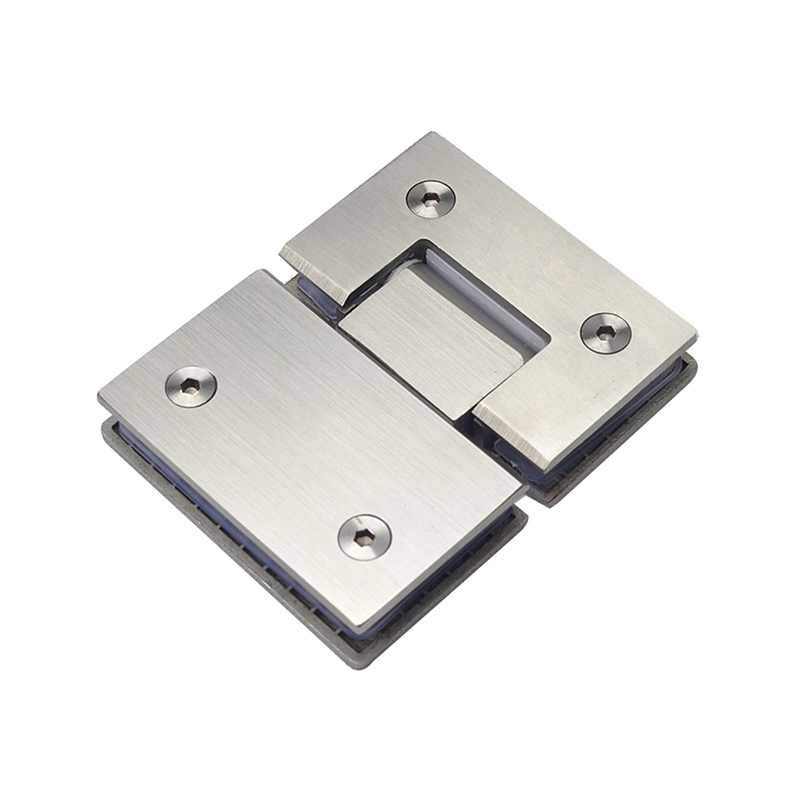
- Confirm corner and edge detailing with the hinge or clamp system. Six-millimeter cloth-patterned panels need hardware matched to the final polished edge and glass thickness.
For reeded and fluted profiles, the wider ridge geometry changes visible reflection lines, making it a strong companion to cloth patterns in the same shower room. A broader methodology for comparing glass families, including tinted and ultra-clear options, is available in our guide to choosing architectural glass.
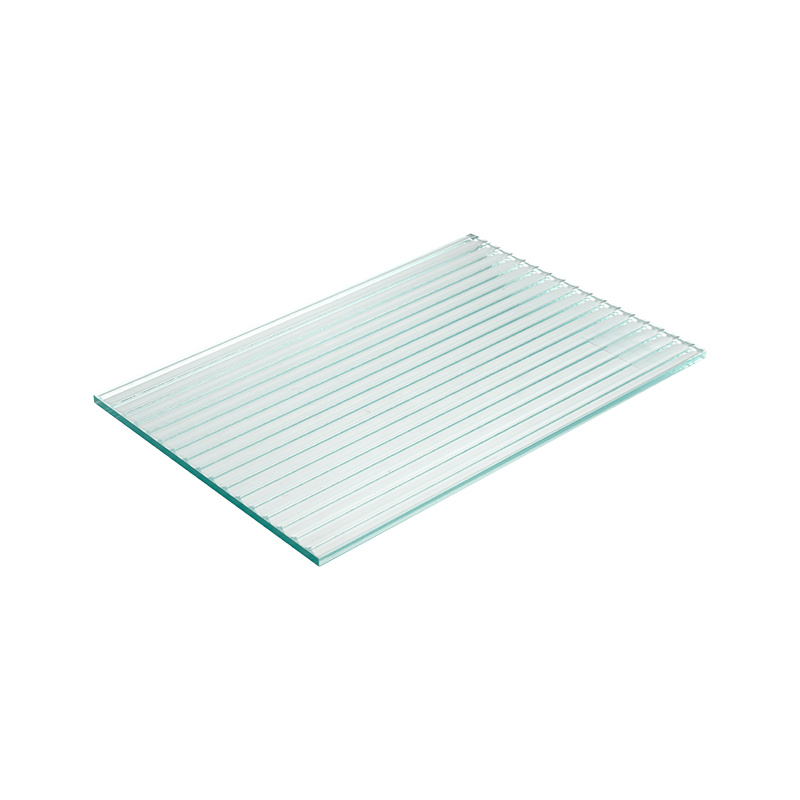 Narrow Reeded and Corrugated Patterned Glass 4-10mmThis fluted glass transmits light while limiting clear visibility through its ridged surface. Available in reeded, corrugated, and other patterns, it offers strength and easy cleaning for shower partitions and home decoration accents.View Product →
Maintenance Realities of Textured Surfaces
Textured glass does not clean exactly like float glass, and the practical difference works in its favor. The same ridges that diffuse light also break up water film, so soap residue and limescale form in a less visible, more evenly distributed layer than on a polished surface.
- Clean with a soft microfibre cloth and mild detergent; the texture traps fewer streaks than a glossy plane.
- Rinse with warm water before wiping to lift soap residue out of the narrow ridge valleys.
- Use a squeegee after every shower on 6 mm panels; this extends the deep-clean interval to roughly three or four weeks.
- Avoid abrasive scouring pads; they can dull the fine ridge peaks over years of cleaning.
- For painted or baked back-painted faces, use pH-neutral cleaners only; alkaline gel removers can attack the paint edge seal.
Cloth Textured Glass FAQ
Is cloth textured glass safe for shower doors?
Yes, when it is tempered and certified. Use 6 mm tempered cloth-patterned glass for typical swing and sliding shower doors, and 8 mm for oversized panels. CE-marked and 3C-certified panels from MD Glass meet the relevant safety requirements for wet-area glazing.
What is the difference between cloth textured glass and frosted glass?
Frosted glass is usually clear glass that has been sandblasted or acid-etched to create a uniform opacity. Cloth textured glass is formed with an embossed roller, producing a repeating weave relief with 72-78% light transmission, several points higher than typical frost, plus a tactile surface that hides fingerprints better.
Can cloth textured glass be laminated?
Yes. Cloth-patterned glass can be bonded with PVB, EVA, or SGP interlayers to produce a laminated panel with post-breakage retention and acoustic damping. Laminated cloth glass is specified for walk-in shower screens, partition rails, and any location where the panel must stay in place after breakage.
What thickness of cloth textured glass should I choose?
Use 4 mm for furniture and decorative panels, 6 mm for shower screens up to 900 mm wide, and 8 mm for panels above 1200 mm. Match the thickness to the hinge or clamp system, because the frame hardware must suit the final glass edge.