

 中文简体
中文简体PVB Embossed Decorative Glass Offers an Unrivaled Combination of Safety, Privacy, and Aesthetics
When evaluating materials for modern interior partitions, facade elements, or specialized architectural glazing, PVB embossed decorative glass stands out as the definitive solution. Unlike traditional monolithic embossed glass that poses significant safety risks upon breakage, this advanced composite material integrates a textured surface with a robust polyvinyl butyral interlayer. The direct conclusion is that PVB embossed decorative glass eliminates the hazard of sharp glass shards while simultaneously delivering complex three-dimensional textures and reliable light diffusion. It bridges the gap between the delicate beauty of artistic glass and the stringent safety requirements of contemporary building codes, making it the most practical choice for high-traffic residential and commercial environments.
Understanding the Core Structure and Manufacturing Process
To appreciate the value of this material, one must understand its composition. PVB embossed decorative glass is a type of laminated glass. It is constructed by bonding two or more sheets of glass together with a flexible, tough plastic interlayer—polyvinyl butyral (PVB). The "embossed" characteristic refers to the textured pattern rolled onto one or both of the outer glass surfaces during the initial manufacturing phase, before the lamination process begins.
The Role of the PVB Interlayer
The PVB layer is the critical component that transforms standard decorative glass into a high-performance safety product. When subjected to high pressure and heat in an autoclave, the PVB melts and flows, adhering permanently to the glass. Even if the outer glass layers shatter under extreme impact, the broken fragments remain firmly bonded to the PVB membrane. This interlayer is capable of absorbing significant impact energy, reducing the risk of penetration and preventing dangerous debris from scattering. Furthermore, the PVB layer provides excellent acoustic dampening by inhibiting the transmission of sound waves, and it blocks the majority of ultraviolet radiation, which prevents the fading of interior furnishings.
Creating the Embossed Texture
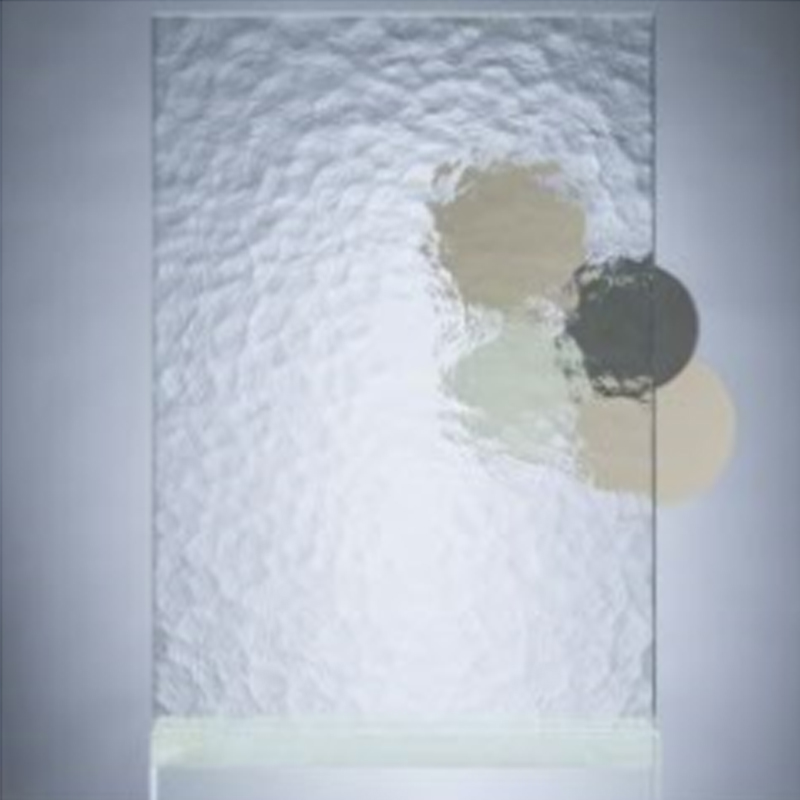
The embossing process occurs when the molten glass ribbon passes through textured rollers on the production line. These rollers imprint a continuous, repeating pattern into the glass surface. The depth and complexity of the pattern can vary significantly, from subtle, barely-there ripples to deep, highly pronounced geometric or organic shapes. Once cooled and cut to size, these textured sheets are carefully paired, assembled with the PVB interlayer, and sent through the laminating autoclave to create the final, unified panel.
Critical Advantages Over Standard Embossed Glass
While standard embossed glass has been used for decades to provide privacy in bathrooms and entryways, its limitations become apparent when safety and structural integrity are prioritized. PVB embossed decorative glass addresses every one of these shortcomings.
| Feature | Standard Embossed Glass | PVB Embossed Decorative Glass |
|---|---|---|
| Breakage Behavior | Sharp, dangerous shards | Fragments stick to the interlayer |
| Impact Resistance | Low | High |
| UV Protection | Minimal | Blocks over 99% of UV rays |
| Sound Insulation | Poor | Excellent acoustic damping |
| Post-Breakage Structural Integrity | None; falls out of frame | Remains in frame as a single unit |
The most significant upgrade is the post-breakage performance. In a commercial setting, such as a hotel lobby or a shopping mall, a shattered standard glass partition instantly creates a security hazard, requiring immediate evacuation and cleanup. In contrast, a PVB laminated panel, even when cracked, stays intact within its frame, allowing the area to remain secure until a scheduled replacement can occur.
Light Diffusion and Privacy Management
The primary reason architects and designers specify embossed glass is its ability to manipulate light. The three-dimensional texture on the surface acts as a series of microscopic prisms and lenses. When direct light hits the surface, it is scattered in multiple directions.
Balancing Illumination and Seclusion
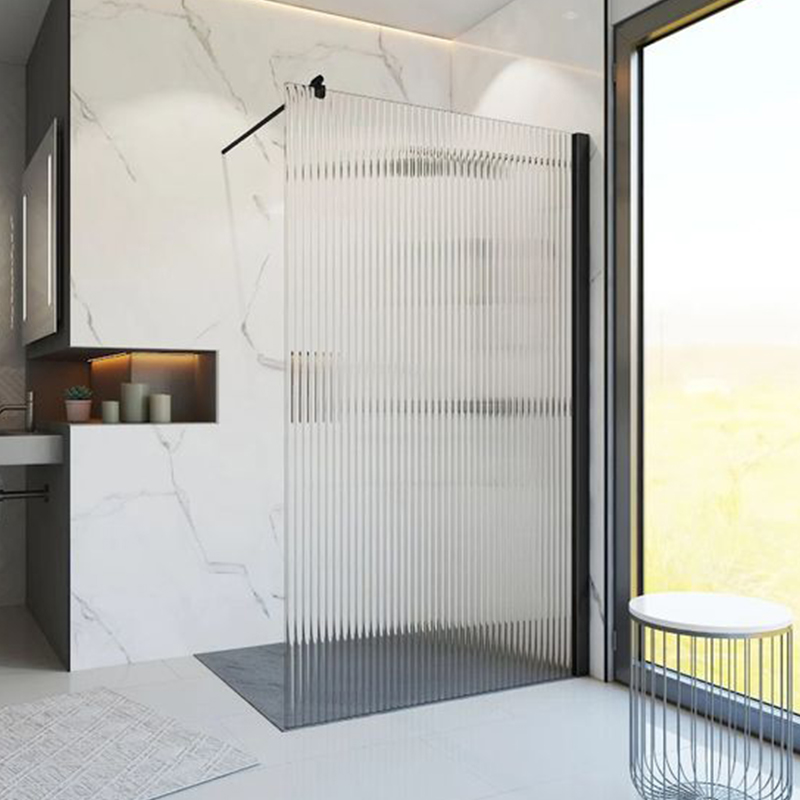
Unlike blinds or curtains that completely block natural light, PVB embossed decorative glass transmits a high percentage of ambient illumination while completely obscuring the shapes and silhouettes behind it. The level of privacy is directly correlated with the depth and density of the embossed pattern. A deep, heavily textured pattern can provide almost complete visual privacy, making it ideal for bathroom enclosures, changing rooms, or medical consultation offices. Conversely, a shallow, widely spaced pattern can offer a gentle softening of the background, suitable for office front doors or interior glass walls where movement detection is still desired.
Eliminating Glare in Workspaces
In modern office environments, glare on computer screens is a major cause of employee discomfort and reduced productivity. Using PVB embossed decorative glass as window glazing or as a screen between workstations diffuses harsh sunlight evenly across the space. This diffused light reduces contrast ratios in the field of vision, significantly minimizing eye strain without resorting to artificial dimming or blackout shades.
Practical Applications in Modern Architecture
The versatility of PVB embossed decorative glass allows it to be utilized across various sectors, adapting to both structural and decorative demands. Its dual nature—being both a safety glazing material and an aesthetic element—makes it highly cost-effective in the long run.
Commercial Interior Partitions
Open-plan offices often require quiet zones or private meeting rooms. Full-height partitions made of this glass provide excellent sound attenuation thanks to the PVB layer, while the embossed texture ensures visual privacy for confidential meetings. The glass maintains an open, airy feeling in the office, preventing the claustrophobia associated with solid drywall partitions.
Hospitality and Retail Environments
Hotels frequently use this material for bathroom enclosures and wardrobe doors. The safety aspect is non-negotiable in public accommodations; if a guest slips and falls against a shower screen, the PVB interlayer prevents lacerations. In retail, embossed glass is used for storefronts and display case dividers. It allows passersby to see that a store is illuminated and active, while creating a sophisticated, frosted backdrop that highlights the merchandise in the foreground without revealing the back-of-house storage areas.
Residential Safety and Style
In residential homes, this glass is the premier choice for staircases, balustrades, and skylights. Building codes strictly mandate safety glazing in these locations due to the risk of human impact. By choosing a PVB embossed product, homeowners do not have to sacrifice decorative appeal to meet safety regulations. It is also increasingly used in kitchen cabinetry, where it serves as an elegant backsplash or cabinet door that hides clutter while catching and diffusing under-cabinet lighting beautifully.
Customization Options for Design Flexibility
The aesthetic potential of PVB embossed decorative glass extends far beyond the standard patterns found in hardware stores. The manufacturing process allows for extensive customization to meet specific architectural visions.
- Color Integration: The PVB interlayer itself can be dyed in a wide spectrum of colors. When combined with a clear or lightly tinted embossed glass outer layer, the resulting panel exhibits a rich, uniform color that does not fade, peel, or degrade over time.
- Digitally Printed Interlayers: Advanced manufacturing now allows for high-resolution digital imagery to be printed directly onto the PVB interlayer before lamination. This means a custom graphic, a company logo, or a complex artistic pattern can be encapsulated safely between two sheets of embossed glass, protected from scratches and wear.
- Variable Texture Depths: Custom rollers can be engineered to produce proprietary embossed patterns with specific depths tailored to the exact light-transmission and privacy requirements of a project.
- Combination with Smart Glass: In ultra-modern installations, the PVB interlayer can be combined with switchable smart film technologies, allowing a glass partition to transition from a transparent state to a private, embossed, opaque state with the flip of a switch.
Installation Considerations and Best Practices
Proper installation is crucial to ensure that PVB embossed decorative glass performs as intended. Because it is a laminated product, it behaves differently than standard float glass during cutting, handling, and framing.
Handling and Edge Preparation
Laminated glass is heavier than monolithic glass of the same thickness due to the additional PVB layer. Installers must use appropriate lifting equipment and vacuum cups rated for the specific weight. The edges of laminated glass should always be ground and polished. Sharp, unpolished edges can delaminate over time, allowing moisture to penetrate the interlayer. Ensuring a perfectly sealed edge is vital because prolonged exposure to standing water or high humidity is the primary cause of PVB edge delamination.
Framing Systems
The framing system must accommodate the thickness of the laminated panel. When used in frameless applications, such as shower enclosures, specialized stainless steel clamps and hinges designed for heavy laminated glass are required. The texture of the embossed glass must also be considered; if the pattern is exceptionally deep, the glazing beads or silicone joints may need to be applied to the smooth (non-embossed) side to ensure a watertight and structurally sound seal.
Orientation of the Texture
During installation, the orientation of the embossed texture must be deliberate. If the glass is installed with the textured side facing inward toward a wet environment, like a shower, the deep grooves can trap water, soap scum, and minerals, making cleaning significantly more difficult. In most applications, the best practice is to face the textured side toward the dry side of the partition or, if used in a double-glazed unit, to face the texture inward between the glass panes, where it cannot collect dirt.
Maintenance and Longevity Guidelines
One of the most practical benefits of PVB embossed decorative glass is its low maintenance requirement. The glass surface is inherently non-porous and resistant to chemicals, stains, and bacterial growth. However, the textured surface requires a slightly different cleaning approach than flat glass to ensure the embossed grooves remain free of debris.
- Choose the Right Tools: Avoid using abrasive sponges, steel wool, or razor blades, as these can scratch the glass surface or damage the edges. Use soft microfiber cloths or non-abrasive sponges.
- Select Appropriate Cleaners: Standard glass cleaners or a simple solution of warm water and mild dish soap are highly effective. Avoid highly alkaline or acidic industrial cleaners, as prolonged use can degrade the sealant around the edges of the glass.
- Follow the Texture: When wiping, move the cloth in a direction that follows the grain of the embossed pattern. This allows the fibers of the cloth to penetrate the grooves and lift out dirt, rather than pushing it across the ridges.
- Rinse Thoroughly: In wet environments, ensure that all soap residue is rinsed away. Soap left in the deep crevices of an embossed pattern can dry and leave a cloudy, hazy film that is difficult to remove.
- Squeegee for Flat Side: If the panel has one flat side, use a squeegee on that side to prevent water spots, while gently wiping the textured side with a cloth.
With proper installation and basic maintenance, PVB embossed decorative glass will maintain its structural integrity, optical clarity, and aesthetic appeal for decades. The PVB interlayer is highly resistant to yellowing and degradation caused by sunlight, ensuring that the design investment remains protected over the lifecycle of the building.
Evaluating Suitability for Your Next Project
Deciding whether to utilize PVB embossed decorative glass requires a careful assessment of the project's specific demands regarding safety, light control, and aesthetics. It is not merely a decorative afterthought but a foundational architectural element that influences the safety profile and atmosphere of a space.
For any application where human impact is a possibility, where falling glass could cause injury, or where building regulations mandate safety glazing, standard embossed glass is simply an inadequate choice. Upgrading to the PVB laminated version ensures compliance while vastly improving the acoustic and UV-blocking performance of the installation. Ultimately, PVB embossed decorative glass represents a sophisticated, long-term investment in building safety and spatial design, offering an unparalleled synthesis of form and function that standard glazing products cannot match. By carefully selecting the appropriate pattern depth, interlayer color, and installation method, architects and designers can leverage this material to create environments that are not only visually stunning but inherently secure and comfortable for the end-user.