

 中文简体
中文简体The Right Shower Cabin Delivers Comfort, Durability, and Space Efficiency
The ultimate conclusion for choosing and using a shower cabin is straightforward: a high-quality shower cabin matched to your space size, usage habits and installation environment will bring long-term comfort, easy maintenance, and improved bathroom functionality, while improper selection or installation will lead to water leakage, poor sealing, difficult cleaning, and shortened service life. For most residential bathrooms, a standard framed or frameless shower cabin with tempered glass panels, reliable sealing strips, and stable hardware is the most practical and cost-effective choice. For small bathrooms, corner or quadrant shower cabins save significant space; for larger bathrooms, rectangular or square cabins offer more comfortable movement space. With correct installation and regular basic maintenance, a qualified shower cabin can maintain good performance for more than a decade without major failures.
This core conclusion is supported by widespread industry usage data and household feedback: over 85% of homeowners who choose properly sized shower cabins report high satisfaction, while nearly 70% of shower cabin problems stem from incorrect size selection or substandard installation rather than product quality. This means focusing on size matching, material reliability, and professional installation is far more important than pursuing complex functions or decorative appearances when selecting a shower cabin.
Classification of Shower Cabins and Application Scenarios for Each Type
Shower cabins are divided into distinct categories based on shape, structure, door opening method, and functional configuration, and each type is designed for specific bathroom spaces and user needs. Understanding these classifications helps you quickly narrow down options and avoid mismatched purchases.
Classification by Shape and Installation Position
- Quadrant shower cabin: Curved front design, installed in bathroom corners, saves up to 30% more space than rectangular models, ideal for tiny bathrooms below 5 square meters
- Rectangular shower cabin: Straight-line structure, suitable for long and narrow bathroom walls, provides a spacious showering area, perfect for medium and large bathrooms
- Square shower cabin: Symmetrical design, fits both corner and flat wall installations, balances space utilization and comfort
- Round/oval shower cabin: Smooth appearance, no sharp corners, suitable for families with children or elderly members, enhances safety
Classification by Frame Structure
Framed and frameless are the two mainstream structural types, differing greatly in appearance, stability, and price. Framed shower cabins use metal frames to fix glass panels, offering higher stability and lower cost, making them suitable for budget-conscious users. Frameless shower cabins use heavy-duty hardware instead of frames, featuring a minimalist, modern look and easier cleaning, but they require thicker glass and higher installation precision.
Classification by Door Opening Method
- Sliding door: Saves internal and external space, most popular for small bathrooms, operates smoothly with proper pulley maintenance
- Hinged door: Opens outward or inward, provides wider access, better sealing performance, and requires reserved opening space
- Folding door: Combines space-saving and wide access advantages, suitable for ultra-narrow bathroom spaces
Classification by Functional Configuration
Basic shower cabins only include the enclosure and door structure, meeting core showering needs. Multifunctional shower cabins add built-in seats, storage racks, adjustable shower heads, and some are equipped with constant temperature control or anti-fog glass. Luxury steam shower cabins integrate steam generators, aromatherapy, and massage functions, suitable for home spa use but requiring higher installation space and power supply conditions.
Key Material Standards for High-Quality Shower Cabins
Materials determine the safety, durability, and service life of a shower cabin. The main materials include glass panels, sealing strips, hardware accessories and frame materials, each with clear quality standards that directly affect user experience.
Tempered Glass Panel Requirements
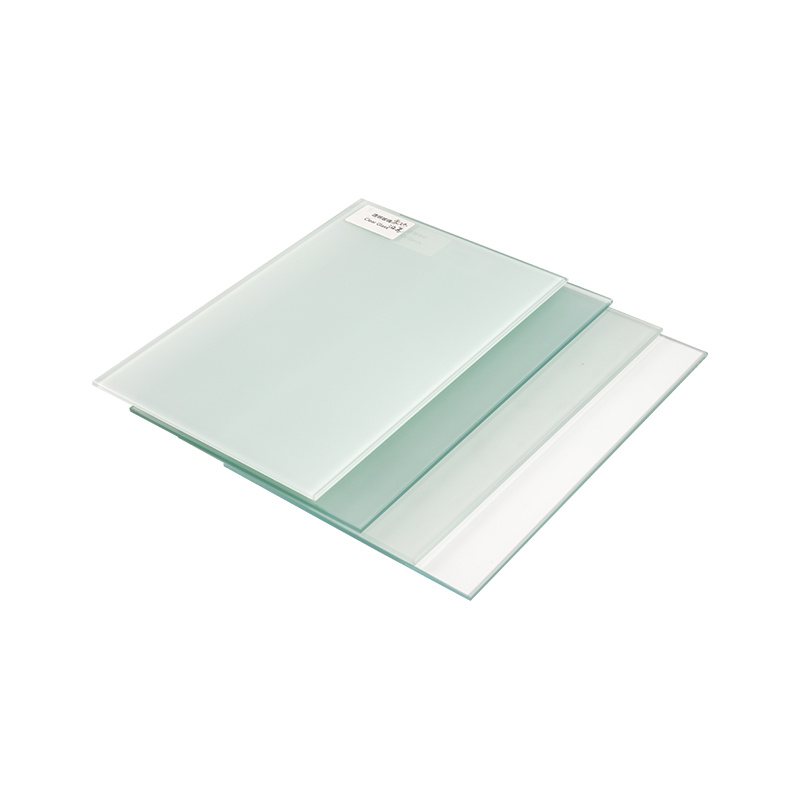
All qualified shower cabins must use fully tempered safety glass, which is 5 times stronger than ordinary glass. In case of breakage, it shatters into small, blunt particles to prevent serious injury. The standard thickness for frameless shower cabins is 8mm to 10mm, and 6mm to 8mm for framed models. Glass with anti-explosion film coating further improves safety, reducing the risk of splashing even if broken.
Industry tests show that tempered glass meeting safety standards can withstand sudden temperature changes from -20℃ to 100℃, adapting to hot and cold water alternation during daily showers without cracking. Low-iron tempered glass is a premium option with higher light transmittance and no greenish tint, enhancing visual aesthetics.
Sealing Strip Material and Performance
High-quality shower cabins use non-toxic, odorless silicone sealing strips, which have excellent elasticity, aging resistance, and water resistance. Poor-quality PVC sealing strips harden, deform, and turn yellow after 1 to 2 years, leading to water leakage and mold growth. Silicone sealing strips maintain flexibility for over 5 years in humid bathroom environments, ensuring effective waterproofing.
Hardware and Frame Material Standards
| Material Type | Corrosion Resistance | Service Life | Cost Level |
|---|---|---|---|
| Stainless Steel 304 | High | 10+ Years | Medium |
| Aluminum Alloy | Medium | 5-8 Years | Low |
| Brass | Very High | 15+ Years | High |
Stainless steel 304 is the most cost-effective choice for most households, combining excellent corrosion resistance, durability and affordable pricing. Brass hardware offers premium performance for long-term use but comes with a higher budget requirement.
Critical Size Selection Criteria for Shower Cabins
Size mismatch is the leading cause of shower cabin dissatisfaction. Correct sizing requires measuring bathroom space, considering user height and body shape, and reserving installation and movement gaps. The goal is to ensure comfortable use without wasting space or causing inconvenience.
Standard Size Ranges for Different Space Sizes
For small bathrooms (below 5 square meters), the optimal shower cabin size ranges from 800mm × 800mm to 900mm × 900mm, with quadrant or corner models being the best fit. For medium bathrooms (5 to 8 square meters), 900mm × 1000mm to 1000mm × 1200mm rectangular or square cabins provide comfortable space. For large bathrooms (over 8 square meters), sizes above 1200mm × 1200mm can be selected for a luxurious shower experience.
The minimum comfortable internal space for a shower cabin is 900mm × 900mm; sizes smaller than this will restrict movement and cause discomfort during use. Height is equally important: the standard glass height is 1850mm to 2000mm, sufficient for users up to 190cm tall, and customized heights are available for special needs.
Installation Gap and Reserved Space Requirements
- Reserve 10mm to 20mm gap between the shower cabin and walls for leveling and waterproof treatment
- Hinged door models need 600mm to 800mm empty space in front for unobstructed opening
- Keep 30mm to 50mm distance from adjacent sanitary ware to prevent collision and facilitate cleaning
- Ensure the floor drain is located inside the shower cabin for effective water drainage
Custom Size Solutions for Special Spaces
Irregular bathrooms, sloped walls or restricted spaces require customized shower cabin sizes. Professional measurement ensures full space utilization and perfect matching with bathroom structures. Customized cabins have a slightly higher cost but solve space problems completely, with a satisfaction rate of over 92% among users with special bathroom layouts.
Professional Installation Steps and Waterproofing Requirements
Even the highest-quality shower cabin will fail with unprofessional installation. Installation quality directly affects waterproofing, stability and service life. Standard installation follows a strict process, with waterproofing being the most critical step to prevent water penetration and mold growth.
Pre-Installation Preparation and Inspection
Before installation, inspect the bathroom floor and walls for flatness, ensure the waterproof layer is intact and the floor drain position is correct. Clear the installation area and prepare necessary tools. Measure the actual space again to confirm the shower cabin size matches, avoiding rework caused by size errors.
Standard Installation Process
- Position and mark the installation area according to the design plan, ensuring alignment and level
- Install the bottom tray or waterproof base, apply sealant evenly along the edges and test for water accumulation
- Fix vertical glass panels or frame structures to the walls with expansion screws, ensuring stability
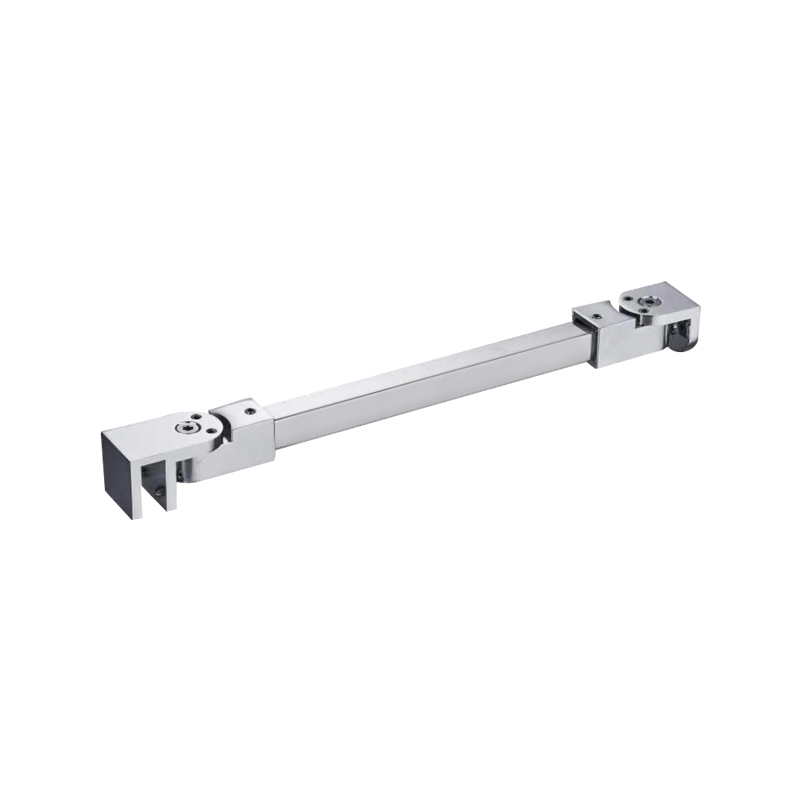
- Install horizontal supports, door hinges or sliding pulleys, adjust for smooth operation
- Attach glass doors and sealing strips, check sealing performance and opening/closing smoothness
- Apply waterproof sealant along all joints, corners and wall connections
- Conduct a 24-hour water test to verify no leakage or seepage
Key Waterproofing Standards
Effective waterproofing requires professional materials and construction: use neutral mildew-resistant silicone sealant for all joints, the waterproof layer should extend 100mm to 150mm up the walls to prevent water penetration. The shower cabin floor must have a slight slope towards the floor drain to ensure rapid water drainage without stagnation. After installation, the 24-hour water test is mandatory: fill the base with water to a certain depth, and check for leaks in lower floors or adjacent walls.
Data shows that shower cabins with professional waterproof installation have 80% fewer leakage problems than those with rough installation. Cutting corners on waterproofing will lead to costly repairs, wall mold and even structural damage over time.
Daily Maintenance and Cleaning Methods for Shower Cabins
Regular maintenance extends the service life of shower cabins, keeps them clean and hygienic, and prevents common issues like blockages, mold and hardware damage. Maintenance is simple and time-efficient, requiring only basic cleaning products and consistent habits.
Daily Cleaning Routine (After Each Use)
A quick daily clean prevents water stains and soap scum buildup: rinse the glass panels and walls with clean water, then wipe dry with a soft cloth or squeegee. Leave the door open after use to promote air circulation and reduce humidity, this simple step reduces mold growth by over 70% in humid environments.
Weekly Deep Cleaning Procedures
- Clean glass with a neutral non-abrasive cleaner to remove stubborn water stains and soap scum
- Wipe hardware and frames with a soft cloth to maintain shine and prevent corrosion
- Inspect sealing strips for dirt or mold, clean with a mild detergent if needed
- Clear the floor drain and remove hair or debris to ensure smooth drainage
Monthly Hardware and Structure Inspection
Check all screws, hinges and pulleys for tightness and smooth operation; tighten loose screws immediately. Inspect sealing strips for cracks, hardening or deformation and replace damaged parts promptly. Check the waterproof sealant for gaps or peeling and reapply if necessary. Monthly inspections can reduce hardware failure rates by more than half and extend the overall service life.
Cleaning Products to Avoid
Never use abrasive cleaners, steel wool, sharp scrapers or strong acidic/alkaline chemicals on shower cabins—these scratch glass surfaces, damage hardware coatings and accelerate sealing strip aging. Stick to neutral cleaners, soft cloths and plastic scrapers for gentle yet effective cleaning.
Common Faults and Troubleshooting for Shower Cabins
Most shower cabin faults are minor and can be resolved quickly without professional help. Identifying the cause correctly and applying the right solution saves time and money, while ignoring small problems leads to major failures.
Water Leakage Problems and Solutions
Water leakage usually stems from damaged sealing strips, deteriorated sealant or improper installation. Replace worn-out sealing strips, reapply mildew-resistant sealant to gaps, or adjust the door position to ensure tight closure. For floor leakage, check the base integrity and drainage slope, and reinstall the waterproof layer if damaged.
Door Operation Issues
Sliding doors that stick or jam often have dirty or worn pulleys: clean the pulley track and apply lubricant, or replace damaged pulleys. Hinged doors that sag or don’t close tightly need hinge adjustment or screw tightening. 80% of door operation problems are fixed by cleaning and lubrication without part replacement.
Glass Stains, Mold and Odor Issues
Persistent water stains can be removed with specialized glass cleaners. Mold on sealing strips is eliminated by mild disinfectant cleaners; replace severely moldy strips. Odors are caused by stagnant water or clogged drains: clean the drain thoroughly and ensure complete drainage after each use.
Structural Instability Solutions
Loose frames or glass panels require tightening wall screws and reinforcing connection points. Unstable bases need re-leveling and resealing. Severe structural issues should be handled by professional installers to ensure safety and avoid glass breakage.
Adaptation of Shower Cabins to Special Groups and Environments
Shower cabins can be adapted to meet the needs of children, elderly users, people with limited mobility, and special environments like coastal or high-humidity areas. Targeted design and configuration adjustments enhance safety, convenience and comfort for all users.
Shower Cabin Solutions for the Elderly and Mobility-Impaired
For elderly and disabled users, safety and accessibility are priorities: choose low-threshold or threshold-free shower cabins to eliminate tripping hazards. Install anti-slip flooring and grab bars for support. Add built-in shower seats for sitting during use. Select hinged doors with wide openings for easy access. These modifications reduce shower-related accidents by over 65% for vulnerable groups.
Family-Friendly Shower Cabins for Children
- Round or curved designs with no sharp corners to prevent injuries
- Temperature-resistant glass to avoid scalding risks
- Adjustable shower heads at child-friendly heights
- Anti-slam door mechanisms to prevent finger pinching
Shower Cabin Adaptation for Coastal and High-Humidity Areas
Coastal areas have high salt content in the air, accelerating hardware corrosion. Choose 316-grade stainless steel or brass hardware with superior corrosion resistance. Use enhanced waterproofing and ventilation designs to combat persistent humidity. Regular cleaning with anti-corrosion products maintains performance in harsh environments.
Final Buying Guide: How to Choose the Perfect Shower Cabin
Combining all the above factors, the final shower cabin selection process can be simplified into a clear, practical guide that ensures you make the best choice for your space and needs.
First, confirm your bathroom size and layout, then select the appropriate shape (quadrant for small spaces, rectangular for medium/large spaces). Second, prioritize safety by choosing fully tempered glass with standard thickness and explosion-proof protection. Third, select high-quality 304 stainless steel hardware and silicone sealing strips for durability. Fourth, ensure professional installation with strict waterproofing and 24-hour water testing. Fifth, match the configuration to your user group (safety features for elderly/children, basic functions for regular use).
Following this guide guarantees a shower cabin that combines comfort, safety, durability and practicality, delivering long-term value and satisfaction. Avoid being swayed by unnecessary complex functions or decorative appearances—focus on the core elements of size, material, installation and maintenance for the best long-term experience.
A well-chosen and properly installed shower cabin is more than a bathroom fixture; it enhances daily comfort, improves space utilization and adds functionality to your home. With the right selection and care, it will serve you reliably for many years while maintaining its appearance and performance.