

 中文简体
中文简体Why a Glass Shower is the Ultimate Bathroom Upgrade
When it comes to modernizing a bathroom, a glass shower is unequivocally the most impactful investment you can make. Unlike traditional shower curtains or opaque enclosures that chop up the visual landscape of the room, a glass shower creates a seamless, continuous visual flow. This single design choice instantly makes the entire bathroom feel larger, brighter, and more luxurious. Beyond mere aesthetics, glass showers offer unparalleled ease of maintenance, superior hygiene, and long-term durability. They transform a purely functional space into a personal spa-like retreat while simultaneously increasing the overall value of your home. Whether you are working with a compact powder room or a sprawling master bath, the integration of a glass shower fundamentally shifts the atmosphere from confined to expansive, making it the definitive choice for any contemporary renovation.
Visual Expansion and the Psychology of Space
The most immediate and striking benefit of a glass shower is its ability to manipulate the perception of space. Traditional showers with curtains or frosted walls act as visual barriers, effectively cutting the room in half. When you replace these barriers with transparent glass, the eye travels all the way to the back wall of the shower, tricking the brain into perceiving the room as significantly larger than its actual square footage. Transparent glass showers can make a bathroom feel up to twice its actual size by eliminating visual boundaries.
This concept is deeply rooted in environmental psychology. Humans naturally feel more relaxed and less claustrophobic in spaces with unobstructed sightlines. In smaller bathrooms, where every inch counts, a glass shower prevents the cramped feeling that opaque enclosures inevitably create. Even in larger bathrooms, the continuous visual flow allows natural light from windows to permeate the entire room, bouncing off the shower walls and illuminating dark corners that would otherwise remain in shadow. Furthermore, the transparent nature of the glass allows the beauty of your tile work or natural stone inside the shower to become a focal point of the room's overall design, rather than hiding it behind a curtain.
Types of Glass Showers for Different Layouts
Selecting the right type of glass shower depends heavily on your bathroom's layout, your budget, and your personal preferences regarding openness. There is no one-size-fits-all solution, and understanding the distinct configurations available is crucial for making an informed decision.
Frameless Glass Showers
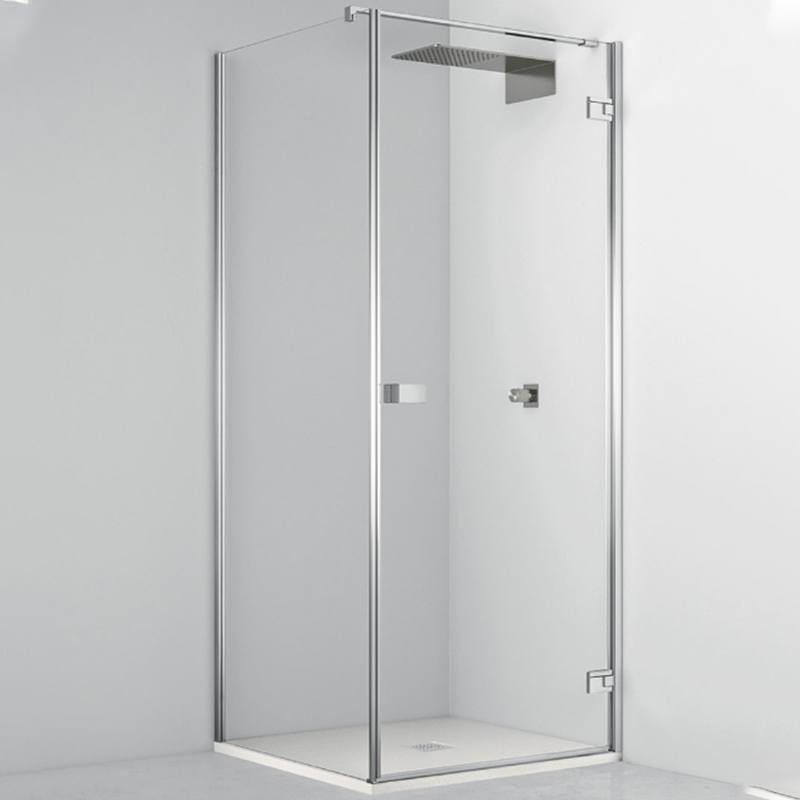
Frameless enclosures represent the pinnacle of modern bathroom design. They rely on heavy-duty tempered glass and minimal hardware—usually just hinges, handles, and clips—without the need for metal framing around the edges. The primary advantage of a frameless design is its clean, minimalist aesthetic that maximizes the open feel of the bathroom. Because there is no metal tracking, there are fewer crevices for mold and mildew to accumulate, making cleaning substantially easier. However, they require thicker glass to maintain structural integrity, which makes them a more premium option.
Framed Glass Showers
Framed showers feature a complete metal framework surrounding the glass panels and doors. This framing provides excellent structural support, allowing for the use of thinner, more affordable glass. They are highly functional and provide a reliable water seal, making them a practical choice for heavily used family bathrooms. While they may not offer the seamless look of frameless models, they are available in a wide variety of metal finishes that can be matched to other bathroom fixtures.
Sliding vs. Pivot Doors
The mechanics of your shower door are dictated largely by space constraints. Pivot doors swing outward and require adequate clearance in the bathroom, making them ideal for larger spaces. They offer a wide opening and a luxurious feel. Sliding doors, on the other hand, operate on tracks and bypass each other, requiring zero external swing space. Sliding glass doors are the optimal choice for tight layouts where a swinging door would collide with a vanity or toilet.
Walk-In and Wet Room Styles
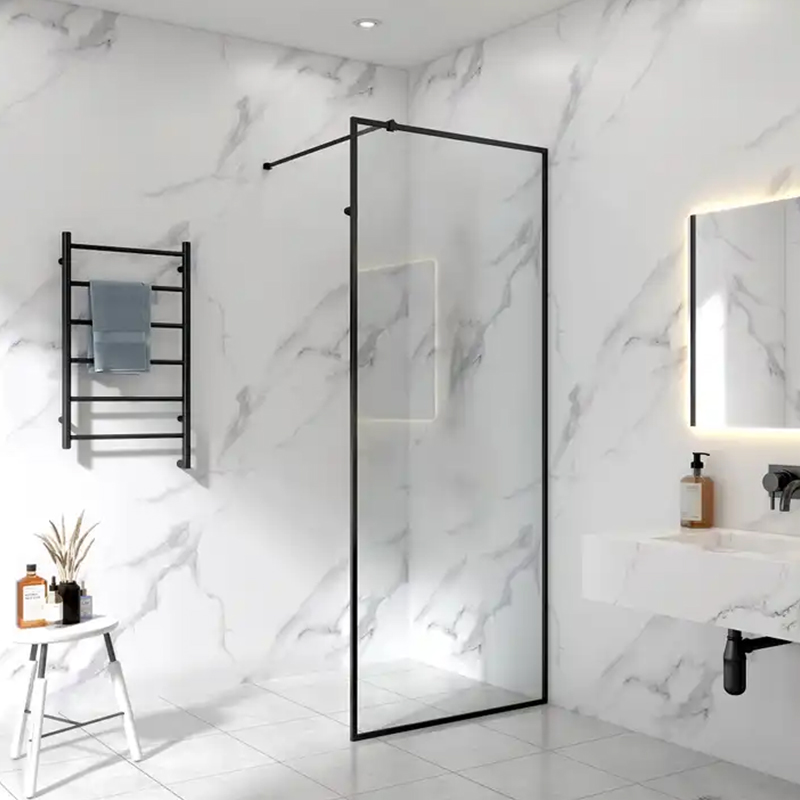
For the ultimate in contemporary design and accessibility, walk-in showers feature a single glass panel or a partial enclosure without a door. The floor is typically flush with the rest of the bathroom, creating a "wet room" effect. This design is exceptionally elegant and universally accessible, but it requires meticulous waterproofing and proper drainage sloping to keep water contained within the designated area.
Essential Selection Criteria for Glass Enclosures
Choosing the perfect glass shower goes far beyond picking a style. The glass itself comes in several variations that affect both its functionality and its aesthetic integration into your home. Understanding these criteria will ensure your enclosure performs exactly as you need it to.
Glass Thickness and Structural Integrity
The thickness of the glass is a critical safety and stability factor. Thicker glass not only feels more substantial and premium but also flexes less, ensuring a longer lifespan for the enclosure. For framed enclosures, standard thickness is usually sufficient. However, for frameless enclosures, glass thickness is paramount to prevent shattering and ensure the hardware holds securely without excessive flex.
Glass Textures and Transparency Levels
While clear glass is the most popular for its ability to open up a room, it does little to hide water spots or clutter inside the shower. Homeowners seeking more privacy or looking to minimize cleaning visibility can choose from several alternatives:
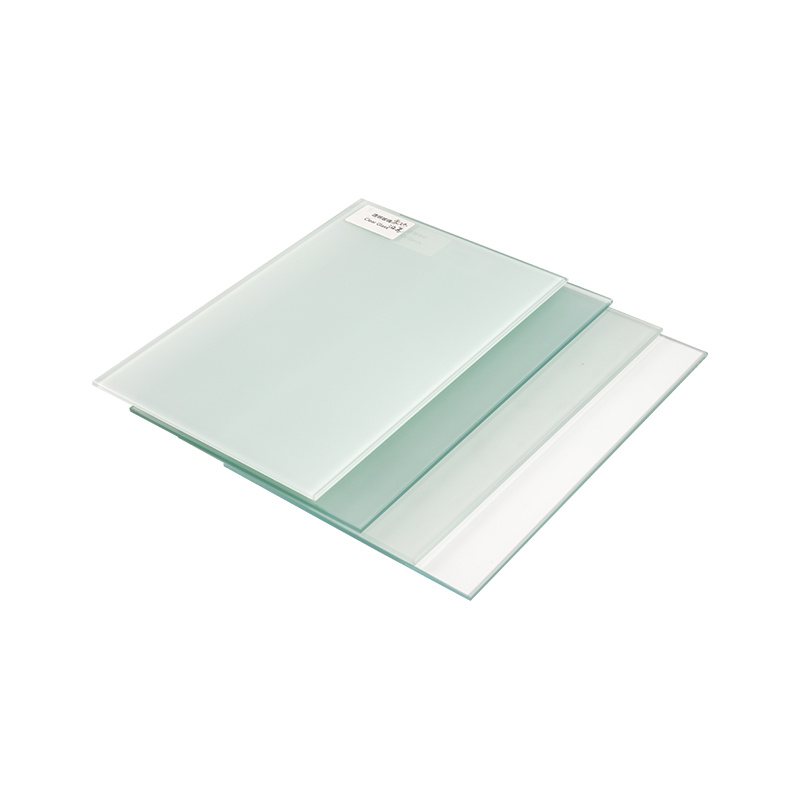
- Frosted Glass: Provides excellent privacy while still allowing light to filter through, making it a great balance between openness and seclusion.
- Rain Glass: Features a textured pattern that mimics the look of water cascading down the pane, effectively obscuring the view of the inside while adding a decorative element.
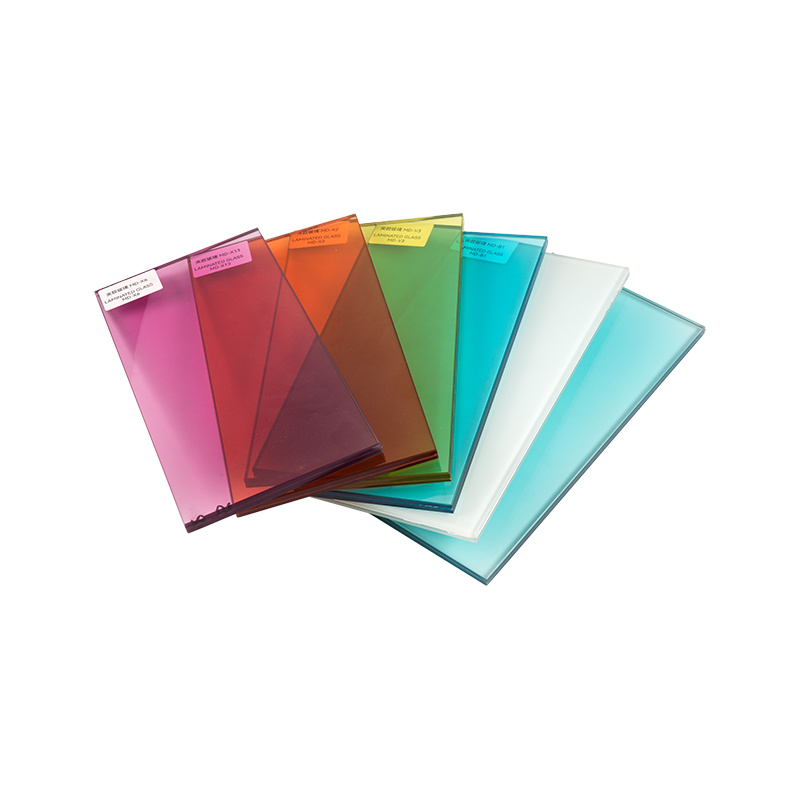
- Tinted Glass: Available in subtle hues like bronze, gray, or blue, tinted glass can complement specific bathroom color palettes and reduce glare.
Hardware Finishes and Coatings
The hardware on your glass shower acts like jewelry, tying the room's design elements together. Common finishes include polished chrome, brushed nickel, matte black, and oil-rubbed bronze. Furthermore, protective coatings applied to the glass during manufacturing can drastically reduce maintenance. Investing in a high-quality protective coating is highly recommended, as it creates a hydrophobic surface that repels water, forcing it to bead up and roll off rather than drying into hard-to-remove mineral deposits.
| Feature | Frameless | Framed | Walk-In |
|---|---|---|---|
| Aesthetic | Seamless, Minimalist | Traditional, Structured | Open, Spa-like |
| Maintenance | Very Easy | Moderate (Track Cleaning) | Easy |
| Cost | High | Low to Moderate | Moderate to High |
| Space Requirement | Moderate (Swing Clearance) | Flexible | Large Footprint |
Proper Maintenance to Preserve Clarity
A glass shower is only as beautiful as its cleanliness. Hard water stains, soap scum, and mildew can quickly dull the surface, negating the aesthetic benefits of your enclosure. However, with a disciplined maintenance routine, keeping your glass crystal clear is remarkably straightforward. The secret lies in consistent, preventative care rather than aggressive, infrequent scrubbing.
Daily Preventative Habits
The single most effective way to maintain a pristine glass shower is to prevent mineral deposits from forming in the first place. After every use, take a few moments to squeegee the glass surfaces. This simple action removes the majority of the water that would otherwise evaporate and leaves behind calcium and magnesium residues. A daily squeegee routine can reduce the need for deep cleaning by a significant margin. Additionally, leaving the shower door slightly ajar after use promotes air circulation, which rapidly reduces humidity levels and inhibits the growth of mold and mildew on the glass and in the hardware crevices.
Deep Cleaning Best Practices
Even with daily squeegeeing, a deeper clean will be necessary periodically. When choosing cleaning solutions, it is vital to avoid abrasive powders, steel wool, or harsh acidic cleaners, as these can permanently scratch the glass or strip the protective hydrophobic coatings. Instead, opt for mild, pH-neutral cleaners or natural alternatives like a mixture of warm water and white vinegar. Apply the solution, let it sit for several minutes to break down soap scum, and then wipe gently with a soft microfiber cloth.
- Apply a pH-neutral cleaning solution or a diluted vinegar mixture evenly across the glass surface.
- Allow the solution to dwell for several minutes to penetrate and loosen hard water stains and soap residue.
- Gently scrub the glass using a non-abrasive sponge or a soft microfiber cloth, working from top to bottom.
- Rinse thoroughly with clean, warm water to ensure no cleaning agent residue remains on the surface.
- Dry the glass completely with a clean microfiber cloth or squeegee to prevent new water spots from forming.
Integrating a Glass Shower into Your Design
A glass shower should never exist in isolation; it must harmonize with the broader design narrative of the bathroom. Because glass is inherently transparent, it acts as a lens through which the interior of the shower is viewed, meaning the tile work, fixtures, and lighting inside the shower are just as important as those outside it.
Tile and Material Coordination
Since a glass shower exposes the interior, the tiles you select will heavily influence the room's overall ambiance. Large-format tiles with minimal grout lines create a sleek, continuous look that further enhances the sense of space, while also being easier to clean. If you want to add visual interest without overwhelming the space, consider using textured tiles on a single accent wall inside the shower. The glass will magnify the play of light across the texture, adding depth and character to the bathroom.
Lighting Strategies for Glass Showers
Lighting is a critical, yet often overlooked, component of shower design. A dark shower interior will make the entire bathroom feel smaller, negating the benefits of the glass enclosure. Proper interior lighting transforms the shower from a functional necessity into a luxurious centerpiece. Recessed overhead lighting provides excellent general illumination, while a waterproof LED niche light can beautifully highlight bath products and the tile texture. Consider installing a dimmer switch to transition from bright, energizing morning light to a soft, relaxing glow for evening showers.
Creating a Seamless Transition
To maximize the illusion of space, try to use the same flooring material inside the shower as you do in the main bathroom area. When the floor tile flows uninterrupted from the bathroom into the shower, it erases the visual boundary between the two spaces. If building codes or practical considerations require different flooring, choose complementary colors and textures that do not create a jarring contrast. Similarly, coordinating the metal finishes of your shower hardware with your faucets, cabinet pulls, and light fixtures creates a cohesive, intentional design language throughout the room.
Safety Standards and Installation Considerations
While aesthetics and maintenance are important, safety is the most critical factor when installing a glass shower. The combination of water, confined spaces, and large panes of glass requires strict adherence to safety standards and professional installation practices to prevent catastrophic failures.
The Importance of Tempered Glass
Standard annealed glass is entirely unsuitable for shower enclosures because it breaks into large, jagged shards that can cause severe injury. All glass used in shower enclosures must be tempered, also known as safety glass. Tempered glass undergoes a rigorous heating and rapid cooling process that alters its internal stresses. If it does break, it shatters into small, relatively harmless, pebble-like pieces rather than sharp shards. Always verify that the glass you purchase carries the required safety certifications etched into the corner of the pane.
Professional Measurement and Installation
Unlike many home improvement projects, a glass shower enclosure is not a candidate for casual do-it-yourself installation. The tolerances for frameless glass are incredibly tight, often requiring measurements accurate to the millimeter. Floors and walls are rarely perfectly plumb or level, and a professional installer will account for these discrepancies, ensuring the glass fits securely without being forced. Improper installation can place uneven stress on the glass, compromising its structural integrity over time and potentially leading to spontaneous breakage. Furthermore, professional installers understand how to properly seal the enclosure to prevent water from leaking into the subfloor, which could cause extensive and expensive structural damage down the line. Investing in expert installation guarantees both the safety of your family and the longevity of your investment.