

 中文简体
中文简体Glass manufacturing is a sophisticated industrial process that transforms raw earth minerals into versatile, solid solutions through extreme heat and precise engineering.
At its core, this industry is fundamental to modern civilization, providing essential materials for construction, transportation, consumer electronics, and healthcare. The manufacturing process is not merely about melting sand; it involves complex chemical reactions, rigorous thermal management, and advanced forming technologies to meet specific strength, clarity, and thermal resistance requirements. As global infrastructure develops, the role of a specialized glass manufacturer becomes increasingly critical, driven by demand for energy-efficient building materials and high-tech display glass. The industry today is characterized by a shift toward sustainability, automation, and the development of intelligent glass solutions that adapt to environmental changes.
The Primary Raw Materials Used in Production
The creation of glass begins with the careful selection and batching of raw materials. While silica sand is the principal component, it cannot be melted alone at economically viable temperatures due to its high melting point. Therefore, manufacturers introduce fluxes and stabilizers to alter the thermal and chemical properties of the mixture.
Silica sand acts as the glass former, providing the essential silicon dioxide structure. However, to lower the melting temperature, soda ash (sodium carbonate) is added. While soda ash effectively reduces the melting point, it makes the resulting glass soluble in water, which is undesirable for most applications. To counteract this water solubility, limestone (calcium carbonate) is introduced as a stabilizer. Other minor ingredients include dolomite, feldspar, and cullet (recycled broken glass). The use of cullet is particularly significant as it not only reduces the amount of raw material needed but also lowers the energy required for melting, acting as a flux itself.
The Role of Additives
Beyond the basic components, specific metal oxides are added to impart color or specialized properties. For example, iron oxide can create a green tint, while cobalt produces a deep blue. For technical applications, bromine or other compounds may be added to enhance fire resistance, or silver halides might be introduced to create photochromic lenses that darken in sunlight. The precise formulation of these materials is a closely guarded trade secret, determining the final quality and performance of the glass product.
The Melting Process and Furnace Technology
Once the raw materials are batched and mixed, they are transported to the furnace. This is the most energy-intensive part of the manufacturing cycle. The furnace must maintain temperatures typically exceeding 1,500 degrees Celsius to ensure the silica sand melts completely and homogenizes with the other oxides.
Modern manufacturing facilities utilize regenerative or recuperative furnaces to maximize energy efficiency. These furnaces reclaim heat from the exhaust gases to preheat the incoming combustion air, significantly reducing fuel consumption. The melting process is continuous in large-scale operations; raw materials are fed into one end of the furnace, while molten glass is withdrawn from the other. The residence time—the time the material spends in the furnace—is critical. It must be long enough to allow bubbles and seeds (small gaseous inclusions) to rise to the surface and for the chemical homogenization to occur. Insufficient melting time results in defects that compromise the structural integrity of the final product.
Refining and Homogenization
As the glass melts, it passes through a refining zone where the temperature is often raised to lower the viscosity, allowing bubbles to escape more easily. Refining agents, such as sodium sulfate or antimony oxide, may be added to help absorb or dissolve small gas bubbles. The goal is to produce a perfectly clear, uniform liquid free of streaks or stones (unmelted particles). This liquid is then conditioned at a lower temperature to reach the viscosity suitable for forming.
Forming Techniques: From Float to Blowing
The method used to form the molten glass depends largely on the final product required. For flat glass, used in windows and facades, the float glass process is the industry standard. This technique involves pouring molten glass onto a bath of molten tin. The glass floats on the tin, spreading out to form a perfectly smooth ribbon with parallel surfaces. Because the tin is denser than the glass, they do not mix, allowing the glass to achieve a uniform thickness controlled by the speed at which it is drawn off the bath.
For container glass, such as bottles and jars, the blow-and-blow or press-and-blow methods are employed. In these processes, gobs of molten glass are dropped into molds. Compressed air is then used to force the glass against the walls of the mold, taking the shape of the container. This process requires precise synchronization between the delivery of the gobs and the molding machinery to ensure consistent wall thickness and weight distribution.
Specialized Forming Methods
Fiberglass insulation is made through a spinning process where molten glass is extruded through small holes and rapidly cooled by air jets, creating fine fibers. For laboratory and pharmaceutical glassware, which requires high thermal shock resistance, the glass is often formed by hand or semi-automated tube drawing processes. These specialized forms demand glass compositions with specific chemical properties to withstand rapid temperature changes without fracturing.
The Annealing Process and Thermal Treatment
Immediately after forming, glass contains significant internal stresses caused by uneven cooling. If left untreated, these stresses would cause the glass to shatter unpredictably. To prevent this, the glass undergoes annealing. This involves passing the glass through a long oven, known as a lehr, on a conveyor belt.
Inside the lehr, the temperature is carefully controlled and gradually lowered to room temperature. This slow cooling allows the molecules to align and relieve internal stress. The specific annealing schedule depends on the thickness and type of glass. Thicker pieces require a longer time to anneal properly. Without this critical step, the glass would be too fragile for any practical use.
Tempering for Safety and Strength
Beyond basic annealing, glass can be subjected to tempering (or toughening) to increase its strength significantly compared to standard annealed glass. This process involves heating the glass to a high temperature and then cooling it rapidly with jets of air. The outer surfaces cool and solidify first, while the center remains molten longer. As the center cools, it contracts, pulling on the already solid outer surfaces, placing them under high compression.
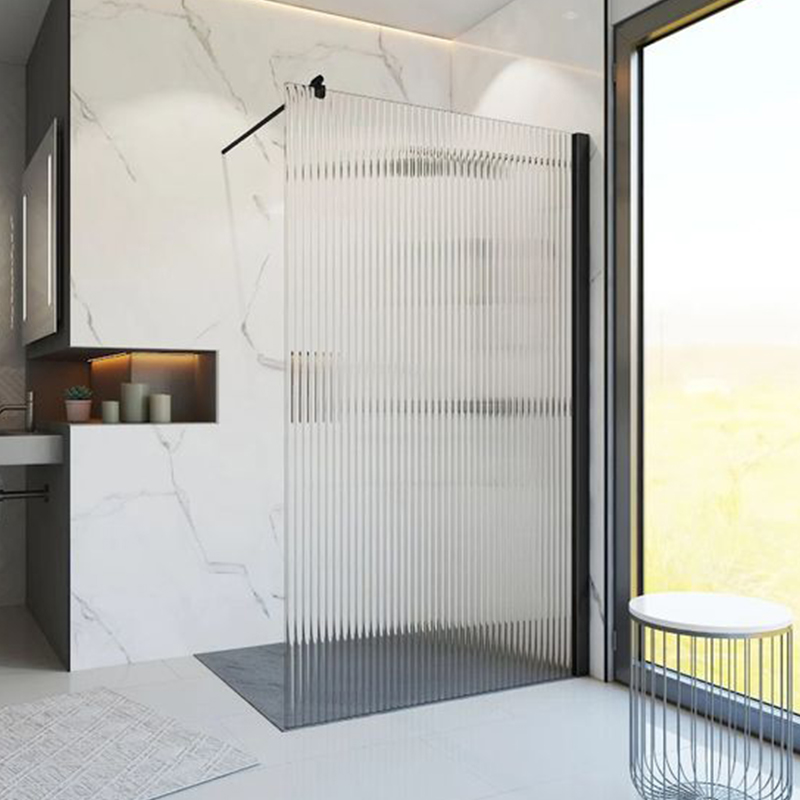
Because glass is much stronger under compression than tension, tempered glass is highly resistant to impact and thermal stress. When it does break, it shatters into small, granular chunks rather than sharp, dangerous shards, making it ideal for automotive side windows, shower doors, and safety glazing. Heat strengthening is a similar process but with a lower cooling rate, resulting in glass that is about twice as strong as annealed glass but does not shatter completely upon failure.
Types of Glass and Their Applications
While the basic principle remains the same, varying the chemical composition and thermal treatment results in distinct types of glass, each engineered for specific environments and uses. Understanding these differences is crucial for selecting the right material for any given project.
- Soda-Lime Glass: The most common form, accounting for the vast majority of manufactured glass. It is used for windows, bottles, and food jars due to its cost-effectiveness and workability.
- Borosilicate Glass: Known for its low thermal expansion coefficient, making it highly resistant to thermal shock. It is the standard for laboratory equipment, cookware, and high-quality lighting.
- Aluminosilicate Glass: This type contains aluminum oxide, providing higher strength and chemical resistance. It is increasingly used in smartphone screens and electronic touch displays.
- Lead Glass: (Crystal) By replacing calcium with lead oxide, this glass achieves a higher refractive index, making it sparkle brightly. It is used for decorative art and high-end stemware, though its use is declining due to health concerns.
- Fiberglass: Consists of extremely fine fibers of glass and is used as a thermal insulator in buildings and as a reinforcement material in plastics (fiberglass).
| Glass Type | Primary Characteristic | Common Application |
|---|---|---|
| Soda-Lime | Cost-effective, easy to melt | Windows, Bottles |
| Borosilicate | Thermal shock resistance | Lab Beakers, Cookware |
| Aluminosilicate | High strength, scratch resistance | Smartphone Screens |
Quality Control and Inspection Standards
In the glass industry, quality control is non-negotiable. Even microscopic defects can lead to catastrophic failure, especially in automotive or architectural applications. Manufacturers employ a range of automated and manual inspection technologies to monitor production.
Laser-based scanning systems are commonly used to detect thickness variations across the width of the glass ribbon. These systems measure the glass with high precision, ensuring it meets tight tolerances. Optical inspection systems use high-resolution cameras and sophisticated image processing software to identify bubbles, inclusions, scratches, or stones. If defects are detected, the system can automatically mark the area for rejection or divert the sheet from the production line.
Mechanical and Stress Testing
Beyond visual inspection, samples are routinely subjected to mechanical tests. These include ring-on-ring or ball-drop tests to measure the impact strength and fracture toughness of tempered glass. Polariscopes are used to view stress patterns in the glass, ensuring that the tempering process has created the correct compression and tension zones. For pharmaceutical glass, chemical durability tests are conducted to ensure the container will not leach substances into or react with the medication inside.
Surface Treatments and Coatings
To enhance the functionality of glass, manufacturers apply various coatings either during the forming process (pyrolytic coating) or afterward (offline sputtering). These coatings can drastically alter the performance of the glass without changing its structural composition.
One of the most common treatments is low-emissivity (Low-E) coating. This metallic or metallic oxide coating reflects infrared heat while allowing visible light to pass through. In architectural glazing, this is essential for energy efficiency, keeping heat inside during winter and outside during summer. Self-cleaning glass is coated with a titanium dioxide layer that uses UV light to break down organic dirt and creates a hydrophilic surface that causes rain to sheet off, washing away the residue.
Decorative and Functional Finishes
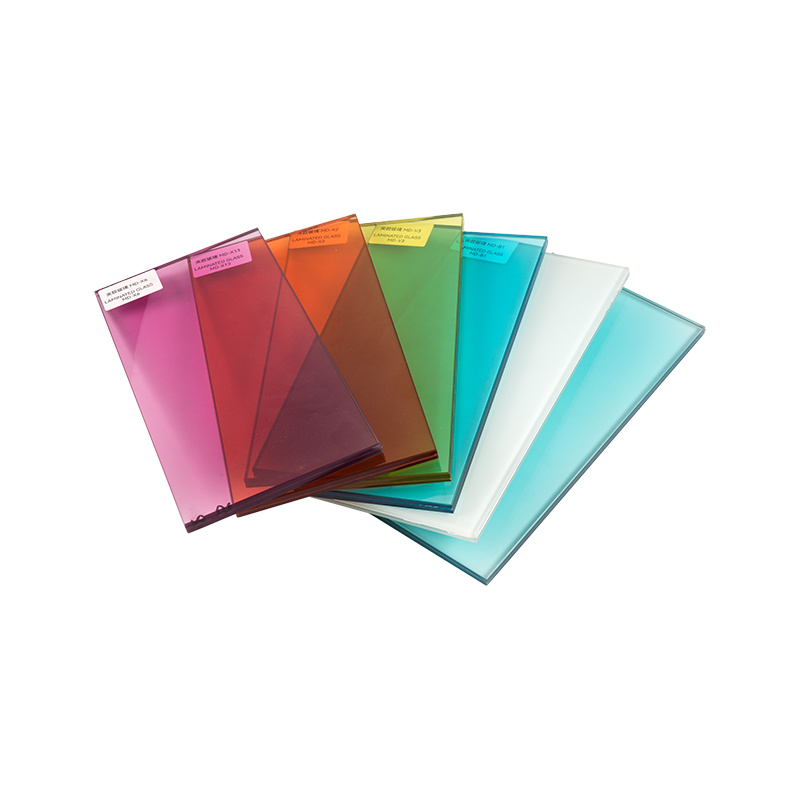
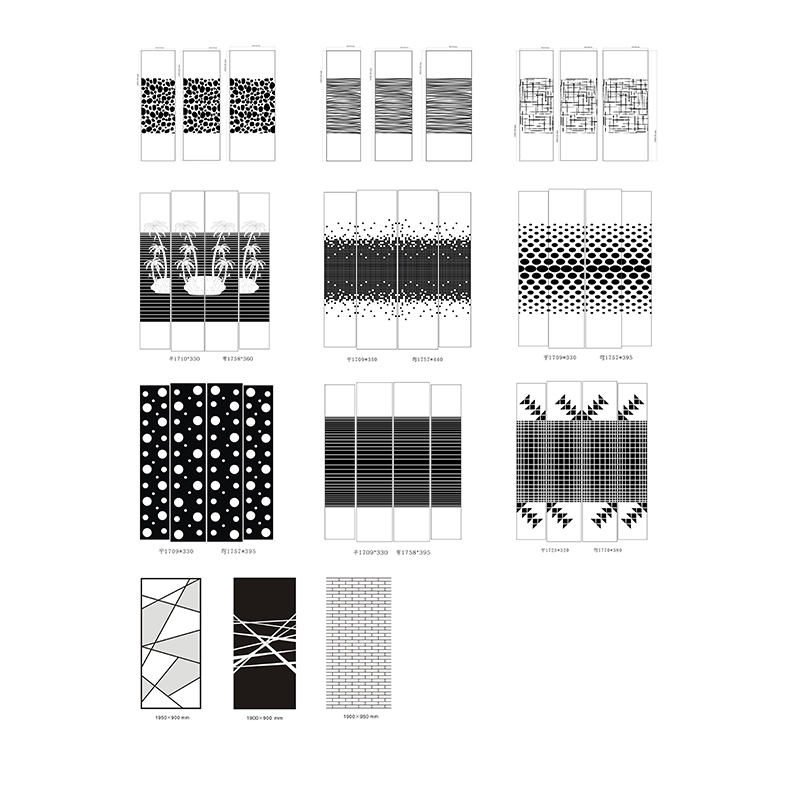
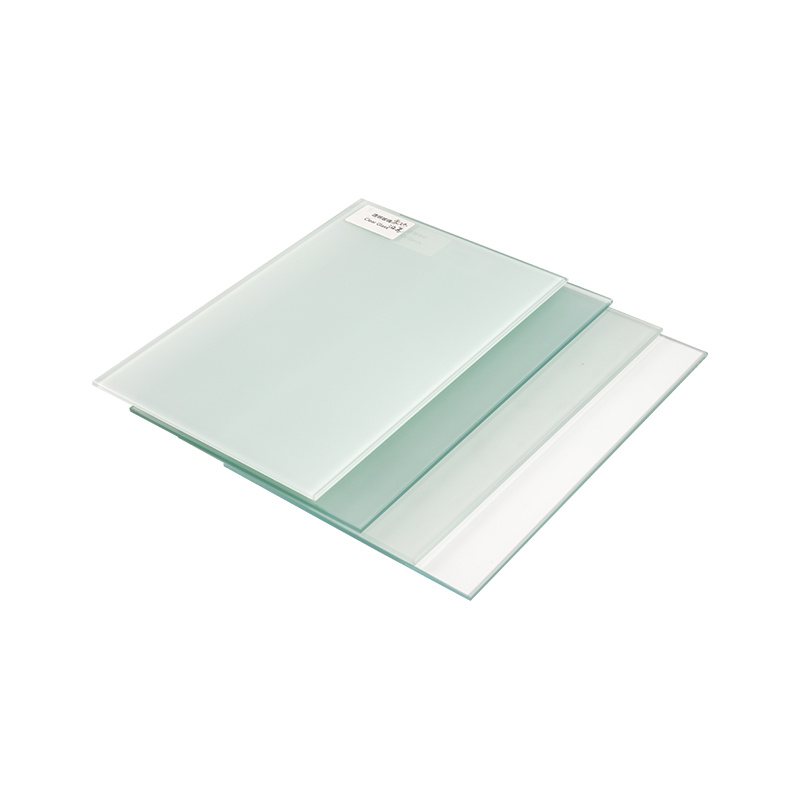
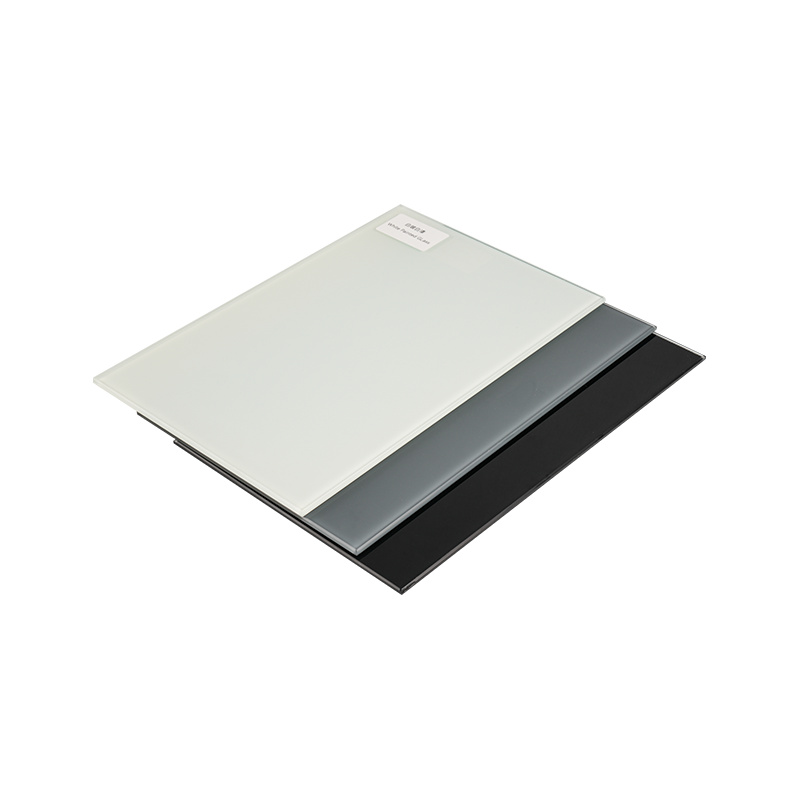
Other surface treatments include acid etching to create frosted privacy glass, screen printing for appliance glass, and lamination. Laminated glass consists of two or more sheets of glass bonded together with an interlayer of polyvinyl butyral (PVB) or ethylene-vinyl acetate (EVA). This interlayer holds the glass in place even if broken, providing security and sound dampening properties. This type of glass is mandatory for automotive windshields and is widely used in skylights and floors.
Environmental Sustainability in Glass Production
The glass manufacturing industry faces significant pressure to reduce its environmental footprint. Historically, the process has been energy-intensive and reliant on fossil fuels. However, modern manufacturers are adopting several strategies to mitigate these impacts. The primary driver is the increased use of cullet (recycled glass). Because cullet melts at a lower temperature than raw batch materials, every percentage point of recycled glass added reduces energy consumption and greenhouse gas emissions.
Furthermore, manufacturers are transitioning from heavy fuel oil to natural gas, and increasingly to electric melting using renewable energy sources. Electric melting eliminates the combustion byproducts of burning fossil fuels, reducing carbon emissions and improving the purity of the glass atmosphere, which results in fewer defects.
Water Conservation and Emissions Control
Water is used extensively in glass production for cooling and cutting. Closed-loop water recycling systems are now standard, allowing facilities to treat and reuse water multiple times, significantly reducing fresh water withdrawal. In terms of emissions, sophisticated baghouses and electrostatic precipitators are installed to capture particulate matter (dust) and sulfur oxides from the furnace exhaust. These measures ensure that the manufacturer complies with strict environmental regulations while preserving the longevity of the equipment.
Future Trends and Industry Innovations
The future of glass manufacturing is being shaped by the integration of smart technologies and the demand for higher performance materials. Smart glass, or switchable glass, is a rapidly growing segment. This glass can change its light transmission properties when voltage, light, or heat is applied. Electrochromic glass, for example, tints electronically to control glare and heat gain, contributing significantly to net-zero energy buildings.
Automation and Industry 4.0 are revolutionizing the factory floor. Advanced sensors and Artificial Intelligence (AI) algorithms monitor the melting process and forming lines in real-time, predicting maintenance needs and adjusting parameters to optimize quality and yield. Digital printing on glass is also advancing, allowing for high-resolution, durable images to be printed directly onto glass surfaces, opening new avenues for architectural design and interior decoration.
The Rise of Ultra-Thin Glass
As consumer electronics become thinner and more flexible, the demand for ultra-thin glass is surging. This glass, often thinner than a human hair, requires immense precision in manufacturing to maintain strength and surface quality. It serves as a substrate for flexible displays and foldable phones, pushing the boundaries of what was traditionally thought possible with glass materials.