

 中文简体
中文简体A carefully selected shower cabin is the ultimate solution for modernizing a bathroom, as it effectively contains water splashes, maximizes available floor space, and creates a dedicated, thermally comfortable environment. By choosing a cabin that perfectly matches your specific layout, glass thickness requirements, and hardware preferences, you can immediately elevate both the functionality and aesthetic appeal of your bathroom without undertaking a full-scale renovation.
The primary intent behind installing a shower cabin is to establish a distinct, waterproof enclosure that separates the wet zone from the rest of the room. This separation is critical in preventing structural water damage, reducing slip hazards, and maintaining a clean, dry bathroom floor. Whether dealing with a compact en-suite or a spacious family bathroom, the right enclosure adapts to the environment, ensuring an efficient and enjoyable daily routine.
The Core Advantages of Installing a Shower Cabin
Understanding the practical benefits of a shower cabin helps in making an informed decision. Unlike traditional shower curtains or open wet rooms, a dedicated cabin offers superior containment and thermal retention. When you step into a fully enclosed cabin, the heat generated by the water remains trapped inside the enclosure, creating a warm and comfortable microclimate. This is particularly beneficial during colder months, as it prevents cold drafts from entering the bathing area.
Furthermore, the containment of water spray directly translates to lower maintenance requirements. By keeping water strictly within the designated area, the surrounding dry zones—such as vanity units, flooring, and wall paint—are protected from persistent moisture exposure, which can otherwise lead to mold growth and structural degradation.
- Excellent water containment to protect surrounding bathroom fixtures and flooring.
- Enhanced thermal retention for a warmer showering experience.
- Increased property value through modernized bathroom aesthetics.
- Reduction in mold and mildew spread by isolating the wet environment.
Matching Cabin Types to Your Bathroom Layout
The physical dimensions and layout of your bathroom dictate the most suitable shape and opening mechanism of the cabin. Selecting the wrong type can impede movement, clash with existing doors, or make the room feel cramped. It is crucial to measure the available space accurately, considering the swing radius of the door and the placement of other bathroom fixtures like toilets and sinks.
Quadrant and Offset Quadrant Cabins
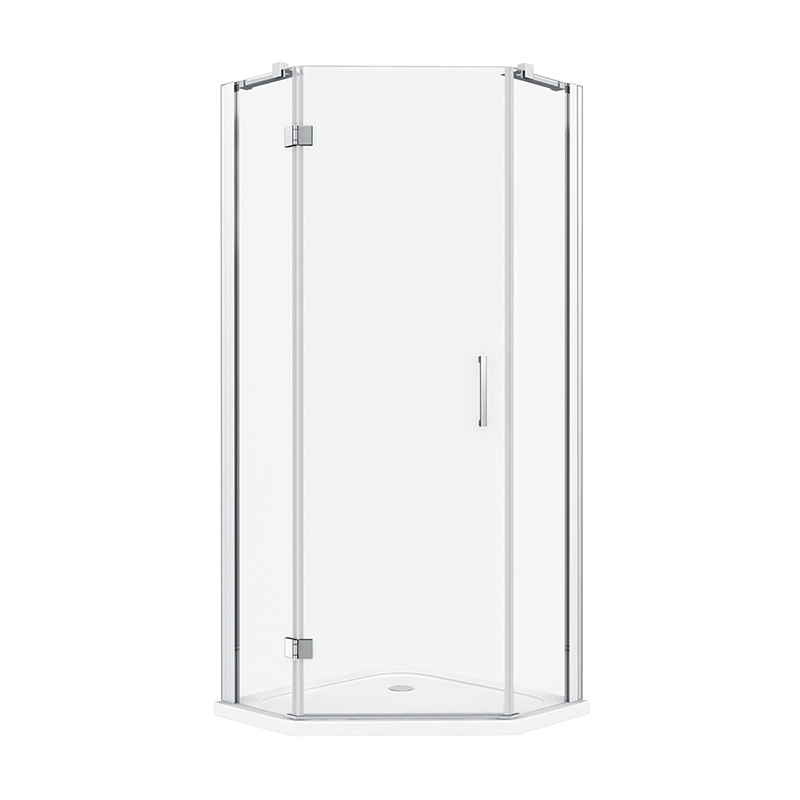
Quadrant cabins are designed to fit neatly into a corner, featuring a curved front. This design is highly sought after for smaller bathrooms where space is at a premium. The curved front eliminates sharp protruding edges, ensuring safe and smooth movement around the room. Offset quadrant cabins offer a similar curved design but with an asymmetrical shape, providing a more spacious showering area on one side.
Square and Rectangular Cabins
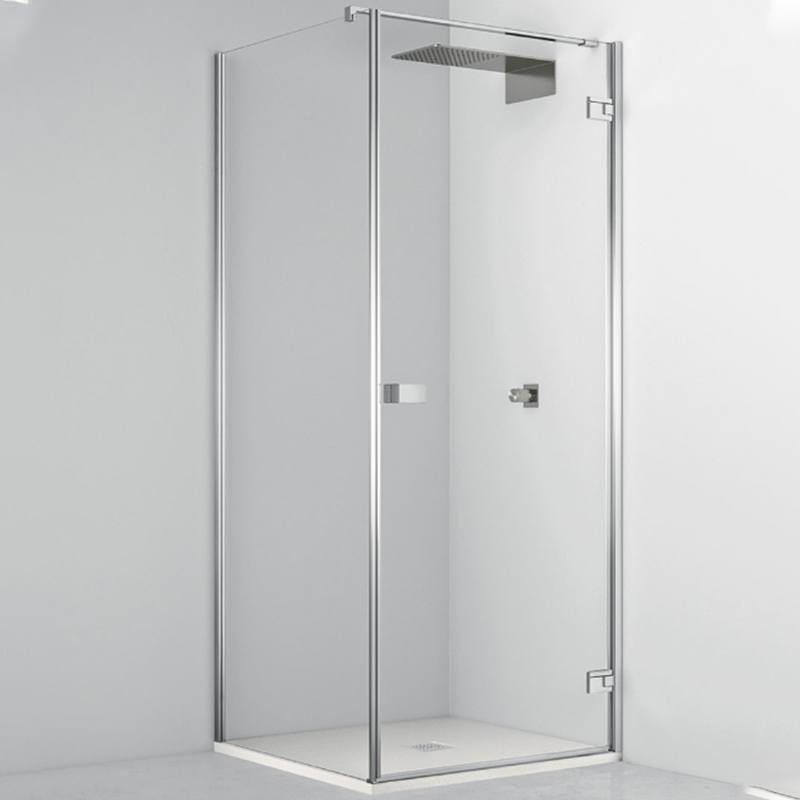
Square cabins utilize corner space efficiently but feature straight glass lines instead of curves. They offer a modern, architectural look. Rectangular cabins are typically installed along a single wall rather than in a corner. These enclosures provide the most generous internal space, closely mimicking the experience of a traditional walk-in shower while still offering full enclosure. Rectangular models are ideal for larger bathrooms where floor space is not a limiting factor.
Understanding Glass Thickness and Material Quality
The glass used in a shower cabin is not just a transparent barrier; it is a critical structural component. All quality shower cabins must use tempered safety glass, which is heat-treated to increase its strength. In the rare event of breakage, tempered glass shatters into small, blunt fragments rather than sharp shards, significantly reducing the risk of injury. The thickness of this glass plays a major role in the cabin's stability, acoustic properties, and overall premium feel.
Thinner glass tends to flex more and can rattle during operation, whereas thicker glass provides a solid, sturdy feel and better sound dampening. However, thicker glass is heavier, requiring more robust hardware and secure wall anchoring. It is essential to balance the desire for a premium feel with the structural capabilities of your bathroom walls.
| Glass Thickness | Stability and Feel | Best Application |
|---|---|---|
| 5mm to 6mm | Standard stability, lighter weight | Budget cabins, small quadrant enclosures |
| 8mm | Good rigidity, solid acoustic dampening | Mid-range cabins, standard family bathrooms |
| 10mm or more | High-end sturdiness, very minimal flex | Luxury frameless cabins, large enclosures |
Hardware and Framing Choices for Longevity
The framing system and hardware components determine the long-term durability and maintenance requirements of the shower cabin. Framing refers to the metal profiles that hold the glass panels in place. The choice between fully framed, semi-frameless, and completely frameless designs significantly impacts both the visual aesthetic and the structural support of the enclosure.
Fully Framed Enclosures
Fully framed cabins feature metal tracks around all four sides of every glass panel. This design offers maximum structural support, making it easier to install thinner glass securely. The continuous framing also ensures excellent water tightness along the edges. However, the extensive metalwork can make the bathroom feel slightly closed in and creates more crevices where dirt and soap scum can accumulate.
Frameless Enclosures
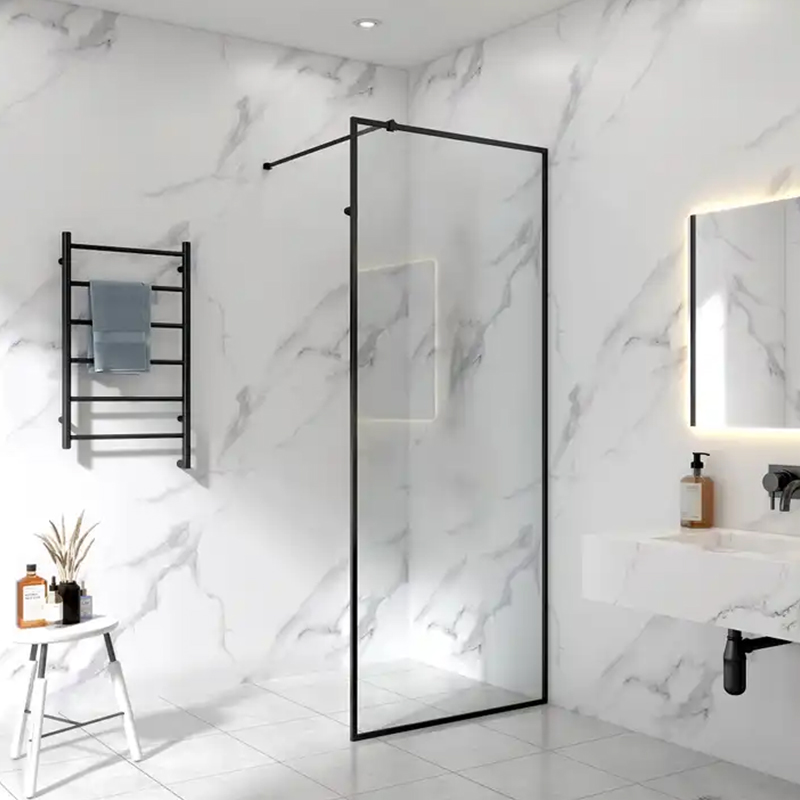
Frameless cabins rely entirely on the strength of thick, tempered glass and heavy-duty hinges and clamps, with minimal metal profiling only at the wall joints and floor. This design provides a seamless, modern look that makes the bathroom appear larger and more open. Frameless designs are significantly easier to clean due to the lack of tracks and frames. However, they require precise installation and robust wall backing to support the heavy glass panels securely.
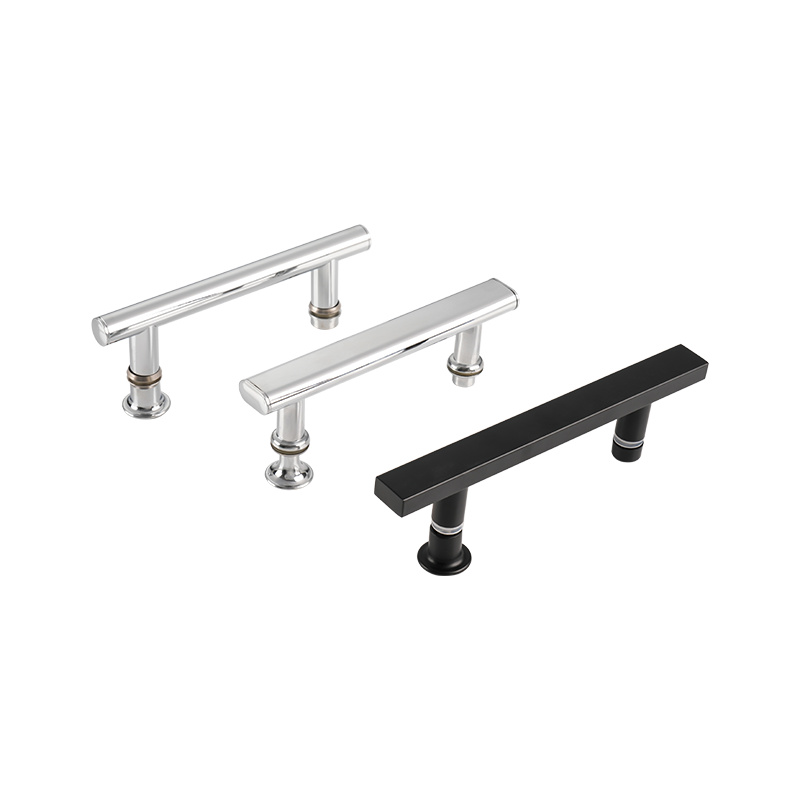
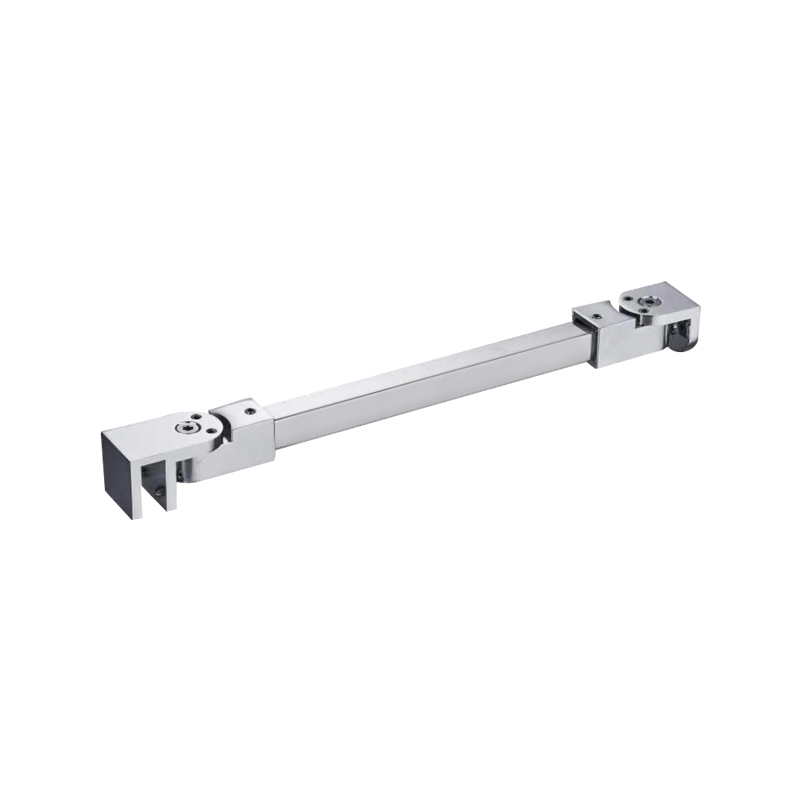
Regardless of the framing style, the hardware itself—specifically hinges, handles, and rollers—should be constructed from high-quality materials like solid brass or stainless steel. These materials resist corrosion and withstand the daily stress of opening, closing, and water exposure far better than cheaper alloys.
Installation Considerations and Site Preparation
Proper installation is critical to the performance and longevity of a shower cabin. Even the highest quality enclosure will fail if installed on an uneven surface or against inadequately waterproofed walls. Before purchasing a cabin, it is essential to evaluate the site conditions, particularly the levelness of the floor and the plumb of the walls.
If the floor is not perfectly level, the shower tray (if used) will rock, leading to stress cracks in the glass or failures in the silicone seals. Similarly, walls that are out of plumb will prevent the glass panels from sitting flush, causing doors to swing open or fail to close properly. In cases where the walls are significantly uneven, a fully framed cabin is often more forgiving than a frameless one, as the metal tracks can be slightly shimmed to accommodate minor discrepancies.
- Verify that the subfloor is structurally sound and perfectly level before placing the shower tray.
- Ensure the walls are tiled or finished with a highly water-resistant backing board.
- Use high-quality, mold-resistant silicone sealant along all internal and external joints.
- Confirm that the door swing area is completely clear of obstructions like towel rails or cabinets.
Maintenance and Cleaning Best Practices
To keep a shower cabin looking pristine and functioning smoothly, a consistent maintenance routine is required. The primary enemy of any glass shower enclosure is hard water. When water evaporates, it leaves behind mineral deposits like calcium and magnesium, which over time form a cloudy, stubborn scum on the glass surface. If left untreated, these deposits can etch the glass permanently, causing irreversible damage.
The most effective maintenance strategy is preventative. After every shower, using a squeegee to wipe down the glass panels takes only a moment but drastically reduces water spot formation. For deeper cleaning, it is vital to avoid abrasive scrubbers or harsh chemical cleaners that can scratch the glass or degrade the protective coatings and silicone seals.
When cleaning the hardware, a soft cloth dampened with warm water is usually sufficient. Avoid using acidic cleaners on metal hardware, as they can strip the protective finish and lead to pitting or rust. Periodically inspect the hinges and rollers, tightening any loose screws to ensure the door continues to operate smoothly and safely. By adhering to these simple practices, the functional lifespan of the shower cabin can be extended significantly, preserving both its beauty and utility for years to come.