

 中文简体
中文简体Installing a glass shower enclosure is arguably the most effective renovation decision for instantly modernizing a bathroom. Unlike traditional shower curtains or opaque walls, glass creates a seamless visual flow, making the entire room appear significantly larger and more inviting. The conclusion is simple: a glass enclosure not only elevates the aesthetic appeal of your home but also improves lighting efficiency and adds long-term property value. By allowing natural and artificial light to permeate freely, it eliminates the cave-like feeling often associated with small or partitioned bathrooms. Whether opting for a sleek frameless look or a sturdy framed structure, the result is a low-maintenance, hygienic barrier that turns a daily routine into a luxurious experience.
Transforming Space with Visual Continuity
One of the primary reasons homeowners gravitate towards glass installations is the visual expansion of space. In urban living environments where square footage is often limited, a solid wall or a dark shower curtain can visually cut the room in half, creating a cramped atmosphere. By replacing these barriers with transparent glass, the line of sight extends to the back wall of the shower, effectively doubling the perceived depth of the room. This design principle is particularly powerful in small apartments or older homes where bathroom layouts were not prioritized.
Beyond mere size perception, glass showers contribute to a cohesive design language. They allow intricate tile work or premium stone finishes within the shower area to become a focal point of the room rather than a hidden secret. This exposure encourages homeowners to invest in higher quality interior finishes, knowing they will be visible and appreciated from the vanity area. Furthermore, the reflective quality of glass helps to bounce light around the room, reducing the need for excessive artificial lighting during the day and creating a brighter, more energetic environment to start the morning.
Framed Versus Frameless Enclosures
Choosing the right enclosure structure is a pivotal decision that balances budget, maintenance, and aesthetic preference. The two dominant categories are framed and frameless systems, each serving distinct functional needs.
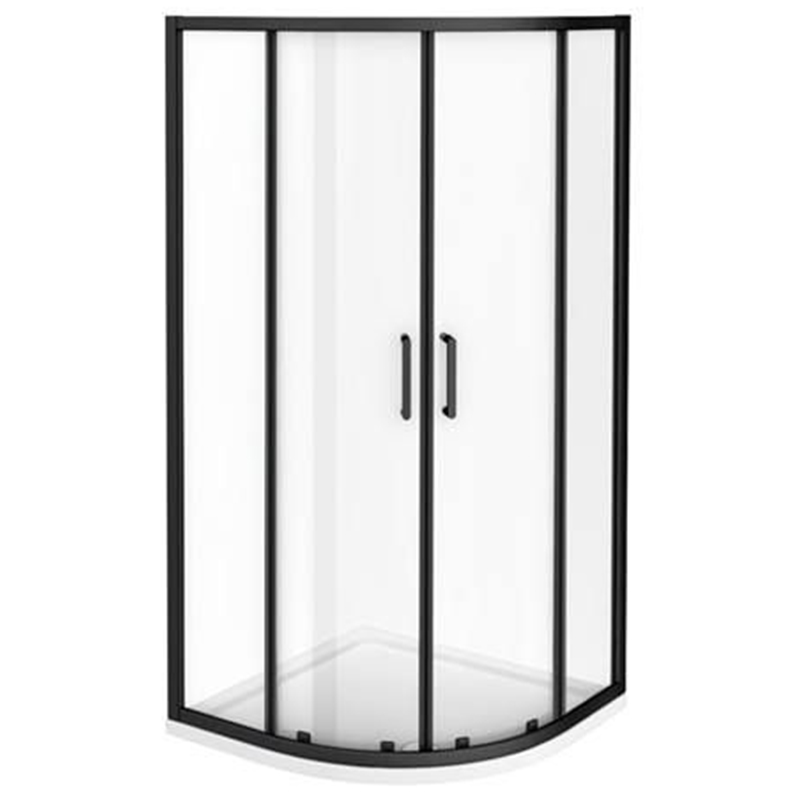
Framed glass showers utilize a metal border—often aluminum—to secure the glass panels to the walls and each other. This framework provides structural integrity, allowing for the use of thinner, more economical glass. The tracks and frames, however, can trap moisture and soap scum, requiring diligent cleaning to prevent mold growth. They are an excellent choice for budget-conscious renovations where durability is prioritized over minimalist style.
In contrast, frameless glass showers represent the pinnacle of modern design. By using heavy-duty clips, hinges, and minimal hardware, these enclosures rely solely on the thickness of the glass for stability. The lack of metal framing creates a clean, uninterrupted line that feels premium and open. While they typically command a higher price point due to the specialized hardware and thicker glass required, the ease of cleaning and the timeless aesthetic make them a superior long-term investment for many property owners.
| Feature | Framed Enclosure | Frameless Enclosure |
| Glass Thickness | Thinner (approx. 3/16") | Thicker (3/8" to 1/2") |
| Aesthetic Style | Traditional / Functional | Modern / Minimalist |
| Maintenance | Tracks require scrubbing | Easy wipe-down |
| Cost Factor | More Affordable | Higher Investment |
Understanding Glass Thickness and Safety
The thickness of the glass is not merely an aesthetic choice; it is a critical safety and structural factor. All glass used in shower enclosures must be tempered safety glass. This process ensures that if the glass breaks, it shatters into small, blunt pebbles rather than jagged shards, significantly reducing the risk of injury. The thickness selection generally depends on the support system.
- 3/16 inch (approx. 5mm): Commonly used for framed or semi-framed doors. It is lightweight and cost-effective but requires the metal frame to prevent flexing and breaking.
- 3/8 inch (approx. 10mm): The industry standard for frameless enclosures. This thickness provides a substantial feel, sound-dampening qualities, and rigidity without the need for perimeter framing.
- 1/2 inch (approx. 12mm): The premium choice for high-end luxury installations. It offers maximum stability, a heavier door swing, and superior sound insulation, often used in large walk-in showers.
Exploring Glass Textures and Finishes
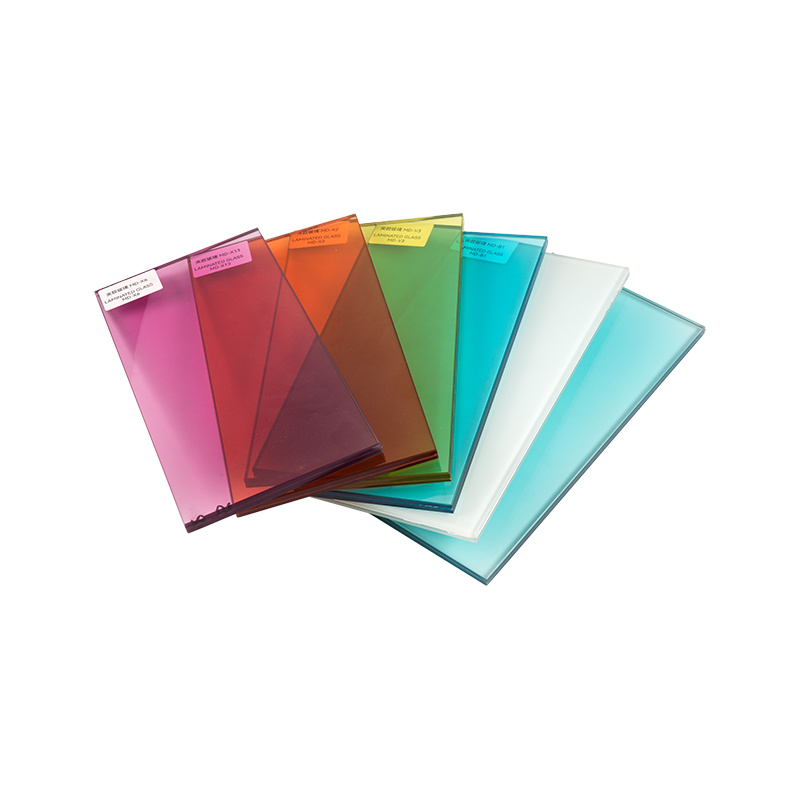
While clear glass remains the most popular choice, various textures and finishes can solve specific privacy or design challenges. The selection of glass type can fundamentally alter the mood of the bathroom.
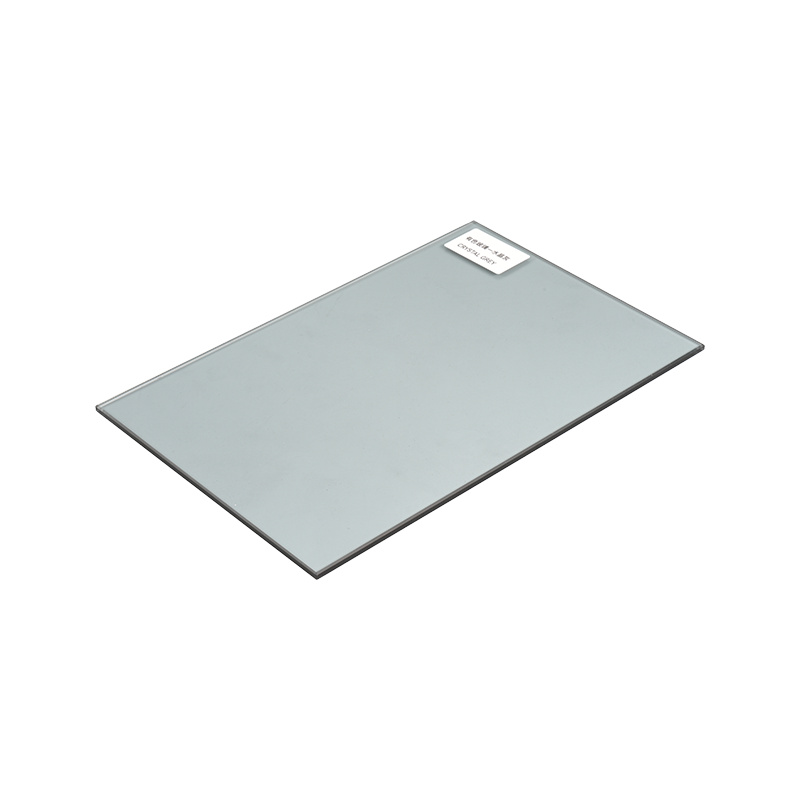
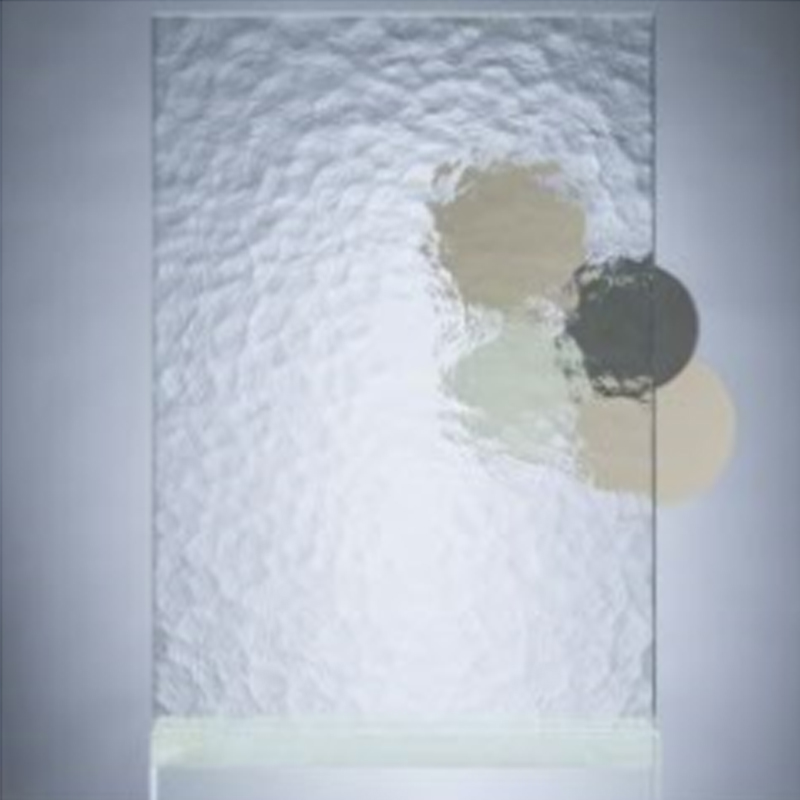
Clear glass is the standard for showcasing tile work, but it requires the most cleaning as water spots are highly visible. Frosted glass, created by sandblasting or acid etching, offers a translucent appearance that diffuses light while obscuring silhouettes. This is an ideal solution for shared family bathrooms where privacy is essential. For those seeking an artistic touch, patterned glass features designs ranging from rain textures to reeded lines, adding a layer of visual interest that can hide minor soap scum or water marks between cleanings.
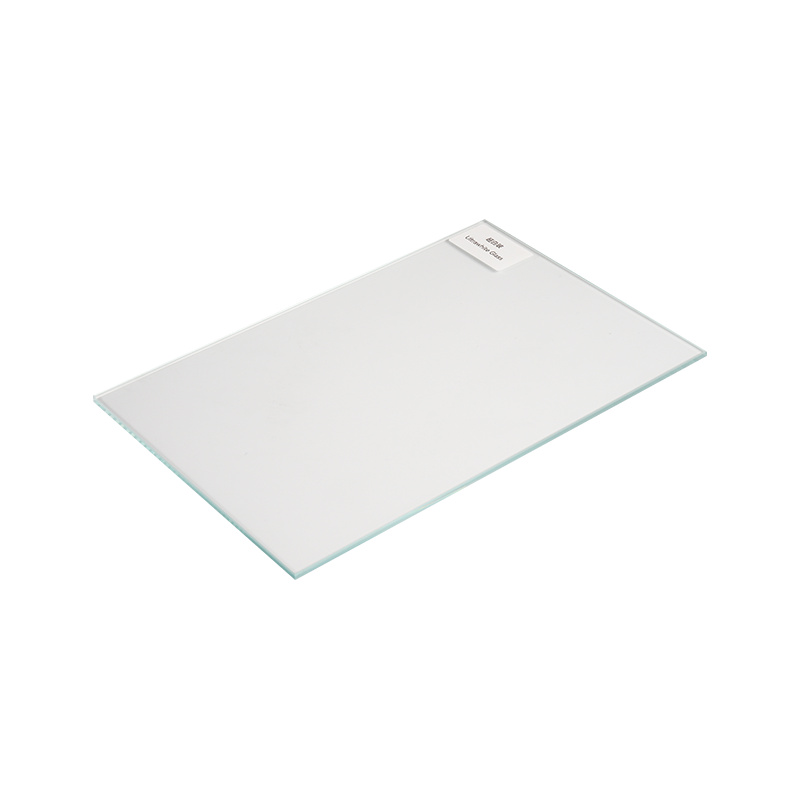
Another sophisticated option is low-iron glass. Standard clear glass contains trace amounts of iron oxide, which gives it a slight green tint, particularly noticeable at the edges. Low-iron glass eliminates this coloration, offering exceptional clarity and color rendering, making it the perfect canvas for white or light-colored marble tiles where color accuracy is paramount.
Effective Maintenance Strategies
Keeping a glass enclosure pristine does not require expensive chemicals, but it does demand consistency. The primary enemy of glass is hard water deposits, which can etch the surface over time if left unchecked. Implementing a few simple habits can extend the life and luster of the installation indefinitely.
- Daily Squeegee Routine: Keeping a squeegee in the shower and wiping down the glass after every use removes water before it has a chance to evaporate and leave mineral deposits. This thirty-second habit eliminates the need for deep scrubbing later.
- Ventilation: Ensuring the bathroom fan is run during and after showering helps evaporate moisture from the glass surface and reduces humidity levels that encourage mold growth in silicone seals.
- Weekly Vinegar Solution: A mixture of white vinegar and water is effective at dissolving mild soap scum and mineral buildup. It is a natural, non-toxic alternative to harsh chemical sprays.
For those looking to minimize maintenance effort, protective coatings are a viable solution. These factory-applied or aftermarket treatments bond to the glass surface, creating a hydrophobic barrier. This barrier causes water to bead up and roll off, reducing cleaning time by up to 50% and preventing the adherence of soap scum and hard water stains.
Hardware and Configuration Options
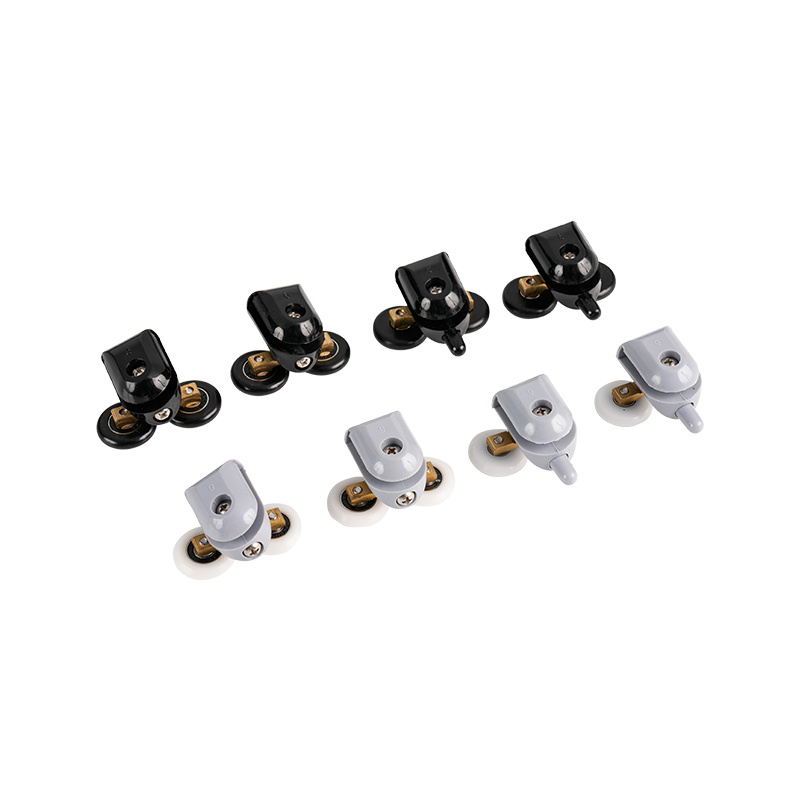
The functionality of a glass shower is defined by its hardware configuration. The choice of door swing and handle design impacts the daily user experience. Pivot doors are standard for single-panel enclosures, swinging outward for safety and accessibility. For tighter spaces, a sliding barn-door style mechanism saves floor space while adding a trendy design element.
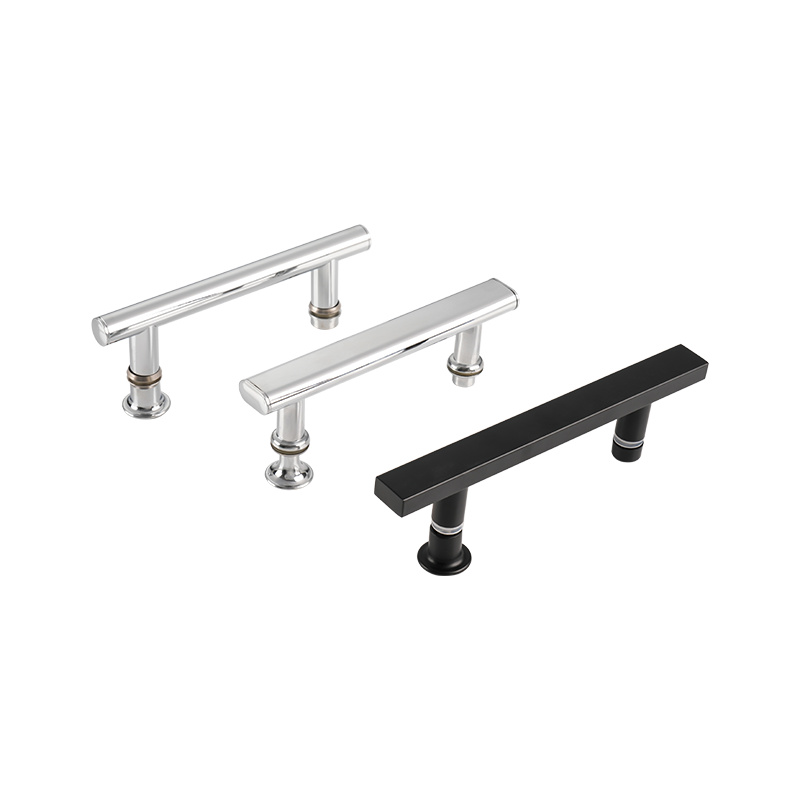
Hardware finishes have evolved beyond chrome. Matte black, brushed nickel, and oil-rubbed bronze allow homeowners to match the shower hardware to other bathroom fixtures like faucets and towel bars. It is crucial to select hardware made from solid brass or high-quality stainless steel to prevent corrosion and rust in the humid environment. Inferior plated hardware can peel or degrade, compromising the look of the entire enclosure.