

 中文简体
中文简体A bathroom renovation specifying laminated safety glass for 26 shower panels and a lobby partition came down to one question: which interlayer would hold its edge bond next to steam and daily thermal cycling?
Their supplier, Zhejiang MingDing Glass Technology Co., Ltd. (MD Glass), answered with EVA lamination. EVA laminated glass is a safety glazing product in which one or more ethylene-vinyl acetate copolymer films are fused between glass panes under heat and vacuum, producing a moisture-resistant bond with low haze and strong adhesion. Interlayer chemistry determines edge stability, acoustic performance, UV filtering, and how much design freedom a glass unit can carry.
This article covers how EVA laminated glass is manufactured, how EVA compares with PVB and SGP interlayers, where it delivers the most value, and what a buyer should verify before approving a custom glass order.
What Is EVA Laminated Glass and How Is It Manufactured?
EVA laminated glass is produced by cross-linking an ethylene-vinyl acetate interlayer in a vacuum oven, so it does not require the high-pressure autoclave that PVB lamination depends on.
The film starts as a slightly tacky thermoplastic sheet. As the vacuum bag pulls air out, the glass-film stack is heated to 130-150 C for a controlled soak time; the EVA polymer cross-links into a thermoset-like bond. Once cured, it will not re-melt at normal service temperatures, which is what gives EVA edges their resistance to moisture migration.
- Cut and wash the glass panes to final size with uniformly chamfered edges.
- Lay the EVA film between two or more panes, adding printed PET, mesh, or tinted films when specified.
- Place the stack into a vacuum bag and pull a tight vacuum to remove trapped air.
- Heat the unit to 130-150 C in the oven so the film flows and then cross-links.
- Cool slowly, trim edges, and inspect for haze, bubbles, or bond-line defects.
0.38-1.52 mmStandard EVA interlayer thickness range for architectural, shower, and furniture glazing.
130-150 CVacuum oven cross-linking window that converts the film into a stable, non-melting bond.
60-90 minTypical full oven cycle including heat-up, soak, and cooling for a standard two-pane unit.
1%Low-haze threshold that premium clear EVA interlayers can hold after full cross-linking, keeping partitions and storefront panels visually neutral.
The same oven cycle can encapsulate non-glass layers: printed PET film, fabric, metal mesh, and thin photovoltaic cells bond firmly because the film flows around their surface texture before cross-linking occurs.
EVA vs PVB vs SGP: Which Interlayer Fits Your Glazing Specification?
For humid indoor spaces, decorative panels, and printed interlayers, EVA delivers better edge stability than PVB; for large exterior facades and impact-rated glazing, PVB and SGP keep a longer field-proven record.
PVB dominates standard architectural glass because it is inexpensive, very clear, and well understood by facade engineers. SGP is the high-strength option when post-breakage performance is critical. EVA covers the gaps: wet zones, decorative assemblies, and low-volume custom sizes where an autoclave cycle is uneconomical. The detailed comparison of PVB, EVA, and SGP embossed films explains the material chemistry in more depth.
| Property | EVA interlayer | PVB interlayer | SGP interlayer |
| Lamination process | Vacuum oven, 130-150 C | Autoclave, 120-140 C | Autoclave |
| Edge stability in wet zones | Excellent, open-edge safe | Requires edge seal | Excellent |
| Typical haze | Below 1% achievable | Below 0.5% | Below 0.5% |
| Film thickness range | 0.38-1.52 mm | 0.38-1.52 mm | 0.89-2.28 mm |
| Best-fit applications | Shower, decor, printed film | Facades, skylights in dry cavities | Hurricane, structural glazing |
The boundary is not which film is stronger, but where the edge will live. EVA cross-links; PVB adheres. Cross-linked edges tolerate water vapor; adhered edges need a continuous seal to stay dry.
EVA vs PVB interlayer performance
Rated 1-10 for typical humid indoor laminated glass specifications
EVAPVB
Edge moisture resistance
Sound dampening
UV rejection
Optical clarity
Lamination flexibility
Where EVA Laminated Glass Delivers the Most Value: Shower Screens, Partitions, and Safety Panels
EVA lamination is the most dependable interlayer choice for glass units that will face steam, splash water, and cleaning agents, because the cured film keeps a stable open edge even when trimmed for tight sight lines.
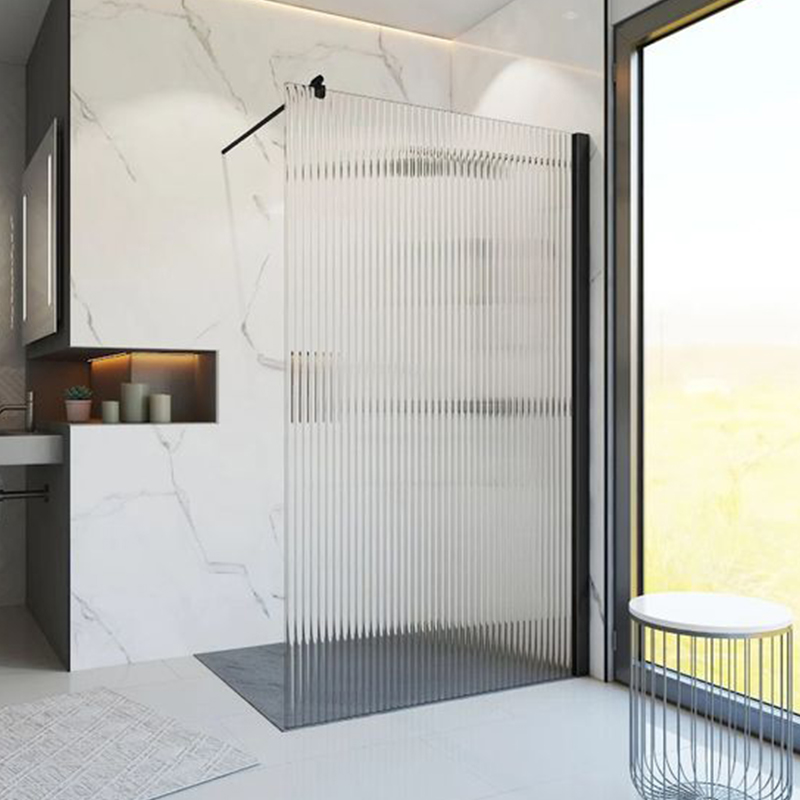
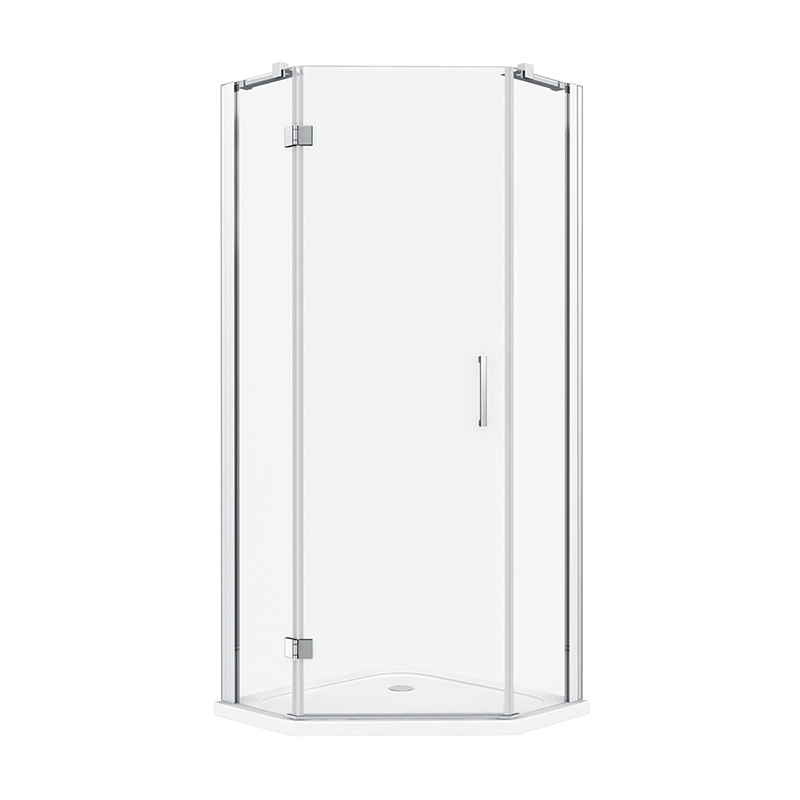
Shower doors remain predominantly monolithic tempered glass. EVA lamination earns its place in the fixed panels beside the door, in partitions that separate the shower from the vanity, and in decorative screens where a printed or colored interlayer replaces a surface film that could peel. The same logic applies to cabinet doors, indoor balustrades, and furniture tops that demand impact retention without visible glue lines.
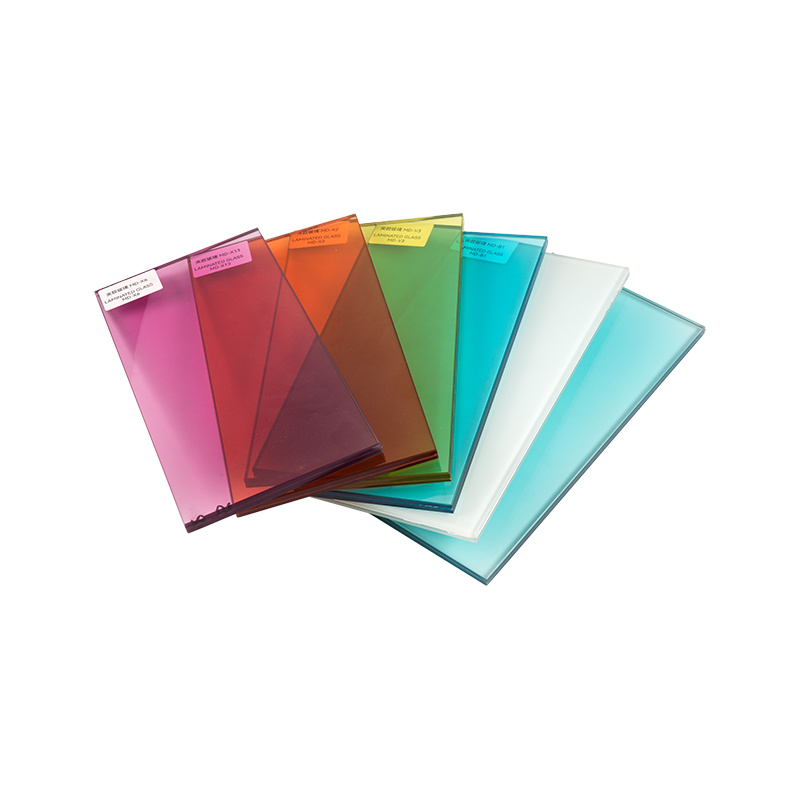 Radiation-Proof Colored Laminated Glass with EVA and PVB InterlayersThis composite glass bonds tempered panes with colored EVA or PVB films, offering UV blocking, sound insulation, and impact retention. Given the preceding discussion on fixed shower panels, it suits decorative partitions where printed or colored interlayers are preferred over surface films.View Product →
- Shower screens and enclosures where edge sealing of PVB is hard to guarantee.
- Wet-room cubicles and steam rooms with continuous high humidity.
- Indoor balustrades and stair panels that need post-breakage retention.
- Furniture tops and cabinet doors with printed or colored interlayers.
- Decorative feature panels where the interlayer itself is part of the design.
Impact-tested laminated glass qualifies as safety glass under EN 14449 and, in the United States, under ANSI Z97.1 and CPSC 16 CFR 1201. For shower doors that must meet building codes, verify the stamped certification on the actual unit, not only on the film datasheet.
What to Verify When Choosing an EVA Laminated Glass Supplier
A dependable EVA laminated glass supplier documents interlayer brand, gel content, and oven cycle records for each batch; if those records are missing, edge delamination risk increases sharply.
EVA film is hygroscopic before lamination. Film stored above 30 C or exposed to humid air will carry moisture into the bond, producing bubbles or opacity after months in service. Storage conditions inside the factory matter as much as the final product data sheet. Ask whether the film sits in a climate-controlled, sealed area and whether every lamination load is logged with time and temperature curves.
This discipline separates suppliers such as Zhejiang MingDing Glass Technology Co., Ltd. from unverified traders. MD Glass operates 50,000 tons of annual tempered glass capacity and holds 3C and CE certifications on multiple thicknesses, so interlayer work is backed by production lines already audited for safety glass.
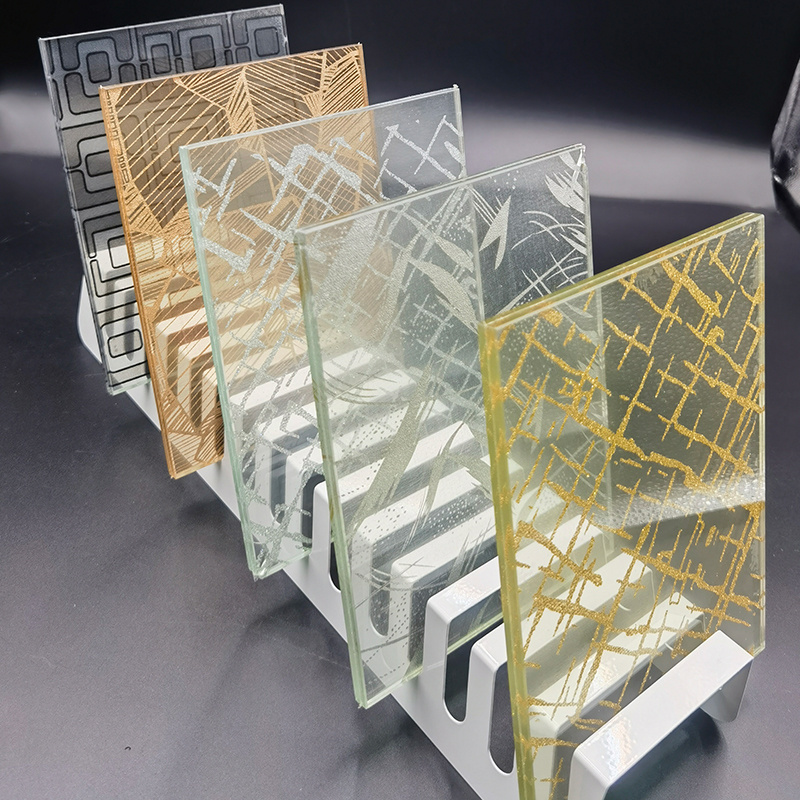 Wired Laminated Glass with Customizable PVB, EVA, or SGP InterlayersFeaturing diverse interlayer patterns and strong adhesion, this laminated glass remains intact upon impact and provides insulation. In context, it supports the supplier's certified production capacity, making it a practical option for commercial facades and residential partitions.View Product →
- Confirm 3C and CE certificates list the exact glass thickness you plan to order; 4-8 mm certificates do not cover 12 mm units.
- Ask for interlayer brand and gel content after curing, targeting 85% or higher cross-linking.
- Inspect a trimmed edge sample for uniform film inset, no bubbles, and no dark bond-line discoloration.
- Request UV transmittance data for radiation-proof or anti-UV laminated glass products.
- Verify delivery tolerances: standard laminated glass thickness tolerance is about +/- 0.5 mm, and bow should stay within 3 mm per meter unless otherwise agreed.
Practical test: ask the supplier to cut a 300 x 300 mm EVA laminated sample, soak it in water at 40 C for 24 hours, and re-check the edge for whitening or separation. Samples that pass this test usually survive a bathroom environment for years.
Color, Texture, and Functional Design Options with EVA Interlayers
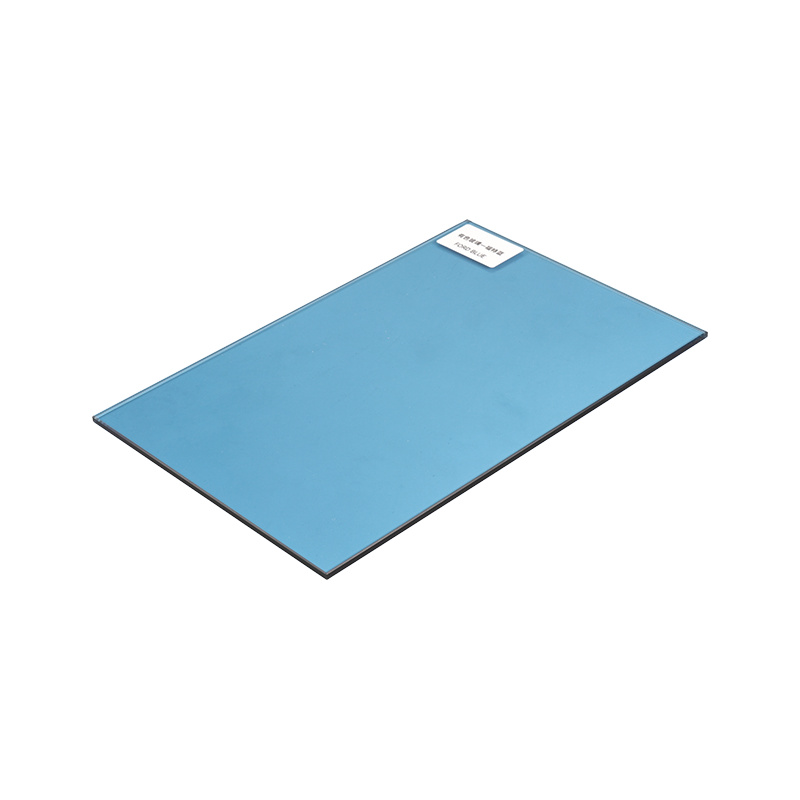
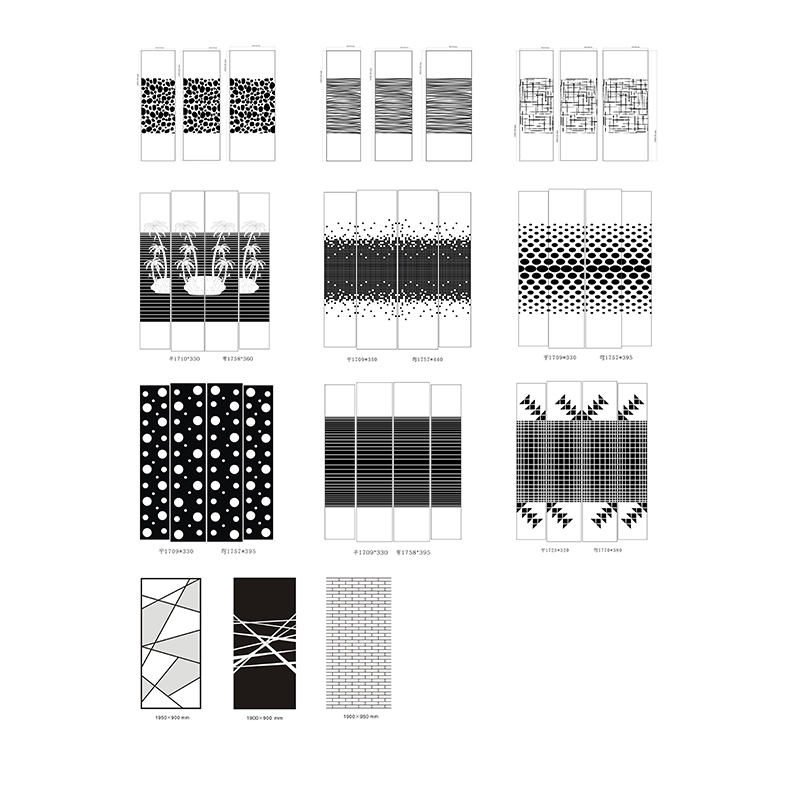
EVA interlayers push decorative glass beyond a simple tint: almost any thin sheet, such as printed PET film, silk-screen film, low-transmittance tinted film, or metallic mesh, stays encapsulated in the laminate without the print cracking that ceramic frit can suffer on curved glass.
Because the vacuum oven process operates at lower temperature than a frit-firing cycle, color films keep their exact hue across the panel. Full-surface color stays uniform, and the interlayer also contributes UV filtering: radiation-proof EVA laminated glass can block up to 99% of UV radiation while keeping the visible light transmittance you specify.
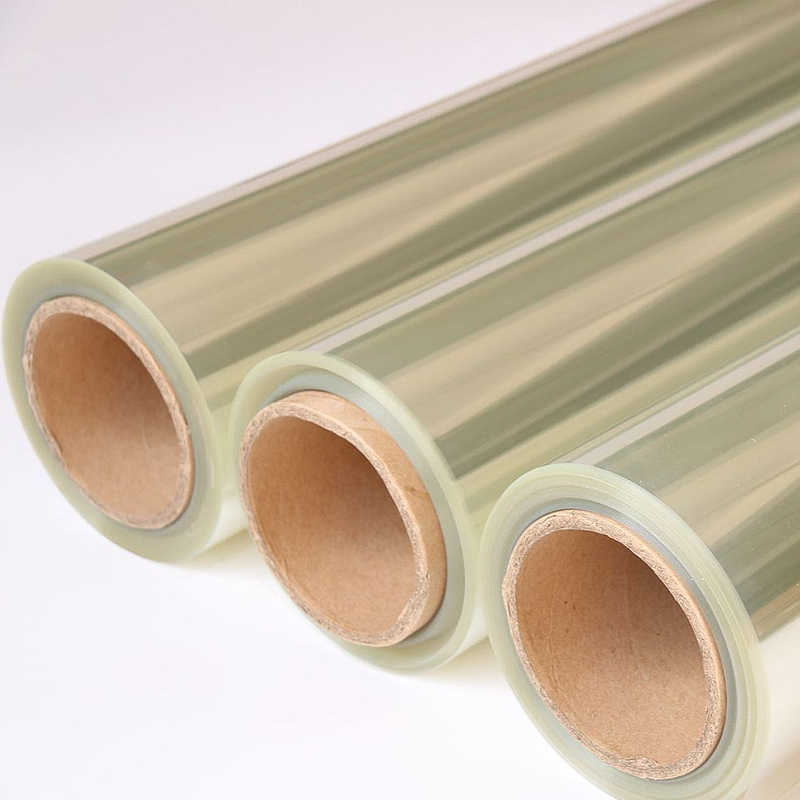 Explosion-Proof Heat-Insulating Anti-UV Glass FilmThis surface film reduces heat transfer, blocks UV rays, and mitigates glare while also holding glass fragments in place if shattered. The surrounding text mentions uniform color and up to 99% UV filtering, so this film is relevant for retrofit applications on existing glass.View Product →
Decorative routes with EVA
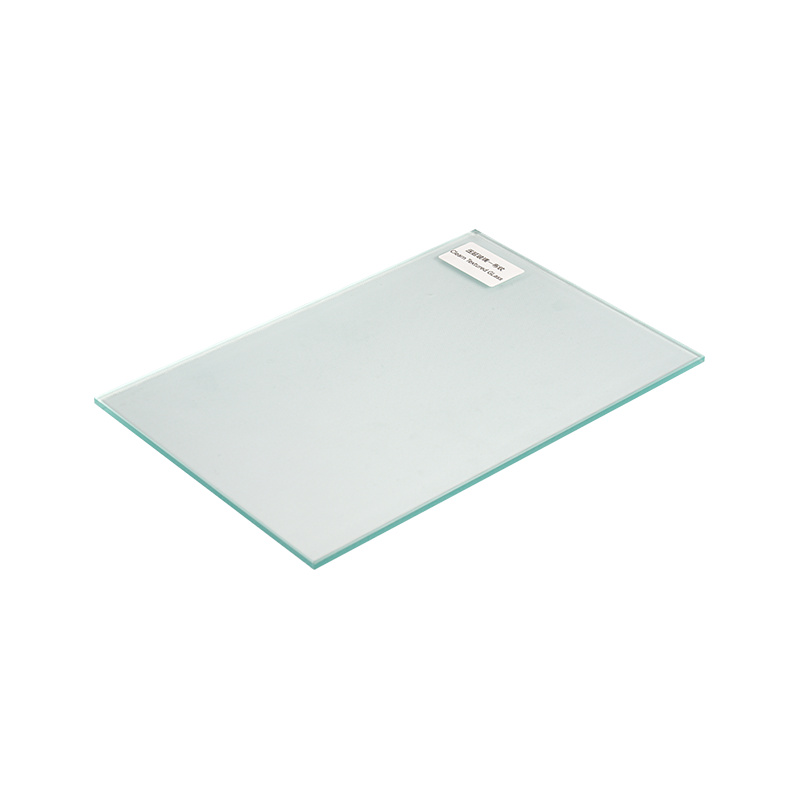
Printed PET and silk-screen films for logos and patterns; colored PVB-toned film sandwiched between clear glass; sandblasted and water-textured glass laminated to a colored backing for a backlit effect.
Functional routes with EVA
Anti-UV film for furniture display cases; heat-insulating film for skylight covers under architectural canopies; wired or mesh lamination for security panels where a visible mesh adds deterrence.
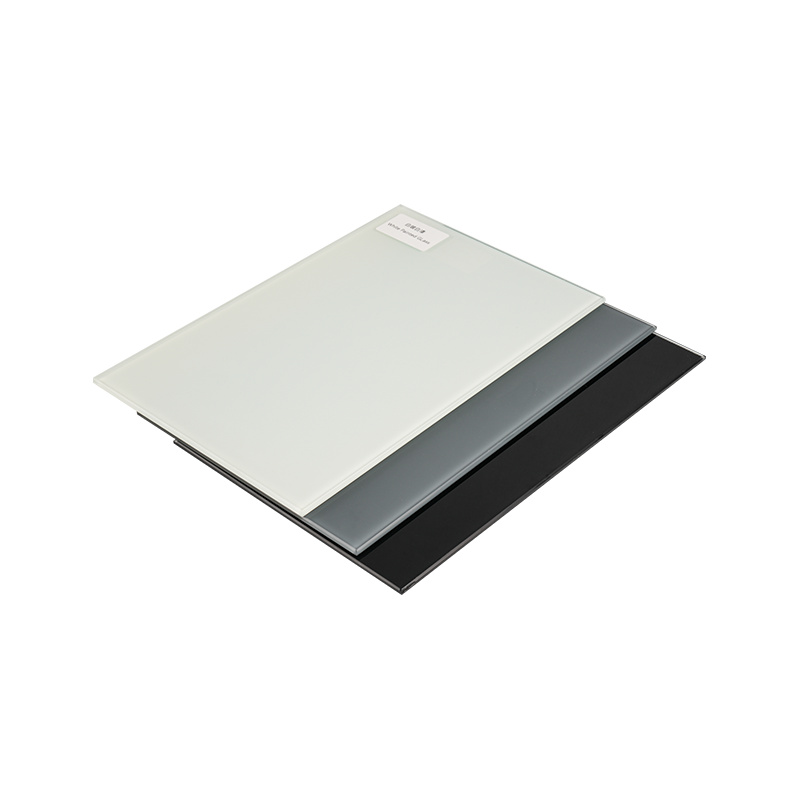
A printed PET film loses nothing during EVA lamination because the vacuum and 130-150 C cycle do not melt the PET core; this is also the reason EVA remains the default process for back-painted and screen-printed glass.
Frequently Asked Questions About EVA Laminated Glass
What is EVA laminated glass used for?
EVA laminated glass is used for shower screens, wet-room partitions, cabinet doors, indoor balustrades, furniture tops, and decorative feature panels. Its moisture-resistant edge bond and low lamination temperature make it the first choice whenever glass must encapsulate printed films or survive humid conditions.
Can EVA laminated glass replace tempered glass?
No. EVA lamination provides post-breakage retention and sound damping, while tempering provides bending strength and small-particle breakage. The two processes serve different risks; many safety glass specifications combine them, but a laminated unit is not automatically a substitute for a tempered panel where the building code requires tempering.
What is the difference between EVA and PVB film in laminated glass?
EVA cross-links during lamination in a vacuum oven, resists moisture at open edges, and can encapsulate fabrics and printed films. PVB requires autoclave lamination, offers very high optical clarity, and has a longer exterior track record, but it needs a sealed edge to prevent moisture ingress in wet environments.
Is EVA laminated glass suitable for outdoor facades?
Yes, for covered or semi-exposed positions such as canopies, balcony parapets, and recessed storefront panels. For fully exposed facades and impact-rated envelopes, PVB and SGP remain the conventional specification because of decades of outdoor performance data. If EVA is used externally, specify UV-stabilized film and verify the specific climate performance with the manufacturer.
Quick takeaway: match interlayer chemistry to humidity and design freedom, then verify certification and edge quality before ordering.