

 中文简体
中文简体When selecting a shower door, the most critical factors to consider immediately are safety standards and long-term maintenance. You should prioritize tempered safety glass as a non-negotiable feature, as it is significantly stronger and safer than standard annealed glass. Furthermore, investing in a high-quality protective coating is essential for minimizing cleaning time and preserving the clarity of the glass. While aesthetics are important, a shower door must first function as a durable, water-tight barrier that enhances safety and hygiene in the bathroom.
Understanding Glass Materials and Safety Standards
The core component of any shower enclosure is the glass itself. Not all glass is created equal, and understanding the material composition is vital for safety and durability. In modern construction, specific safety standards dictate the type of glass used in wet areas to prevent injury in case of breakage.
The Necessity of Tempered Glass
Tempered glass is treated with thermal or chemical processes to increase its strength compared to normal glass. The most important characteristic of tempered glass is its safety mechanism. When broken, it crumbles into small, granular chunks instead of jagged shards, significantly reducing the risk of serious injury. Building codes in most regions mandate the use of tempered glass for shower doors, tub enclosures, and bathroom windows. It is typically four to five times stronger than standard glass, making it capable of withstanding the daily impact and thermal stress of a bathroom environment.
Laminated Glass as a Secondary Option
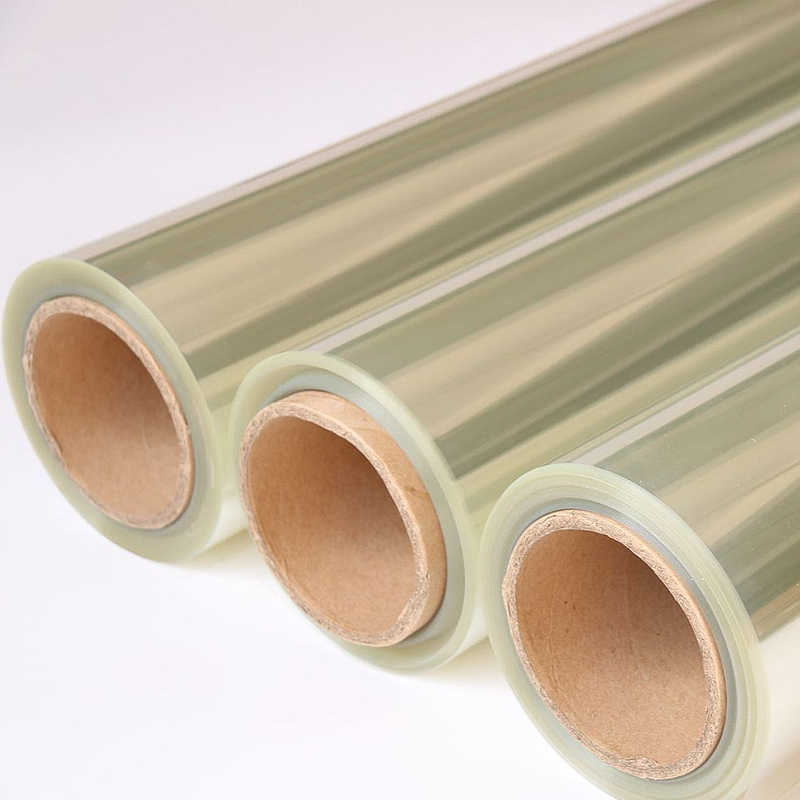
While less common for standard shower doors, laminated glass offers another layer of security. This type consists of two or more layers of glass bonded together with an interlayer, typically polyvinyl butyral (PVB). If the glass breaks, the fragments stick to the interlayer rather than falling, keeping the barrier intact. This option is often considered for overhead shower panels or specific aesthetic designs where privacy and total retention of glass shards are prioritized.
Glass Thickness and Stability
The thickness of the glass plays a pivotal role in the structural integrity and the "heavy" luxury feel of the door. Thinner glass may feel flimsy and is more prone to vibration or rattling when the door is moved.
- 3/8 inch (approx. 10mm) glass: This is a popular choice for frameless doors as it provides a substantial, premium feel and excellent stability.
- 1/4 inch (approx. 6mm) glass: Often used for framed doors or lighter budget-friendly frameless options.
- 1/2 inch (approx. 12mm) glass: Used for extremely large or heavy custom installations where maximum rigidity is required.
| Glass Type | Breakage Pattern | Primary Use Case |
|---|---|---|
| Tempered Glass | Small, blunt pebbles | Standard shower doors |
| Laminated Glass | Spiderweb pattern, holds together | Overhead panels, high safety needs |
| Annealed Glass | Sharp, dangerous shards | Not recommended for shower doors |
Glass Finishes: Privacy vs. Openness
Beyond safety and thickness, the visual appearance of the glass defines the atmosphere of the bathroom. The choice between clear, frosted, and patterned glass affects both privacy and light transmission.
Clear Glass
Clear glass is the most popular choice for modern bathrooms. It allows light to pass through freely, making the space feel larger and more open. It also showcases the tile work and stonework inside the shower. However, clear glass requires more frequent cleaning because water spots and soap scum are highly visible.
Frosted and Obscure Glass
For bathrooms where privacy is a primary concern, or for shared bathrooms, frosted glass is an excellent solution. This glass is acid-etched or sandblasted to create a translucent surface that blurs images while still allowing light to filter through. Frosted glass is also practical because it helps hide water spots and fingerprints better than clear glass, reducing the perceived need for constant cleaning.
Low-Iron Glass for Color Clarity
Standard clear glass has a slight green tint caused by iron oxide content. In thicker applications, this tint becomes more noticeable. Low-iron glass removes this impurity, resulting in a truly clear, colorless glass. This is often chosen for luxury renovations to maximize clarity and show the true colors of the bathroom interior.
Framed vs. Frameless Configuration
The structural support of the shower door comes from either a metal frame or heavy-duty hardware. Deciding between framed and frameless styles impacts the installation complexity, cost, and aesthetic outcome.
Framed Shower Doors
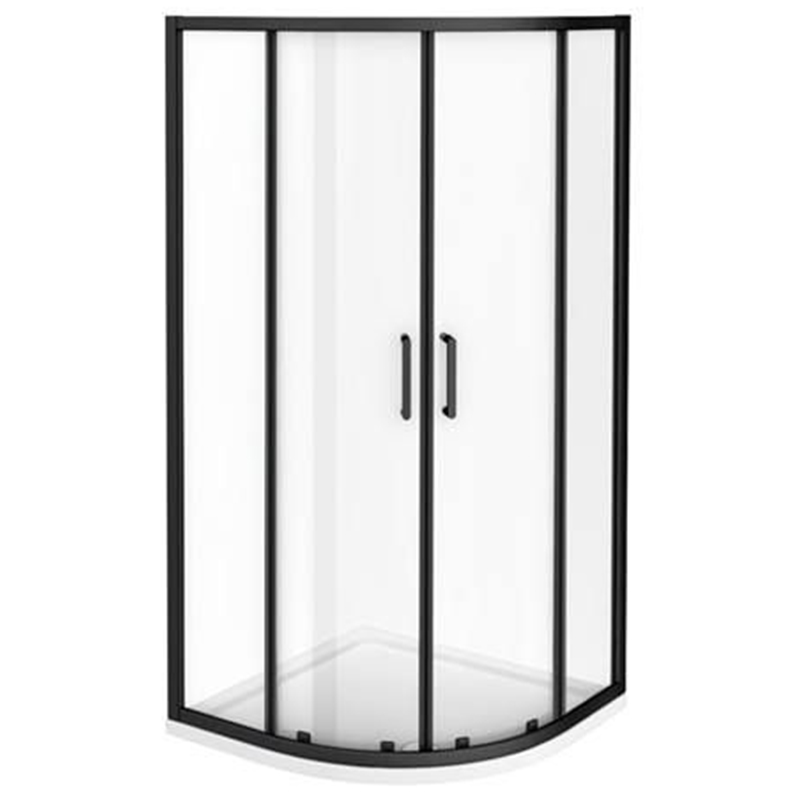
Framed doors utilize a metal frame around the perimeter of the glass panels to provide structural support. Because the frame holds the glass, the glass itself can be thinner, making this a more cost-effective option. The frames are effective at containing water within the shower area due to the tight seals used around the edges.
Frameless Shower Doors
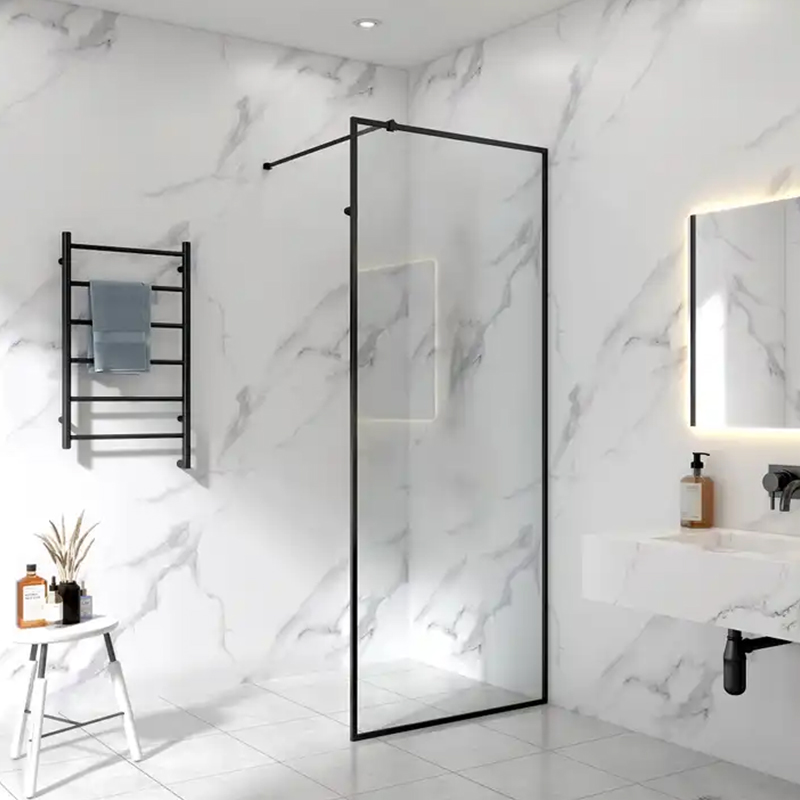
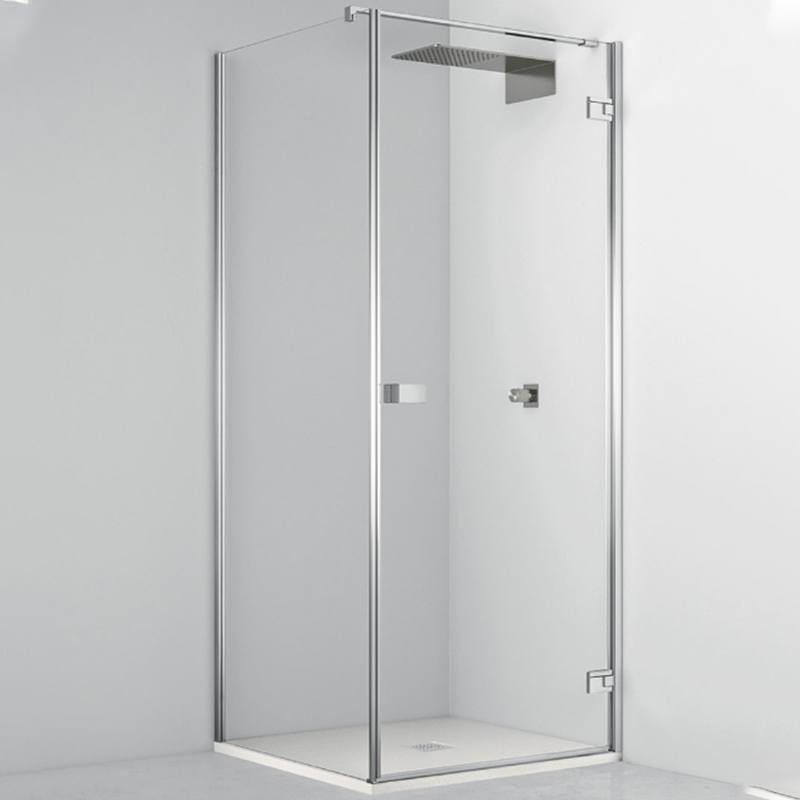
Frameless shower doors are constructed from thick tempered glass that is supported by minimal hardware, such as hinges and clamps, rather than a full metal frame. This design offers a sleek, modern look that opens up the visual space of the bathroom. While frameless doors are aesthetically superior, they rely on precise engineering and heavy-duty hinges to ensure stability. They may also require slightly more attention to water containment, as there are fewer channels to catch water runoff compared to framed models.
Protective Coatings and Maintenance
One of the biggest complaints homeowners have about shower doors is the buildup of hard water stains and soap scum. Maintaining the pristine look of glass requires understanding protective technologies and cleaning habits.
Hydrophobic Coatings
Many high-quality shower doors come treated with a hydrophobic coating, often referred to as "easy clean" or "titanium" coating. This treatment fills the microscopic pores of the glass surface, causing water to bead up and roll off rather than flatting out and forming droplets that dry into spots. A quality coating can reduce cleaning frequency by up to 90%, saving significant time and effort over the lifespan of the door.
Daily Maintenance Tips
Even with coatings, routine maintenance is necessary to prevent mineral buildup. The most effective method is simple prevention.
- Squeegee after every use: Removing water from the glass immediately after showering prevents hard water minerals from evaporating and leaving deposits.
- Ventilation: Running an exhaust fan during and after the shower reduces humidity, which slows down mold and mildew growth on seals and tracks.
- Soft cleaners: Avoid abrasive scrubbers or harsh chemicals like bleach, which can damage protective coatings and corrode metal hardware. A mixture of vinegar and water or a mild pH-neutral soap is usually sufficient.
Installation Considerations
The longevity and performance of a shower door depend heavily on proper installation. Unlike simple fixtures, shower doors require precise leveling and anchoring to ensure they operate smoothly and remain watertight.
Walls must be plumb and square to ensure the door seals correctly against the curb or wall. If the walls are out of alignment, adjustable hardware is required to compensate for the variances. Professional installation is highly recommended for frameless models due to the weight of the glass and the precision required for drilling into tile or stone. Improper installation can lead to leaks, hinge failure, or in worst-case scenarios, glass breakage due to uneven stress points.