

 中文简体
中文简体Selecting the right bathroom door requires a careful balance between moisture resistance, privacy, and spatial aesthetics. For homes prioritizing natural light and modern design, tempered glass doors are the optimal choice, offering superior waterproofing and the ability to visually expand a space. Alternatively, for layouts where traditional privacy and warmth are paramount, solid core wood doors treated with high-pressure laminate or PVC doors serve as excellent alternatives.
Core Functional Requirements for Bathroom Doors
Bathrooms are inherently high-humidity environments with frequent temperature fluctuations. Therefore, the door material must withstand continuous moisture exposure without warping, swelling, or developing mold. Moisture resistance is the most critical factor, closely followed by the ability to provide adequate privacy without severely impeding airflow. The door must also endure daily wear and tear, as bathroom doors are among the most frequently used barriers in any household.
- Moisture Resistance: The material must repel water to maintain structural integrity over time.
- Privacy Protection: An effective obscuring design is essential for personal bathroom use.
- Ventilation Compatibility: The door design should allow for some airflow or be paired with an effective exhaust system.
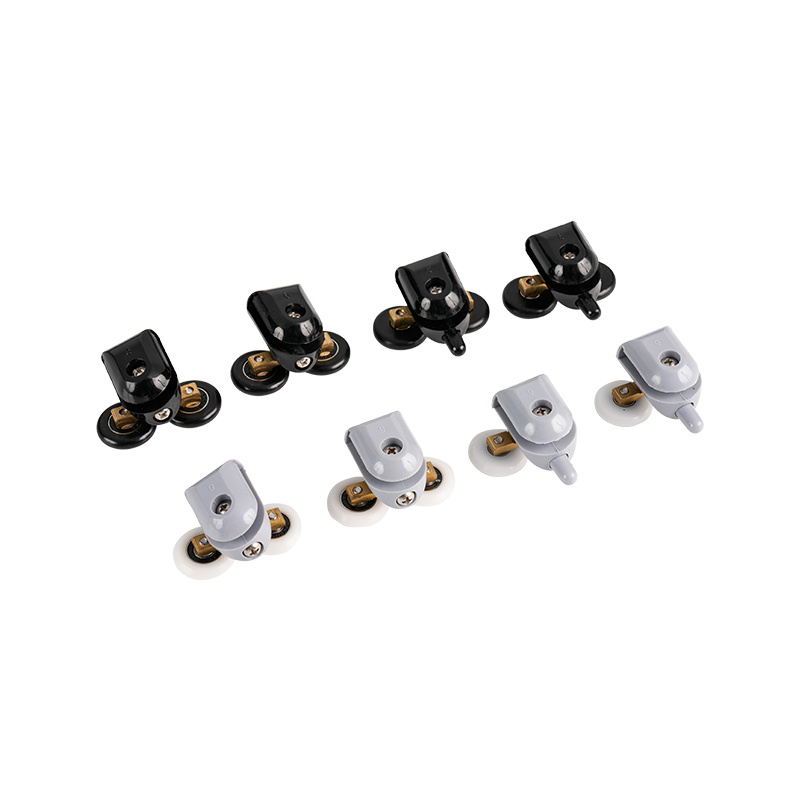
- Durability: Hardware and hinges must be rust-proof and capable of handling daily operation.
Why Glass Bathroom Doors are Highly Favored
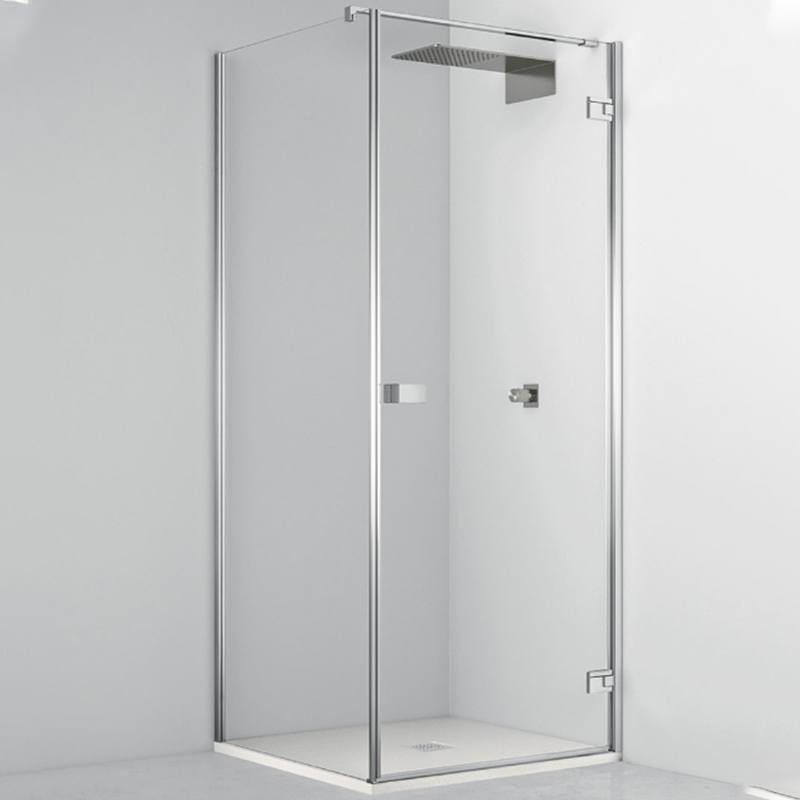
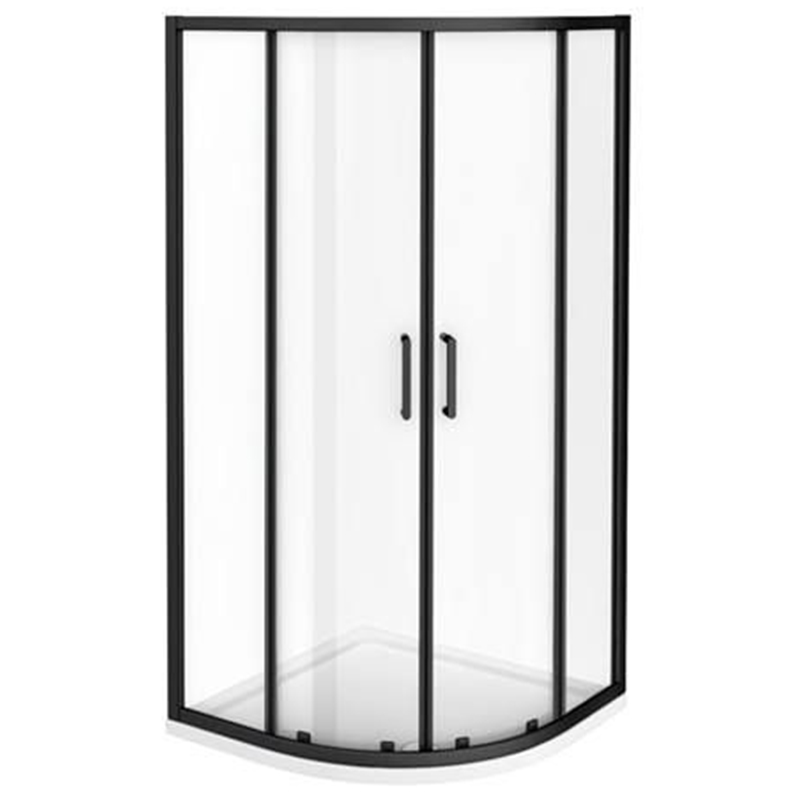
In contemporary interior design, glass has become increasingly popular for bathroom enclosures and entry doors. The primary advantage of glass is its complete immunity to water damage. Unlike wood, which can rot, or certain metals that might corrode, glass remains pristine indefinitely. Furthermore, glass doors can increase perceived natural light by a significant margin, making a small, enclosed bathroom feel significantly larger and more inviting.
Types of Glass Used in Bathrooms
Not all glass is created equal. For bathroom applications, safety and privacy dictate the specific type of glass utilized. Standard glass is never used due to the dangerous shards it produces upon breaking.
- Tempered Glass: Heated to high temperatures and cooled rapidly, this glass shatters into small, blunt pebbles rather than sharp shards. It is the industry standard for safety.
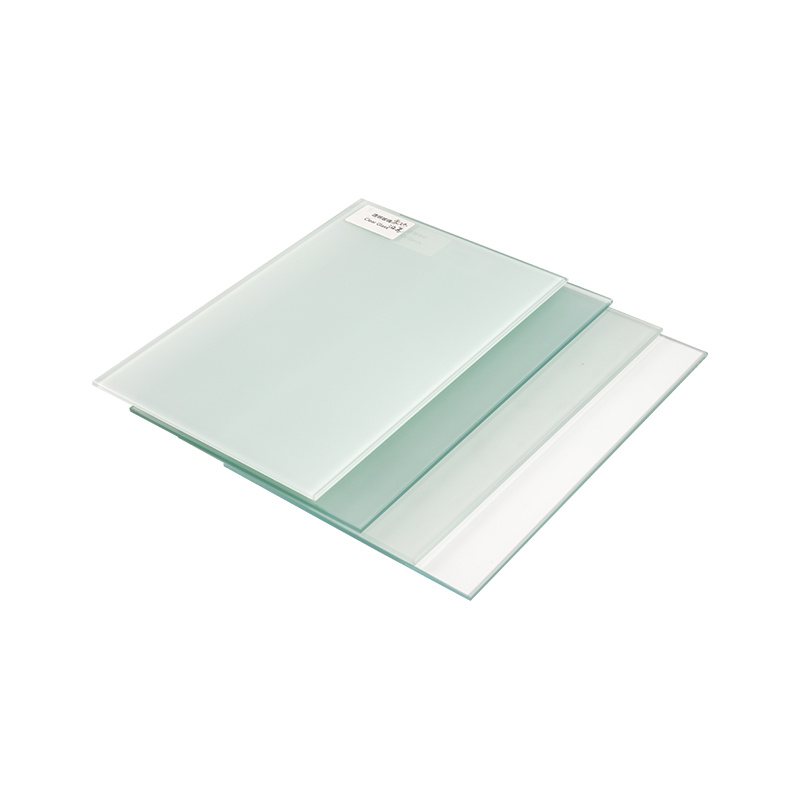
- Frosted Glass: Created by sandblasting or acid etching, this option diffuses light while completely obscuring silhouettes, making it perfect for shower enclosures.
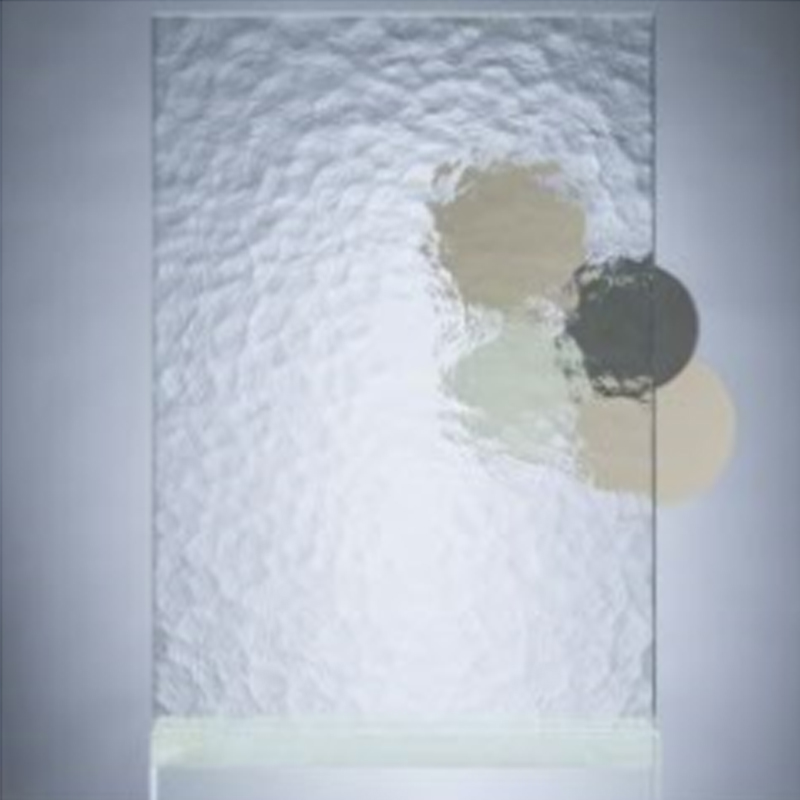
- Textured Glass: Featuring patterns like rain, fluted, or reed designs, this glass adds a decorative element while providing varying levels of opacity.
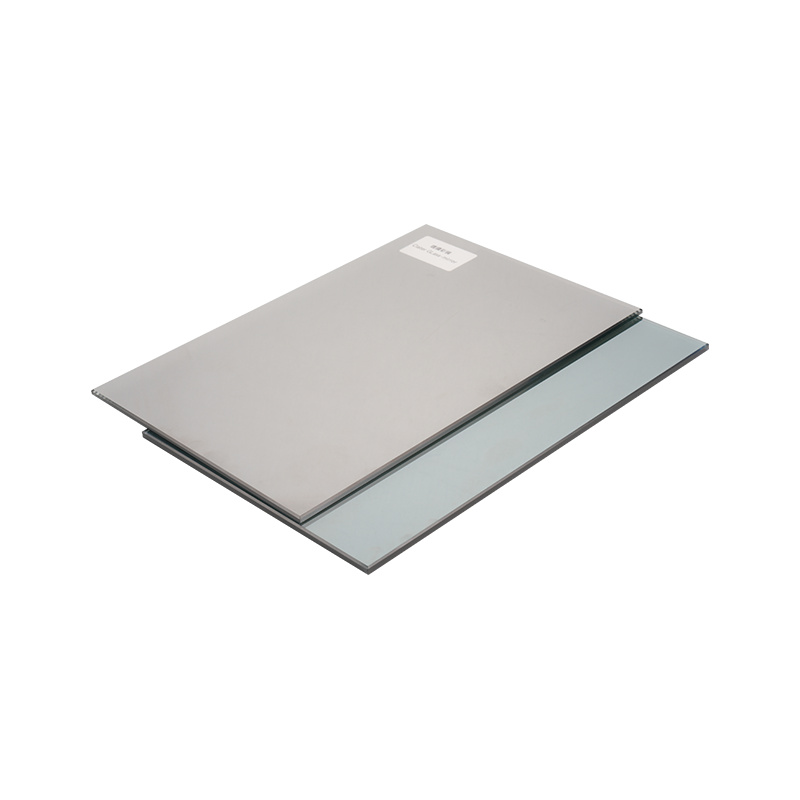
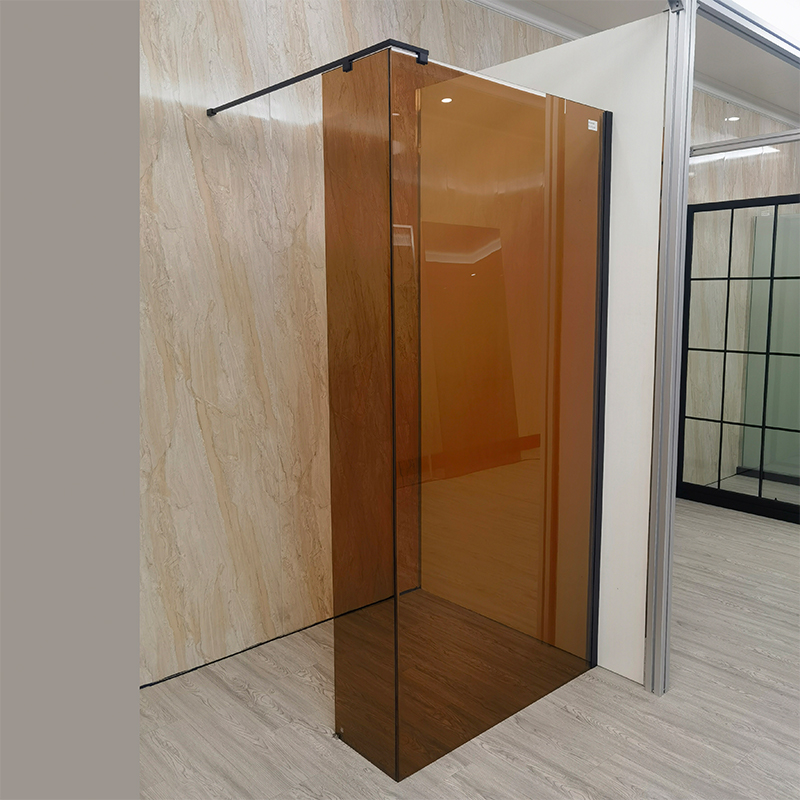
- Tinted Glass: Bronze or gray tints can reduce glare and add a modern, sleek aesthetic while offering moderate privacy.
Privacy Solutions for Glass Doors
While the benefits of glass are numerous, privacy remains a primary concern for homeowners. Fortunately, there are multiple ways to ensure a glass bathroom door offers complete seclusion without sacrificing the aesthetic benefits of natural light transmission.
Permanent Obscuring Methods
Frosted and textured glass provide a permanent solution to privacy concerns. These treatments ensure that the space remains bright, yet completely private. The level of opacity can be customized depending on the depth of the texture or the intensity of the acid etching.
Dynamic Privacy Options
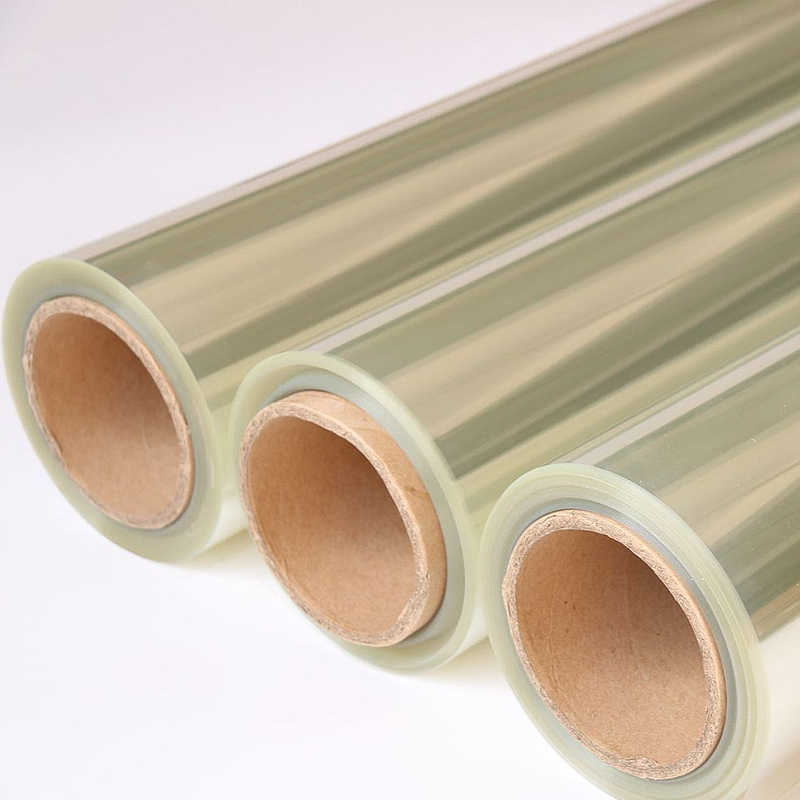
For those who want the option of a clear view when the bathroom is not in use, smart glass is an innovative alternative. Using a small electrical current, the glass can switch from transparent to opaque instantly. This technology offers the ultimate flexibility, though it comes at a higher investment. Alternatively, applying adhesive window films can mimic the frosted look at a fraction of the cost, though they may need replacement over time.
Alternative Door Materials for Bathrooms
While glass is exceptional, it is not the only viable material. Depending on the architectural style of the home and specific functional needs, other materials offer distinct advantages.
- Solid PVC: Highly resistant to moisture and extremely cost-effective. PVC doors do not warp and are easy to clean, making them a practical choice for utility bathrooms.
- Aluminum Frame Doors: Often paired with glass panels, aluminum offers a sleek, industrial look. The frames are typically treated to prevent oxidation and rust.
- Treated Wood: Solid wood provides unmatched warmth and luxury. However, it must be sealed with marine-grade varnish or high-quality enamel paint to prevent moisture penetration.
Maintenance and Care for Longevity
Regardless of the material chosen, proper maintenance will significantly extend the lifespan of a bathroom door. Glass doors require regular cleaning to prevent the buildup of hard water stains and soap scum. Using a squeegee after showers can reduce cleaning time dramatically. For metal hardware, applying a light lubricant to hinges annually will prevent squeaking and rust formation. Consistent upkeep prevents minor issues from becoming costly replacements.
For wood doors, it is crucial to inspect the seals and paint periodically. Any cracks in the finish should be touched up immediately to prevent moisture from reaching the wood fibers. Ensuring the bathroom is equipped with a properly sized exhaust fan will also reduce the ambient humidity, protecting all door materials over the long term.
Comparison of Common Bathroom Door Materials
To assist in the decision-making process, the table below outlines the key characteristics of the most popular bathroom door materials, highlighting their strengths and ideal use cases.
| Material | Water Resistance | Privacy Level | Aesthetic Appeal | Maintenance |
|---|---|---|---|---|
| Tempered Glass | Excellent | High (when frosted) | Modern, Spacious | Low |
| Solid PVC | Excellent | Complete | Basic, Functional | Very Low |
| Treated Wood | Moderate (requires sealing) | Complete | Warm, Classic | High |