

 中文简体
中文简体Choosing the right shower screen is not just about visual appeal; it is the most critical decision for ensuring bathroom safety, maintaining spatial hygiene, and improving daily comfort. A well-chosen shower screen effectively isolates water, prevents slippery hazards, and fundamentally transforms the bathing experience. Instead of relying on vague aesthetic preferences, homeowners must prioritize functional compatibility, spatial constraints, and material durability when making a selection. By understanding the specific advantages and limitations of different structural types and glass materials, you can make a decisive, informed choice that eliminates future maintenance headaches and maximizes the utility of your bathroom space.
Understanding the Core Functions of a Shower Screen
Before diving into specific styles and materials, it is essential to recognize why a shower screen is indispensable in modern bathroom design. Its primary role extends far beyond merely acting as a physical barrier.
Water Containment and Structural Protection
The most immediate function of a shower screen is to keep water exactly where it belongs. Without an effective barrier, shower water spreads across the bathroom floor, leading to constantly damp environments. This persistent moisture does not just create an immediate slipping hazard; it silently degrades the structural integrity of the room. Over time, uncontained water can seep into floor joints, causing wood rot, ruining adjacent drywall, and creating the perfect breeding ground for harmful mold. Effective water containment preserves the structural longevity of the entire bathroom, preventing costly renovations down the line.
Thermal Insulation and Comfort Enhancement
Bathing comfort is drastically reduced in a drafty, open-plan bathroom. When warm water hits the air in an unenclosed space, the steam quickly dissipates, pulling heat away from the body and leaving the bather feeling chilled. A properly installed shower screen traps steam and warmth within the showering zone, creating a cozy, sauna-like microclimate. This thermal retention is particularly beneficial during colder months, ensuring that the physical relaxation of a hot shower is not interrupted by cold air drafts circulating throughout the larger room.
Visual Zoning and Spatial Perception
Modern bathrooms often serve as personal retreats, and spatial organization plays a massive role in how the room feels. A shower screen visually separates the wet zone from the dry zone, establishing a sense of order and intentionality. Furthermore, the choice of screen material directly impacts the perceived size of the bathroom. Frameless, clear glass screens allow the eye to travel continuously to the walls, making a compact bathroom feel significantly more expansive than it actually is, while frosted options provide a necessary visual retreat for shared family spaces.
Major Types of Shower Screens and Their Applications
Selecting the correct operational mechanism for your shower screen is crucial, as it dictates how you interact with the space on a daily basis. Each type offers distinct mechanical advantages suited to different bathroom layouts.
Sliding Shower Screens
Sliding screens operate on a track system, allowing one panel to glide effortlessly behind another. This design is the ultimate space-saver, making it the standard choice for narrow bathrooms, ensuites, or layouts where the vanity or toilet is positioned immediately adjacent to the shower. Because the panels do not swing outward, they do not intrude into the external floor space. However, the bottom track requires consistent cleaning to prevent the accumulation of soap scum and hard water deposits, which could otherwise impede the smooth rolling motion of the rollers.
Pivot and Hinged Shower Screens
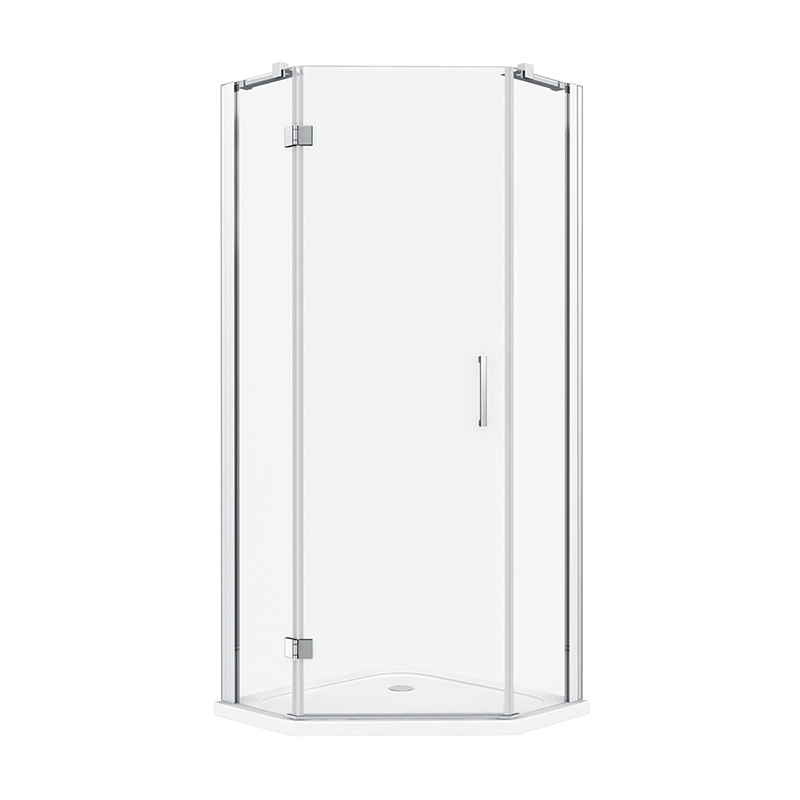
Pivot and hinged screens are attached to the wall or a fixed panel via hinges, opening outward in a sweeping motion. This design provides the widest possible entry point, making the shower feel highly accessible and spacious. It is ideal for larger bathrooms where the swing radius does not conflict with other fixtures. The wide opening also simplifies the process of cleaning the interior surfaces and allows for easier access for individuals with limited mobility. The main consideration is that you must account for the clearance space required for the door to open fully without obstruction.
Bi-Fold Shower Screens
Bi-fold screens consist of two or more panels connected by hinges that fold in on themselves as they open. They combine the spatial efficiency of a sliding screen with the wide entryway of a pivot door. Because they fold inward and do not require an external swing radius, they are an excellent compromise for mid-sized bathrooms. The internal folding mechanism means that any water droplets remaining on the panels naturally drip back into the shower tray rather than onto the dry bathroom floor.
Fixed Panel Shower Screens
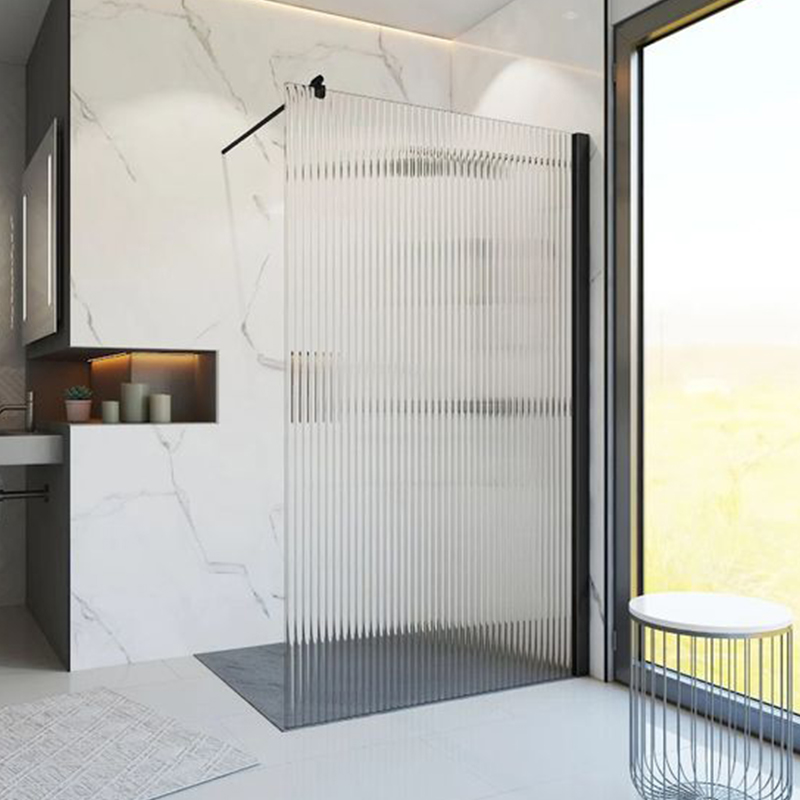
Fixed panel screens represent the pinnacle of minimalist bathroom design. Comprising a single, stationary pane of heavy glass, they typically shield only the primary splash zone while leaving one side entirely open. Without any hinges, handles, or tracks, they offer an ultra-clean aesthetic and are virtually maintenance-free. This style works exceptionally well in wet rooms or large, luxurious bathrooms where the shower head is angled precisely away from the open side. Fixed panels eliminate the hardware clutter, resulting in a seamless, barrier-free visual transition between the shower and the rest of the room.
Glass Material Variations and Safety Standards
The glass used in a shower screen is its most critical component. Understanding the mandatory safety standards and the available stylistic treatments is vital for making a secure and long-lasting choice.
Mandatory Use of Tempered Safety Glass
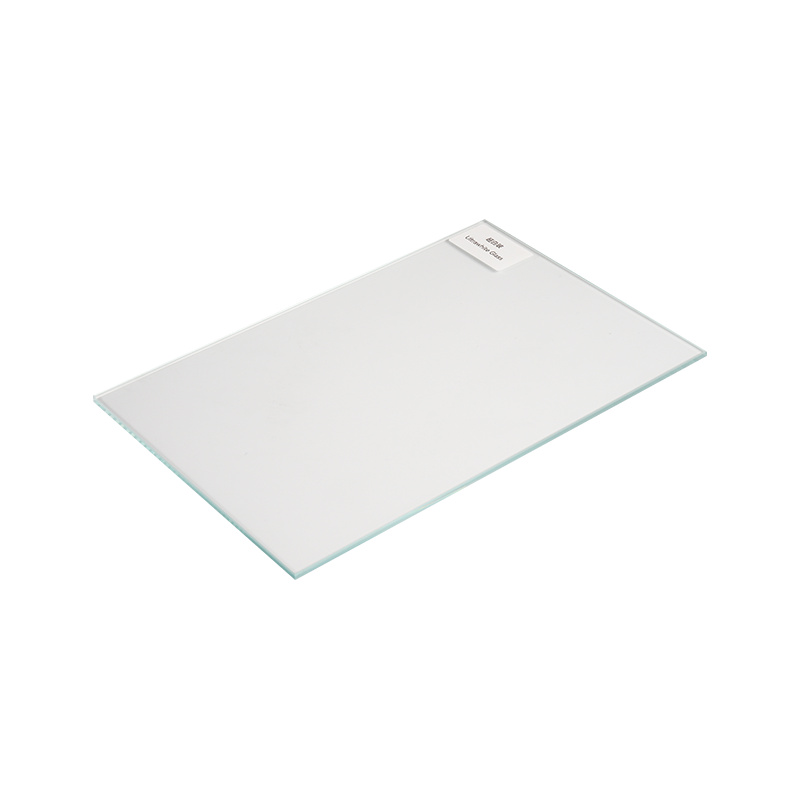
Standard annealed glass is entirely unsuitable for shower environments due to its brittle nature. If broken, it shatters into large, jagged shards that pose a severe laceration risk. For this reason, building codes universally mandate the use of tempered glass for shower screens. Tempered glass is thermally treated to increase its strength significantly. More importantly, when tempered glass breaks, it shatters into small, blunt, pebble-like fragments that drastically reduce the risk of severe injury. Always verify that any screen you consider meets rigorous international safety certifications for tempered glass.
Surface Treatments and Privacy Levels
Clear glass is the default choice for maximizing light and space, but it offers no privacy. If the bathroom is shared, patterned or obscured glass becomes necessary. The options vary widely in their level of visual obstruction.
| Glass Type | Privacy Level | Light Transmission | Maintenance Difficulty |
|---|---|---|---|
| Clear Glass | None | Maximum | Low (streaks visible) |
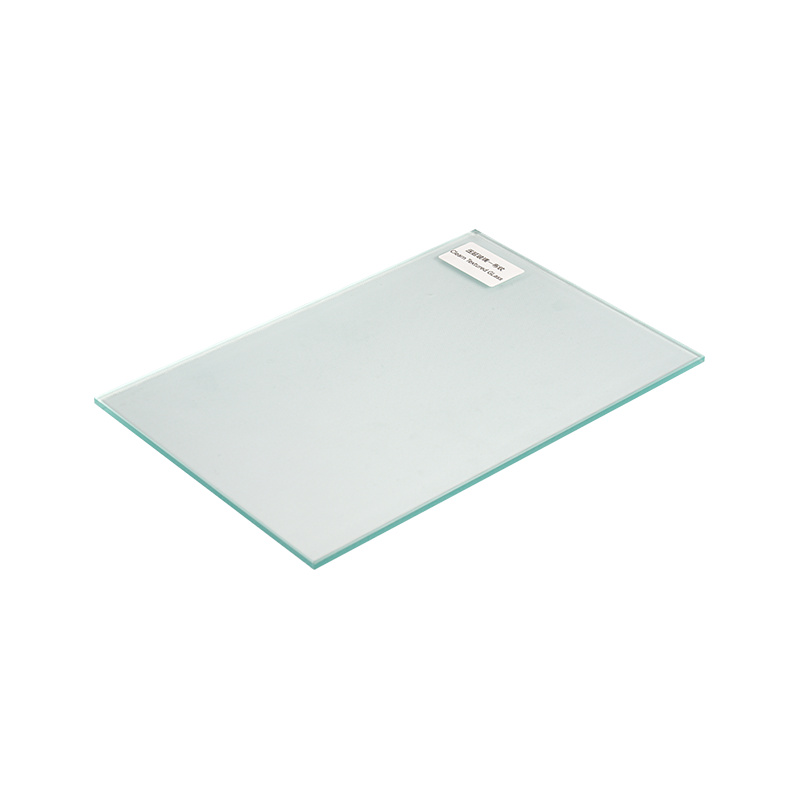
| Frosted Glass | High | Diffused | Medium |
| Rain Glass | Medium | Moderate | High (texture traps scum) |
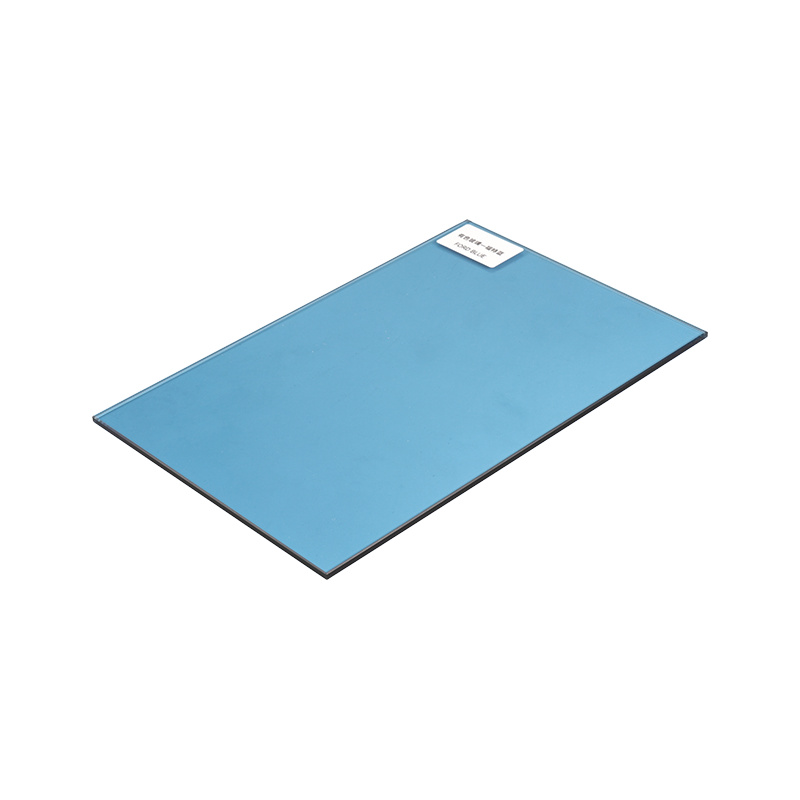
| Tinted Glass | Low to Medium | Reduced | Low |
Protective Coatings and Surface Finishes
Hard water and soap scum are the natural enemies of glass, leading to stubborn, cloudy mineral deposits over time. Modern shower screens often feature factory-applied protective coatings. These transparent layers bond with the glass surface, creating an ultra-smooth, hydrophobic barrier. Because water cannot easily adhere to the coated surface, it rapidly beads and rolls down the drain, taking mineral residues with it. Investing in a screen with a high-quality protective coating significantly reduces scrubbing time and prevents permanent etching caused by lime scale buildup.
Structural Hardware and Framing Options
The way the glass is held in place determines not only the visual weight of the screen but also its structural stability and the amount of routine upkeep required.
Frameless Designs
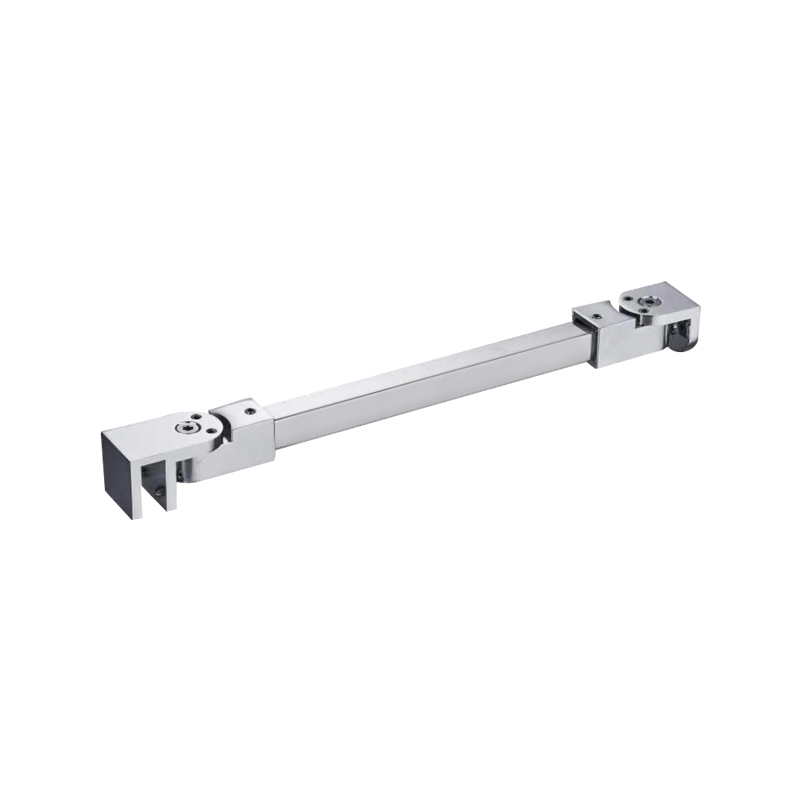
Frameless shower screens rely on minimal, heavy-duty hardware—typically solid brass or stainless steel brackets, clamps, and hinges—to secure the heavy tempered glass directly to the wall and floor. Without metal framing around the perimeter, the visual presence of the screen is minimized, allowing tilework and fixtures to take center stage. The lack of tracks or frames also means there are virtually no crevices where mold or grime can accumulate, making cleaning remarkably simple. However, because the glass must support its own weight and resist the leverage of a swinging door, frameless installations require thicker glass and robust wall anchoring.
Semi-Frameless Designs
Semi-frameless screens strike a balance between structural reinforcement and visual openness. They typically feature a metal frame around the outer perimeter or along the structural wall jamb, but the leading edge of the door and the meeting points between panels are left unframed. This hybrid approach provides the rigidity and cost-effectiveness of a framed structure while opening up the entryway and reducing the amount of visible metal hardware. It is an excellent, budget-conscious compromise for those who want a lighter aesthetic without the premium cost of a fully frameless system.
Fully Framed Designs
Fully framed screens encase the entire perimeter of the glass panels in thin metal channels. This framing provides maximum structural stability, allowing for the use of thinner, more economical glass. The frames also create an exceptionally tight seal against water leaks. While they are the most affordable and structurally robust option, the extensive metalwork can make a small bathroom feel visually confined. Furthermore, the interior channels of the frame are highly susceptible to trapping moisture, soap, and mildew, demanding consistent and meticulous cleaning to maintain hygiene.
Crucial Measurements and Installation Accuracy
Even the highest-quality shower screen will fail if the measurements and installation are not executed with absolute precision. Careful preparation is the foundation of a watertight enclosure.
Precision Measuring Techniques
Bathroom walls and floors are rarely perfectly plumb or level. Relying on a single measurement across the top of the opening is a common and costly mistake. To ensure accuracy, measurements must be taken at multiple points.
- Measure the width at the top, middle, and bottom of the opening.
- Measure the height on both the left and right sides.
- Always use the smallest measurement to determine the maximum glass size, allowing for necessary hardware clearances.
Recording these multiple data points ensures that the screen will fit the narrowest or shortest part of the opening, preventing gaps where water can escape. Precise measurement is the most critical step in preventing installation gaps and structural stress on the glass.
Wall and Floor Preparation
The structural integrity of the shower screen depends entirely on what lies beneath the surface tiles. The mounting points must be anchored into solid wood blocking that has been integrated into the wall framing during construction. If blocking is absent, the hinges will eventually pull out under the weight of the glass, even if heavy-duty anchors are used. Similarly, the shower floor must be adequately sloped toward the drain and away from the screen's base. A flat or improperly sloped floor will cause water to pool against the bottom seal, eventually overwhelming it and causing leaks into the dry bathroom area.
Professional Installation vs. DIY
While minor home improvements are suitable for amateur efforts, installing a shower screen—particularly a heavy frameless model—is a task best left to experienced professionals. The immense weight of tempered glass poses significant handling risks, and improperly aligned hinges will cause the glass to grind against the frame or pull away from the wall. A professional installer guarantees watertight seals, properly aligned hardware, and adherence to safety standards, providing essential peace of mind that the enclosure will function flawlessly for years.
Long-Term Maintenance and Upkeep
To preserve the transparency, structural integrity, and hygiene of your shower screen, a consistent maintenance routine is non-negotiable.
Daily Preventative Care
The single most effective method for maintaining a pristine shower screen requires no harsh chemicals. After every use, simply use a squeegee to wipe down the interior glass surface. This daily habit removes residual water droplets before they have a chance to evaporate and leave behind mineral deposits. Taking a few seconds to squeegee the glass prevents the gradual buildup of lime scale and soap scum, eliminating the need for aggressive scrubbing that could damage protective coatings over time.
Deep Cleaning Best Practices
When deeper cleaning is necessary, avoid abrasive powders, steel wool, or harsh scouring pads, as these will permanently scratch the glass and strip away hydrophobic coatings. Instead, use a soft microfiber cloth paired with a mild, pH-neutral cleaning solution. For natural cleaning, a mixture of warm water and mild dish soap is highly effective at cutting through body oils and light soap residue. If heavy mineral deposits have formed, a specialized glass cleaner designed to dissolve calcium and lime should be applied carefully according to the manufacturer's instructions.
Hardware and Seal Maintenance
The glass is only one part of the system. The metal hardware and silicone seals require periodic attention to function correctly. Over time, the silicone sealant along the base and wall joints can discolor, peel, or shrink, creating pathways for water. Inspect these seals annually, and re-caulk any compromised areas to maintain a watertight barrier. Additionally, the mechanical hinges and rollers should be checked periodically. If they begin to squeak or feel stiff, applying a small amount of silicone-based lubricant will keep the moving parts operating smoothly and prevent premature wear.
Accessibility and Safety Enhancements
A well-designed shower screen must accommodate the physical needs of all potential users, prioritizing ease of access and accident prevention.
Barrier-Free Entry Design
Traditional shower trays feature a raised lip that bather must step over, which can be a significant tripping hazard for the elderly or those with mobility challenges. Modern wet-room style designs utilize a flush, barrier-free entry where the shower floor is perfectly level with the adjacent bathroom floor. When paired with a fixed panel screen, this design creates a seamless transition that completely eliminates the trip hazard. The slight slope in the shower floor ensures water flows directly into the linear drain while the screen contains the splash zone.
Ergonomic Door Mechanisms
The physical effort required to open and close a shower door should not be underestimated. Pivot doors with extended, ergonomic handles provide a comfortable grip and require minimal force to operate. Sliding doors should feature high-quality, precision-engineered rollers that glide effortlessly along their tracks without sticking or jerking. Selecting hardware with smooth, easy-action mechanisms reduces physical strain and increases the independence of users with limited hand dexterity or arthritis.
Shatter-Resistant Safety Films
While tempered glass is designed to break into small, relatively harmless pieces, the sudden collapse of a shattered glass panel can still cause panic and minor cuts from falling fragments. For maximum safety, particularly in households with children or vulnerable adults, an invisible shatter-resistant film can be applied to the glass surface. This micro-layer holds the shattered fragments securely in place within the frame if the glass breaks, preventing a dangerous cascade of glass shards onto the shower floor and ensuring the situation remains safe until the panel can be professionally replaced.