

 中文简体
中文简体Tinted tempered glass combines the structural safety properties of thermally toughened glass with a body tint that reduces solar heat gain, controls visible light transmission, and introduces a deliberate color tone to the glass surface. It is one of the most widely specified glass types in commercial architecture, residential facades, curtain walls, shopfronts, partitions, and door and window systems where solar control, privacy, or aesthetic differentiation from standard clear glass is required.
For architects, glazing contractors, construction developers, and procurement teams selecting glass for a building or interior project, understanding how tinted glass is produced, what the different color options mean in terms of solar and optical performance, and how to match a tint to the functional and aesthetic requirements of the project is the foundation of a sound glass specification. This guide covers all of these dimensions.
How Is Tinted Tempered Glass Produced?
Tinted glass begins as tinted float glass — standard float glass manufactured with metal oxide colorants added to the glass melt during production. The colorants are uniformly dissolved throughout the glass body during the float process, so the tint is integral to the glass rather than applied as a surface coating. The specific metal oxides used vary by target color: iron oxide produces green and blue-green tints; cobalt oxide contributes to blue and blue-grey; nickel oxide adds grey and bronze tones; selenium and iron combinations create bronze and amber tints.
After the tinted float glass is produced in the float line, it is cut to the required dimensions and then subjected to the same thermal tempering process as standard clear glass: the glass is heated in a tempering furnace to approximately 620–650°C and then rapidly quenched with high-pressure cold air. This rapid cooling creates a surface compression layer and a central tension zone within the glass that gives tempered glass its characteristic strength — approximately four to five times the tensile strength of untempered annealed glass of the same thickness — and its safe breakage pattern (small, rounded granules rather than sharp shards on impact failure).
The important practical implication: because the tint is inherent to the glass composition and is processed through the same tempering cycle as clear glass, tinted tempered glass has the same safety certification properties as clear tempered glass. EN 12150 (Europe), AS/NZS 2208 (Australia/New Zealand), ANSI Z97.1 (USA), and GB 15763.2 (China) all apply equally to tinted and clear tempered glass, and a properly certified tinted tempered glass carries the same safety glazing mark and compliance as its clear equivalent.
The Main Tinted Glass Color Options and Their Properties
Grey Tinted Glass
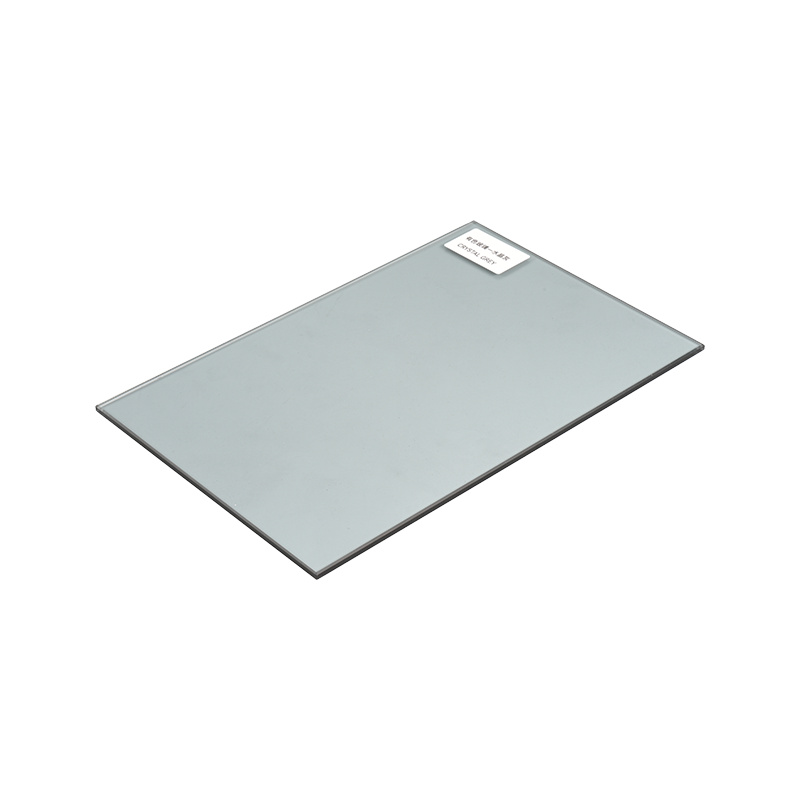
Grey-tinted glass is the most widely used tinted glass in commercial architecture worldwide. Its neutral grey tone does not shift the apparent color of the interior space when viewed from outside, giving a sophisticated, understated appearance to buildings and facades. Grey tint reduces both visible light transmission and solar heat gain proportionally — it attenuates the full spectrum of solar radiation roughly evenly, which is why it produces minimal color distortion of natural light entering the building.
Grey glass is appropriate for: commercial office facades and curtain walls where a professional, monolithic appearance is desired; shopfront glazing where natural color rendering of displayed merchandise is important; residential windows where glare reduction without strong color tone is the priority; and partitions and balustrade applications where tonal reduction of the clear glass is needed without introducing color. It pairs well with grey, black, silver, and natural metal-finish framing systems.
Typical performance at 6mm thickness: visible light transmission 40–50%; solar energy transmittance 50–60%; shading coefficient 0.60–0.70 (compared to 0.87 for 6mm clear glass). These values reduce proportionally with increasing glass thickness as more metal oxide absorbs more radiation over a longer optical path.
Bronze / Amber Tinted Glass
Bronze-tinted glass (sometimes described as amber or warm-tinted glass) introduces a warm, brown-amber tone that gives buildings and interiors a warmer color character than grey or blue tints. In commercial architecture, bronze glass was particularly dominant in the 1970s and 1980s and remains widely used in projects where warm material tones — natural stone, timber, earth-colored cladding — are part of the design language.
Bronze glass has good solar control properties similar to grey glass, with the additional visual characteristic that it enriches warm tones in the interior space and makes the building's appearance warmer and more approachable than neutral grey glass. It is appropriate for: residential facades in brick, stone, or timber contexts; commercial buildings where a warm aesthetic is part of the brand identity; hospitality and retail environments where a welcoming ambiance is part of the brief; and door glass and sidelights in residential applications where a traditional aesthetic is desired.
Typical performance at 6mm: visible light transmission 50–60%; solar energy transmittance 55–65%; shading coefficient 0.63–0.72.
Blue / Blue-Green Tinted Glass
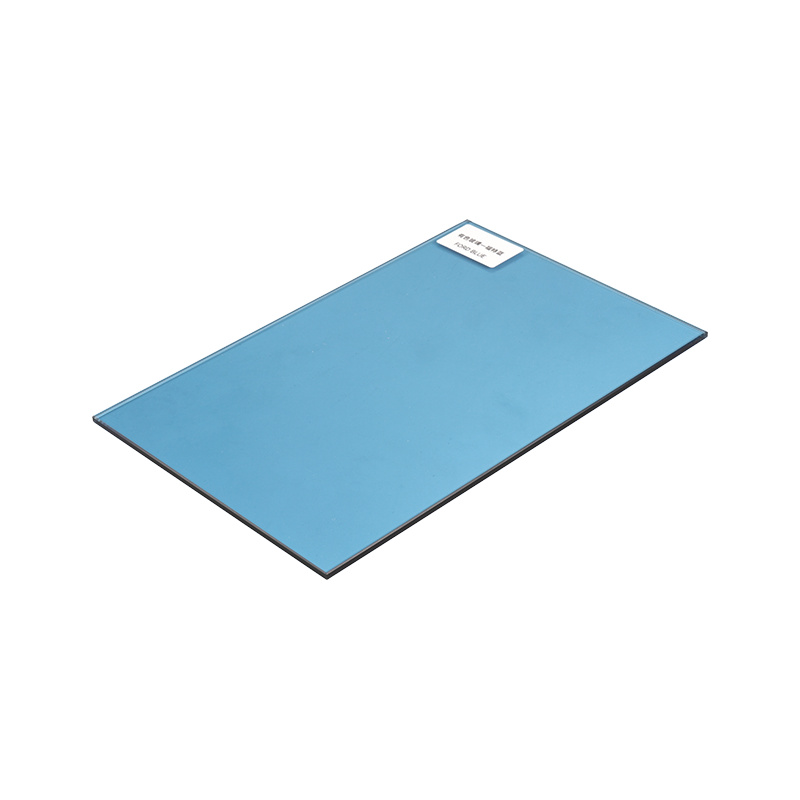
Blue and blue-green tinted glass produces the cool, contemporary appearance that has defined much commercial architecture from the 1990s onward. True blue tints (achieved with cobalt oxide) give a distinct blue appearance; blue-green variants (achieved with iron and other oxides) give a softer, more natural appearance that many architects associate with water and sky references. Blue-green glass — sometimes described as "ocean" or "aqua" — is particularly popular in residential and coastal architectural applications.
Blue-tinted glass can have somewhat different solar performance from grey, because it absorbs selectively in the red/infrared portion of the spectrum while transmitting more in the blue/green portion — meaning it has a cooler color balance for light entering the space. For projects in hot climates where solar heat gain control is critical, a low-emissivity (Low-E) coating applied to blue-tinted glass provides significantly better thermal performance than tint alone.
Typical performance at 6mm: visible light transmission 55–65% (blue-green); solar energy transmittance 55–70%; shading coefficient 0.65–0.80.
Green Tinted Glass
Green-tinted glass — produced primarily with iron oxide — has the useful characteristic that it provides good solar heat gain reduction while maintaining relatively high visible light transmission compared to other tints of equivalent thickness. This makes it attractive for applications where natural daylight levels inside are important, but some solar control is still required. Green glass introduces a cool, natural-environment aesthetic that works well in residential, hospitality, and commercial settings with landscape and vegetation contexts.
Typical performance at 6mm: visible light transmission 70–75% (higher than grey or bronze of equivalent thickness); solar energy transmittance 55–65%; shading coefficient 0.65–0.75. The relatively high daylight transmission of green glass means it provides solar control primarily through infrared absorption rather than across the full spectrum, which is beneficial for maintaining daylit interior environments while reducing heat gain.
Tinted Glass Thickness and Its Effect on Color Intensity
Because the tint in float glass is distributed uniformly through the glass body, the apparent depth and intensity of the color increase with glass thickness — more glass means more metal oxide in the optical path. This has a practical specification implication: the color appearance of a tinted glass specified at 6mm will be noticeably lighter and less intense than the same tint at 10mm or 12mm. When reviewing tinted glass samples and color cards from a supplier, always confirm that the thickness of the sample matches the thickness you intend to use in the project. A 5mm sample of bronze glass will look significantly lighter than a 10mm sample of bronze glass from the same production batch.
| Glass Thickness | Typical VLT (Grey) | Typical VLT (Bronze) | Typical VLT (Blue-Green) | Common Applications |
|---|---|---|---|---|
| 4mm | 55–65% | 60–70% | 70–78% | Interior partitions, display cases, light-duty windows |
| 5mm | 50–60% | 55–65% | 68–75% | Residential windows, light commercial windows |
| 6mm | 40–50% | 50–60% | 60–70% | Standard commercial glazing is the most common commercial specification |
| 8mm | 35–45% | 45–55% | 55–65% | Structural glazing, large commercial panels, and facades |
| 10mm | 28–38% | 38–48% | 48–58% | Heavy commercial glazing, frameless systems, high-rise facades |
| 12mm | 22–32% | 30–40% | 40–50% | Structural glass walls, balustrades, and large-span commercial glazing |
VLT = Visible Light Transmission. Values are indicative ranges; actual values depend on specific glass composition and production batch. Request datasheets with measured values from your glass supplier for the final specification.
Tinted Glass vs Clear Glass: Key Differences for Project Specification
The decision between tinted and clear tempered glass for a project application involves trading off solar control and privacy against light transmission and view clarity:
Solar heat gain control: Tinted glass absorbs a portion of solar radiation before it enters the building, reducing the cooling load compared to clear glass. In warm and sunny climates, specifying tinted glass in facades and windows reduces energy consumption for air conditioning. However, tint alone provides limited solar control — for high-performance solar control, tinted glass is typically combined with a Low-E coating, which adds a reflective or selective coating that further reduces solar transmittance beyond what tint alone achieves.
Glare reduction: Lower visible light transmission in tinted glass reduces glare from direct sunlight in building interiors — beneficial in office environments where screen glare is a productivity and comfort concern, and in residential applications where south or west-facing windows receive intense afternoon sun.
Privacy: A darker tint makes the glass appear more reflective from the outside (particularly in daylight when the exterior is brighter than the interior), providing a degree of visual privacy from outside without requiring additional privacy film or frosted treatment. This is particularly relevant for ground-floor commercial glazing, residential glazing near streets or neighboring properties, and bathroom and changing room applications where a tinted glass maintains natural light while reducing external visibility.
Color appearance of interior space: All tinted glass imparts some color cast to daylight entering the space. Grey is the most neutral; bronze adds warmth; blue cools the light color temperature; green shifts toward natural daylight. For applications where accurate color rendering is important — retail displaying merchandise, art galleries, medical facilities — the color rendering implications of the chosen tint should be considered, and grey or low-iron (extra-clear) glass may be preferred.
Frequently Asked Questions
Can tinted tempered glass be cut or drilled after tempering?
No — like all tempered glass, tinted tempered glass cannot be cut, drilled, notched, or otherwise mechanically processed after the tempering process. Any cutting, drilling, edge working, or hole-making must be completed on the annealed (untempered) tinted glass before it enters the tempering furnace. This means that the final dimensions, edge profile, holes, and cutouts must be specified and processed before tempering. Ordering tinted tempered glass requires the complete fabrication specification — size, thickness, edge work, hole positions — to be defined upfront. If post-fabrication modification is needed, a new panel must be ordered.
Does tinted tempered glass provide privacy?
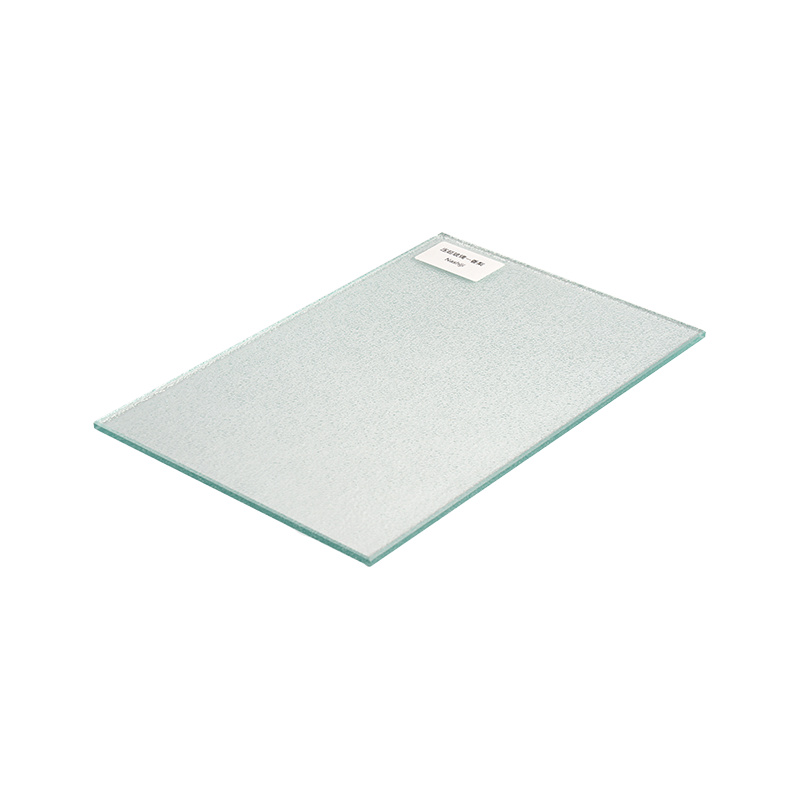
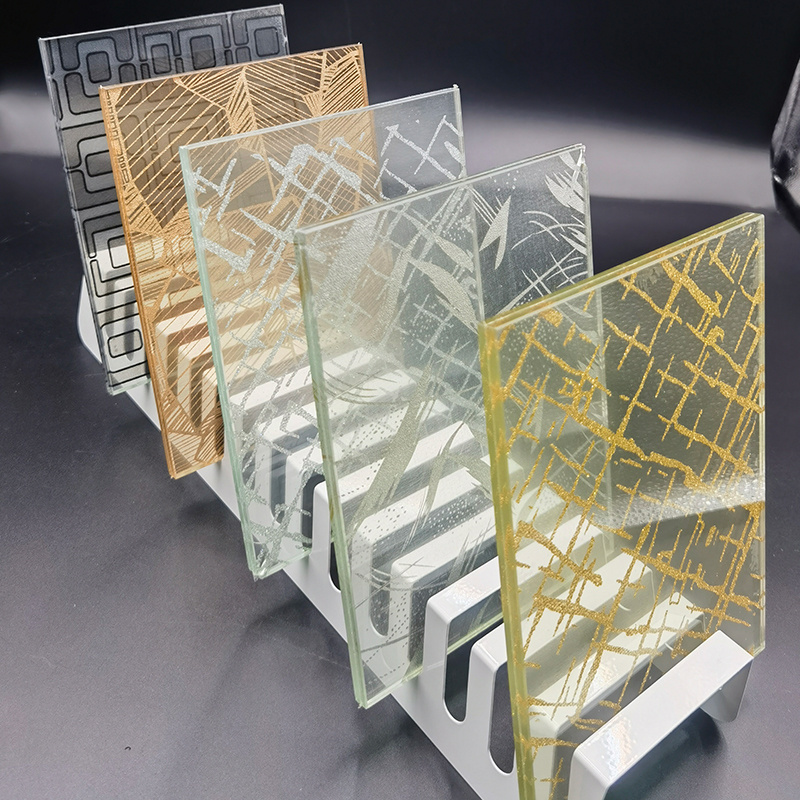
Tinted glass provides daylight privacy — during daytime when the exterior light level is higher than the interior, the glass appears relatively reflective from outside, making it difficult to see through from the exterior while remaining transparent from the interior. This effect reverses at night when interior lights are on, and the exterior is dark — the glass becomes transparent from outside in night conditions. For full privacy at all times of day, frosted or patterned glass (which provides diffusion rather than transparency) or an opaque glass treatment is required. Tinted glass provides varying degrees of privacy depending on the tint darkness and the light level differential between inside and outside, not complete visual obstruction.
What is the difference between tinted glass and reflective glass?
Tinted glass achieves solar control through absorption — metal oxides in the glass body absorb solar energy and convert it to heat within the glass, which then dissipates to both interior and exterior. Reflective glass achieves solar control through a metallic coating on the glass surface that reflects a portion of solar radiation back to the exterior before it enters the glass. Reflective glass typically provides stronger solar control (lower shading coefficients) than tint alone, and has a stronger mirror-like appearance from outside. Tinted glass with a reflective coating combines both mechanisms and is commonly used for high-performance commercial facades. For most standard applications, tinted glass without a reflective coating provides adequate solar control with less of the strong mirrored appearance that some applications or local building codes restrict.
Tinted Tempered Glass from Zhejiang MingDing Glass Technology
ZheJiang MingDing Glass Technology Co., Ltd., Shangyu, Zhejiang, manufactures tinted tempered glass in grey, bronze, blue, blue-green, and green tints across thickness ranges from 4mm to 19mm, in flat and curved tempered formats. Available sizes up to custom large-format panels. All tinted tempered glass is manufactured to ISO 9001 quality standards. Products are widely used in architectural facade glazing, commercial windows and shopfronts, interior partitions, furniture, and shower applications. Custom dimensions, edge work, drilling, and silk-screen printing are available on tinted tempered glass panels. Export to global markets with CE and other certifications available.
Contact us to request tinted glass specifications, color samples, and pricing for your project.
Related Products: Tinted Tempered Glass | Clear Tempered Glass | Patterned Glass | Wired Laminated Glass | Shower Enclosure