

 中文简体
中文简体When planning a bathroom renovation or new bathroom fitout, the choice between a shower screen and a shower enclosure is one of the most consequential decisions in the shower zone design. The two product categories look similar at first glance — both involve glass panels separating the shower area from the rest of the bathroom — but they differ fundamentally in their structure, the type of shower space they create, their installation requirements, their maintenance implications, and the bathroom layouts they are suited to. Choosing the wrong product type for the space and the user's needs produces a shower zone that is less functional, harder to clean, or simply does not fit the bathroom as intended.
This guide explains the structural difference between shower screens and shower enclosures, the specific situations in which each is the better choice, and the key specification parameters to consider when selecting either product.
What Is a Shower Screen?
A shower screen is a glass panel — or a configuration of panels — that provides a partial or full barrier on one or more open sides of a shower area, typically where the shower is recessed into a niche (alcove) or positioned in a corner with one or two sides formed by tiled walls. The defining characteristic of a shower screen is that the glass panels work in conjunction with the existing bathroom walls and floor structure: the walls themselves form the majority of the shower enclosure, and the screen provides the remaining glass barriers needed to contain water spray.
In its simplest form, a shower screen for an alcove shower is a single panel — or a hinged or folding panel arrangement — mounted at the open front of a shower niche between two tiled walls. In a corner shower position, an L-shaped or return panel configuration provides screens on two open sides while the two walls form the remaining enclosure. In either case, the glass screen is not a self-contained structure — it relies on the structural walls and the floor (which typically has a shower tray or wet floor area integrated into the bathroom floor) to complete the waterproof shower zone.
Types of Shower Screen
Fixed panel shower screens are single rigid glass panels, frameless or semi-frameless, mounted to the adjacent wall with a bracket or channel. They are the simplest and most space-efficient option for alcove showers where the shower entry is from the side of the screen or where the panel is used purely as a splash barrier in an open wet room design.
Walk-in shower screens are typically L-shaped configurations or single large panels used in wet room or walk-in shower designs where there is no door — the shower area is accessed through an open gap at one end of the screen arrangement. Walk-in designs are popular in contemporary bathrooms because they eliminate doors (and the maintenance, sealing, and cleaning that shower doors require) and create a clean, open, spa-like shower aesthetic. They require a large enough bathroom and shower floor area to contain water spray effectively without a door, and careful positioning of the showerhead to direct spray toward the tiled back wall rather than the open entry gap.
Hinged door shower screens combine a fixed panel with a hinged glass door — the fixed panel is mounted to the wall, and the door is hinged either to the fixed panel or to a wall profile. Standard for alcove showers where a door is required for water containment. The door swings either into or out of the shower area, depending on the available space. Inward-swinging doors are more space-efficient but require the shower occupant to step back to open the door; outward-swinging doors require clear floor space outside the shower zone for the door swing arc.
Bifold or folding shower screens fold flat against the wall when open, eliminating the door swing arc and making them practical for very compact bathroom spaces where a standard hinged door cannot swing freely. Slightly more complex in hardware than a simple hinge, but the space saving in tight bathrooms is significant.
What Is a Shower Enclosure?
A shower enclosure (also called a shower cabin or shower cubicle) is a fully self-contained glass structure that forms a complete shower zone without relying on the bathroom walls to provide containment. It consists of multiple glass panels — typically three or four sides — combined with a shower tray (base) and a door, all assembled into a unit that stands independently within the bathroom footprint. The enclosure creates a fully defined, water-tight shower compartment that can be positioned anywhere in the bathroom floor plan — in the middle of the room, in a corner, against a single wall — without requiring an existing shower niche or alcove.
Shower enclosures are the appropriate product when the bathroom does not have a dedicated shower niche formed by structural walls, when the shower needs to be positioned away from corners or walls, or when the complete shower zone — walls, base, and door — needs to be supplied as a coordinated unit with matching aesthetics and a single watertight system. They are also the standard choice for new-build bathrooms where the shower area is not pre-planned into the wet wall structure and retrofits where altering the wall tiling to create an alcove is not practical.
Types of Shower Enclosure
Quadrant shower enclosures are curved-front units that fit into a 90° corner, with the curved glass door sweeping open in front of the tray. The curved front maximizes the interior shower space within a corner footprint while keeping the external dimensions compact. Standard for corner installations in medium-sized bathrooms.
Rectangular corner shower enclosures use flat glass panels in a rectangular plan — two glass sides form the visible faces of the enclosure in a corner, with the tray completing the footprint. Provides a clean-lined, contemporary appearance compared to the curved quadrant format and is better suited to frameless glass designs.
Offset quadrants and pentagonal enclosures are variations on the corner enclosure format with non-square footprints — offset quadrants are rectangular rather than square, and pentagonal units cut across the corner at 45° to create a five-sided floor plan. These formats optimize the interior shower space in corner positions while maintaining a compact external footprint.
Walk-in shower enclosures are open-entry enclosures without a door — typically a U-shaped three-sided configuration that wraps around the shower area without enclosing the entry point. The open entry makes these units accessible and easy to maintain but requires a generous shower floor area and careful showerhead positioning to prevent excessive water escape.
Side-by-Side Comparison: Shower Screen vs Shower Enclosure
| Property | Shower Screen | Shower Enclosure |
|---|---|---|
| Structural dependency | Relies on existing bathroom walls for containment; glass panel supplements wall structure | Self-contained — does not require existing walls on any side; stands independently |
| Installation requirement | Requires suitable tiled or waterproofed walls on at least two sides; floor must have an integrated shower drain and waterproofing | Can be installed anywhere on the bathroom floor; tray and panels provide complete waterproofing |
| Shower tray | Separate component — shower screen does not include a tray; tray or wet floor must be installed independently | Typically supplied with a coordinated tray as part of the enclosure system; tray and panels match as a unit |
| Aesthetic result | Open, spacious, integrated with bathroom tile design; frameless screens blend with continuous tiled surfaces | More defined shower zone; visible as a separate unit within the bathroom; coordinated hardware and tray finish |
| Best for bathroom size | Large and medium bathrooms; open-plan wet rooms; any size with pre-formed shower alcove | Medium and small bathrooms; bathrooms without pre-formed alcoves; new builds where the shower zone is not pre-planned |
| Maintenance and cleaning | Fewer seals and joints (especially frameless screens) — easier cleaning; less silicone to maintain | More joints and seals between panels, tray, and walls — more maintenance points; regular seal inspection required |
| Customization | Highly customizable — glass size, profile, door configuration, frameless or semi-frameless; custom glass tints and treatments | Available in standard sizes and configurations; custom sizes possible, but less common than screen customization |
| Cost | Glass panel costs only (tray and wall waterproofing separate); frameless glass screens at a premium; overall project cost depends on wall work | Coordinated unit cost includes panels and tray; typically lower cost for a complete installation in a non-alcove position compared to building a tiled alcove |
Which Should You Choose? The Decision Framework
Choose a shower screen when:
- The shower area has an existing alcove or corner formed by tiled, waterproofed walls — the screen supplements the walls rather than replacing them, producing a more integrated, open appearance
- The bathroom design features continuous floor-to-ceiling tiling, and the goal is to make the shower zone as visually seamless as possible with the surrounding bathroom — frameless screens achieve this best
- A walk-in or wet room design is desired — open shower screens without doors create the spa-like, open shower aesthetic that is one of the most sought-after trends in contemporary bathroom design
- Maximum glass customization is needed — bespoke glass size, thickness, tint, or surface treatment is more readily achievable on individually specified screen panels than on standard enclosure units
- The bathroom floor is a wet-room format with a linear or central floor drain rather than a defined shower tray area
Choose a shower enclosure when:
- The bathroom has no existing shower alcove, and creating one by tiling would be impractical or prohibitively expensive — the enclosure provides its own structure without requiring wall modification
- A complete coordinated shower zone solution is needed — tray, panels, door, and hardware all matching in finish and system — without specifying and coordinating individual components separately
- The shower needs to be positioned away from the corner or in the middle of a larger bathroom floor plan, where screens relying on two adjacent walls cannot be used
- Budget and installation timeline favor a standard unit over a custom-specified screen — enclosures in standard sizes are typically faster to supply and install than fully custom-specified frameless screen systems
Glass Specification for Shower Screens and Enclosures
Both shower screens and enclosures must use safety glass — in most markets, this means tempered glass or laminated safety glass meeting the applicable standard for the market. For showers, 6mm and 8mm tempered glass are the most common thicknesses: 6mm is appropriate for standard residential shower screens and light-duty enclosures; 8mm is preferred for frameless and semi-frameless designs where the glass itself provides structural rigidity without a full frame, and for larger panels where the additional stiffness of 8mm glass reduces panel flex and improved perceived quality. 10mm glass is used in premium frameless systems and for large walk-in panels where maximum rigidity and a premium feel are specified.
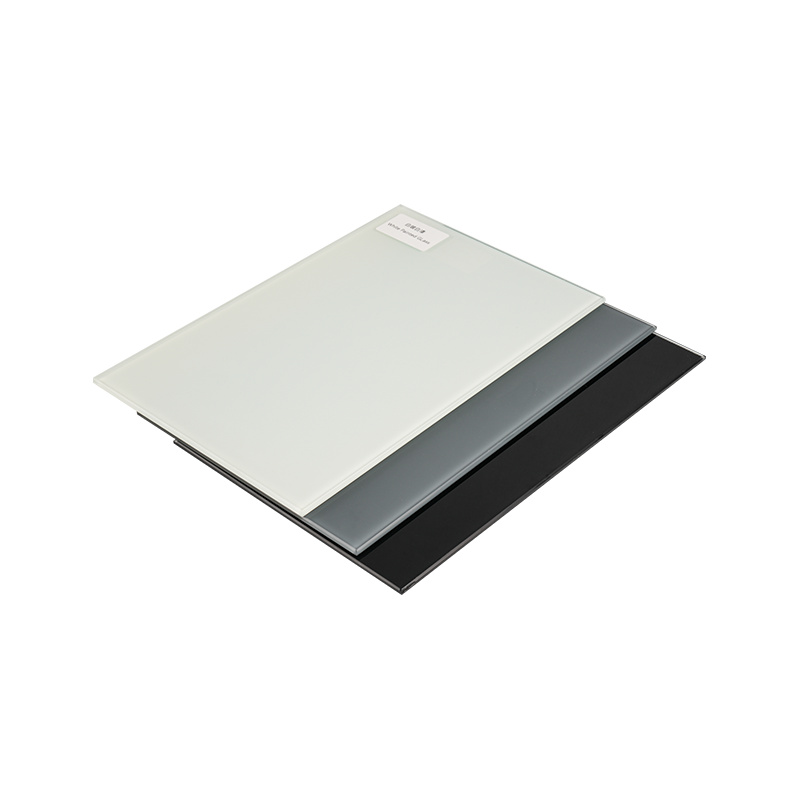
Clear glass is the standard for shower applications where maximum light transmission and visual openness are the priority. Frosted or acid-etched glass provides privacy for bathrooms where the shower faces directly onto the bathroom access or into adjacent spaces. Tinted glass — grey or bronze — can be specified for shower screens and enclosure panels in project bathrooms where the glass tone is coordinated with the overall bathroom material palette.
Frequently Asked Questions
Does a frameless shower screen require special installation compared to a framed one?
Yes — frameless shower screens use thicker glass (typically 8mm or 10mm) to provide the structural rigidity that a framed system achieves through its frame profile, and they rely on wall-mounted patch fittings, hinges, and standoff brackets fixed directly to the wall structure to support the glass. The wall fixings must be correctly anchored into studs, masonry, or a waterproofed solid substrate — not just tiling over a hollow cavity. Incorrect anchor placement or inadequate fixing substrate is the most common cause of frameless screen instability. A professional glazing installer familiar with frameless systems will assess the wall structure before installation and specify the correct fixing method for the substrate.
How do I prevent hard water stains on glass shower screens?
Hard water deposits (calcium and magnesium carbonate scale) accumulate on shower glass in areas with high water mineral content. The most effective preventive measures: wipe the glass dry with a squeegee after each shower use, which removes the water droplets before they can evaporate and leave mineral deposits; apply a hydrophobic glass treatment (nano-coating) to the glass surface, which causes water to bead and run off rather than sheet across the surface, significantly reducing deposit formation; use a weekly diluted white vinegar solution spray to dissolve early-stage mineral deposits before they build up to a thick, difficult-to-remove scale. For severe hard water areas, a shower glass with a factory-applied easy-clean hydrophobic coating — available as an option from glass manufacturers — provides long-term protection with less maintenance effort than uncoated glass.
What thickness of glass is required by safety standards for shower screens?
Most market safety standards for shower and bath enclosure glass specify a minimum of 4mm toughened glass for framed panels, 6mm for semi-frameless, and 8mm for frameless panels as industry practice (specific requirements vary by country and standard). In practice, specifying below 6mm for any shower screen application is uncommon because the additional panel flex of thinner glass reduces the perceived quality and can stress the fixings and seals over time. The relevant standard in your market — EN 14428 for shower enclosures in Europe, for example — should be confirmed, and your glass supplier should be asked to confirm compliance for the specific product configuration.
Shower Screens and Shower Enclosures from Zhejiang MingDing Glass Technology
ZheJiang MingDing Glass Technology Co., Ltd., Shangyu, Zhejiang, manufactures tempered safety glass shower screens and shower enclosures for residential and commercial bathroom applications. Shower screens are available in fixed panel, walk-in, hinged door, and bifold configurations in frameless and semi-frameless designs in 6mm, 8mm, and 10mm clear and tinted tempered glass. Shower enclosures are available in quadrant, rectangular corner, and offset quadrant formats with coordinated trays and hardware. Custom glass sizes, anti-limescale nano-coating, and hardware finish options are available. Products certified to applicable safety glass standards. Export worldwide.
Contact us with your bathroom dimensions and shower configuration to receive product recommendations and pricing.
Related Products: Shower Screen | Shower Enclosure | Shower Accessories | Clear Tempered Glass | Tinted Tempered Glass