

 中文简体
中文简体As people's demands for quality of life gradually increase, bathroom design is no longer just about meeting basic functional needs. More and more people are starting to focus on the comfort and aesthetics of their bathroom space. Shower enclosures, as an indispensable part of modern bathrooms, not only enhance the overall visual effect of the bathroom but also provide users with a more convenient and comfortable showering experience.
Basic Structure and Functions of Shower Enclosures
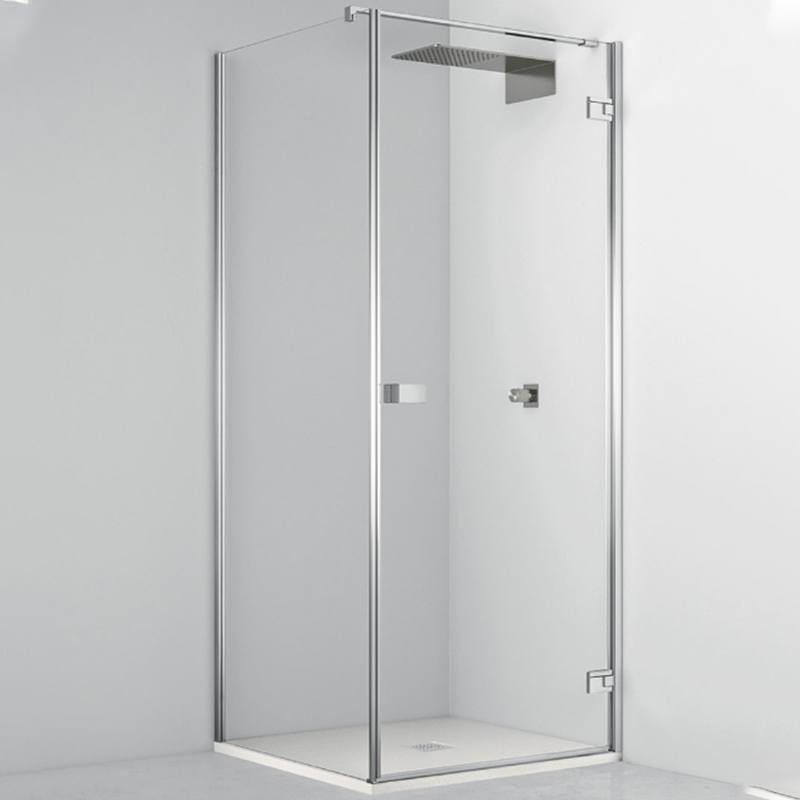
A shower enclosure typically consists of several parts, including glass partitions, door frames, drains, and showerheads. These components not only form the framework of the shower enclosure but also affect the user experience. The most important function of a shower enclosure is to effectively isolate water vapor, preventing water droplets from splashing onto other parts of the bathroom, keeping the bathroom floor dry, and reducing the impact of moisture on the indoor environment. Its design flexibility and diversity allow for personalized customization based on different bathroom spaces and needs, meeting the needs of different families.
Glass Partitions: A Double Consideration of Safety and Aesthetics
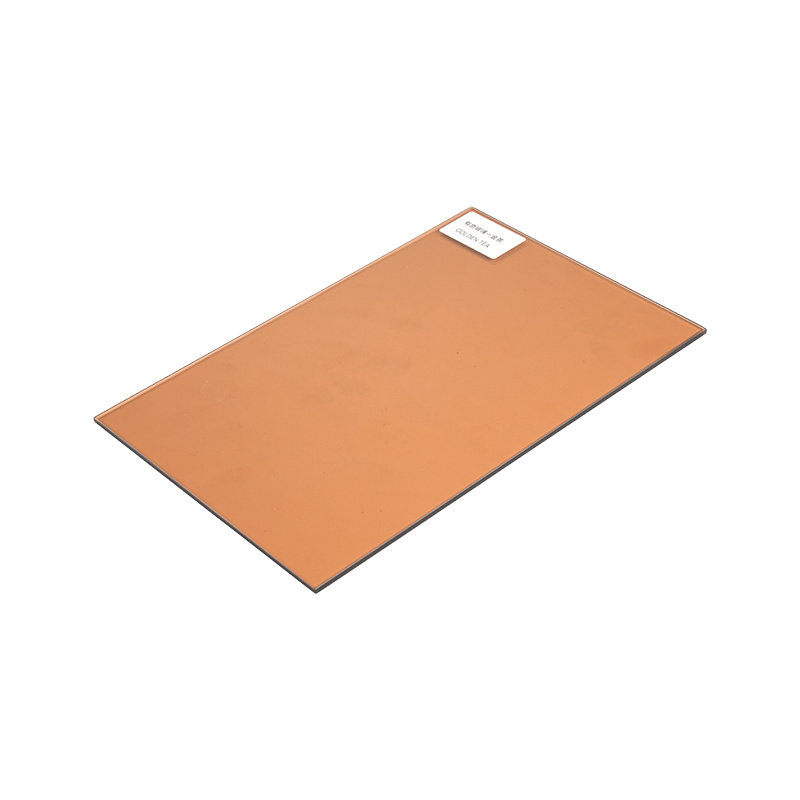
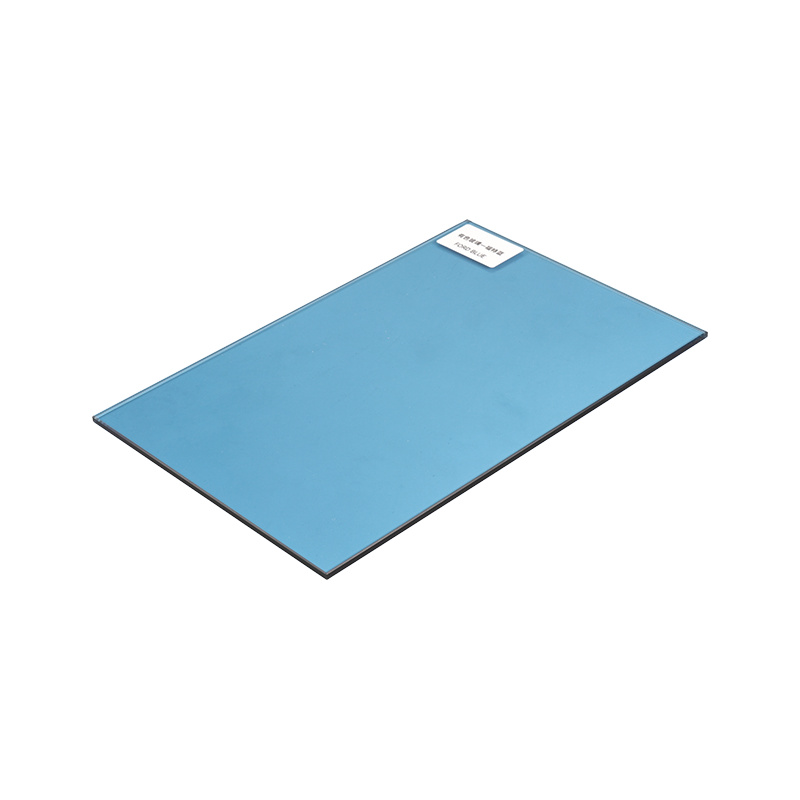
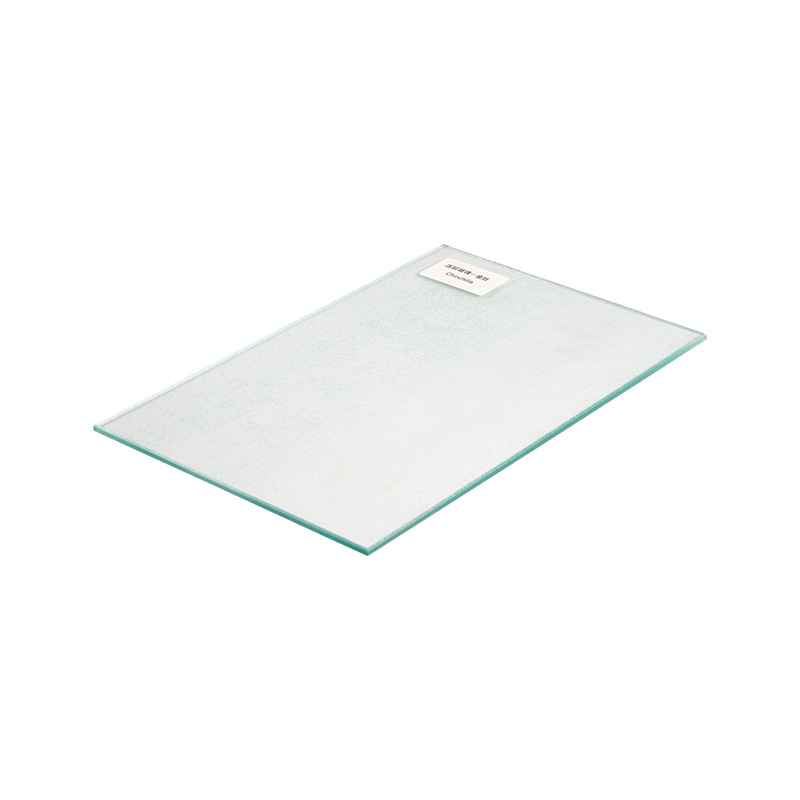
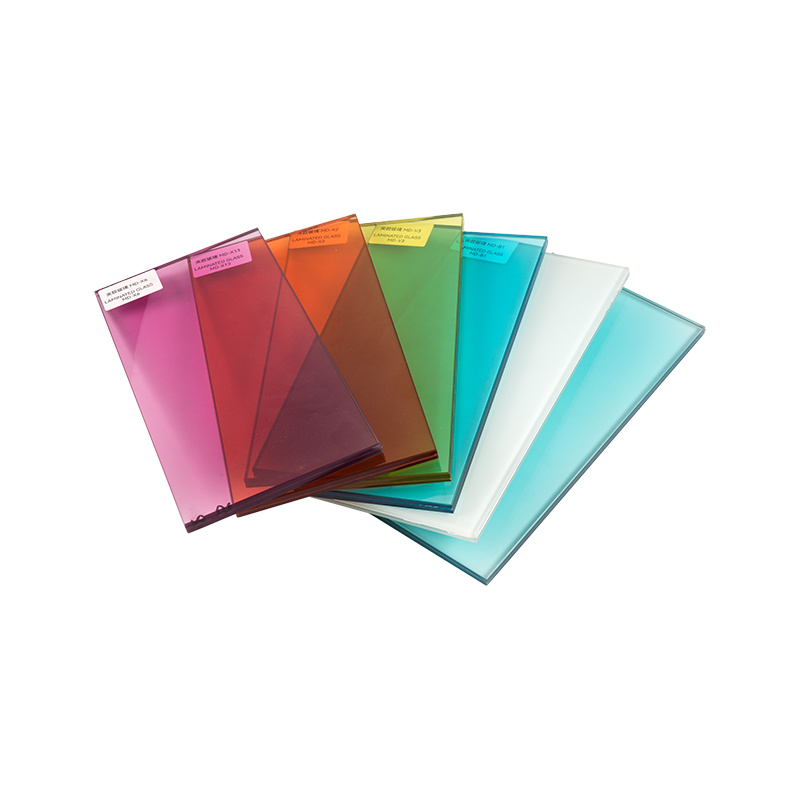
The glass partition in a shower enclosure plays a crucial role. It not only effectively prevents water from flowing to other areas of the bathroom but also makes the bathroom space appear more spacious and brighter. Modern shower enclosures often use tempered glass, which has high impact resistance and compressive strength, ensuring safety. At the same time, the tempered glass surface is smooth, easy to clean, and less prone to water stains and dirt accumulation.
In terms of design, the transparency of the glass partition can enhance the sense of spaciousness, especially suitable for smaller bathrooms. When purchasing, you can choose different glass effects such as frosted, matte, or semi-transparent glass according to your personal needs, maintaining privacy while ensuring light transmission and transparency.
Shower Enclosure Door Selection: The Convenience of Sliding and Swinging Doors
The design of the shower enclosure door is also an important factor affecting the user experience. Common door types include sliding doors and swinging doors. Sliding doors, due to their compact structure and ease of use, are suitable for small bathrooms. The advantage of sliding doors is that they save space, avoiding the space occupation problems caused by the opening and closing of traditional swinging doors.
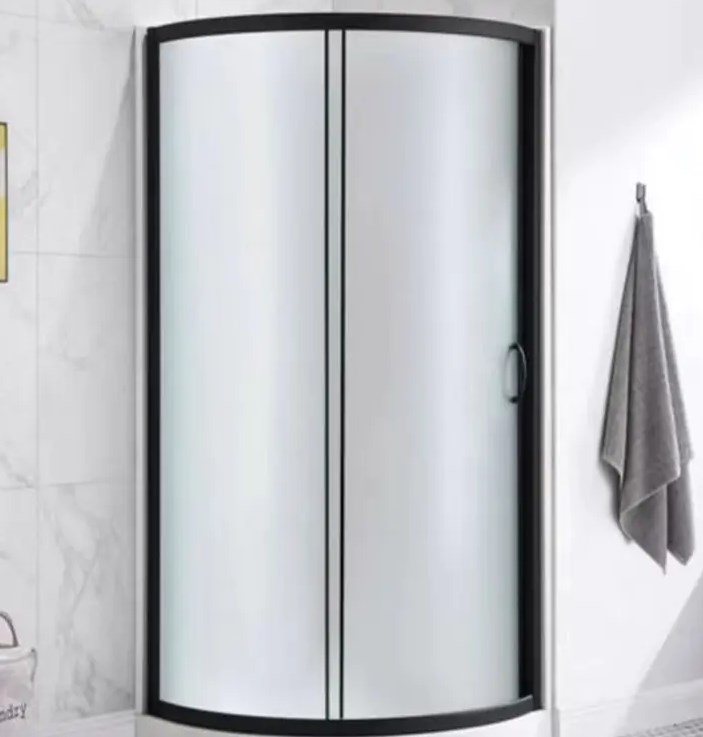
The track design of sliding doors is becoming increasingly sophisticated, using stainless steel or aluminum alloy materials to prevent frequent wear and rust during use. Swinging doors are usually used in larger bathrooms, creating a more open and luxurious atmosphere. Different types of shower door designs require not only a balance of aesthetics and functionality but also consideration of the actual bathroom space.
Shower Enclosure Material Selection: Durability and Aesthetics Combined
In choosing a shower enclosure, material selection is crucial. Besides glass, the choice of materials for other components such as faucets, drains, and frames directly affects the durability and appearance of the shower enclosure. Tempered glass, as the main partition material, is of paramount importance. High-quality tempered glass not only has stronger impact resistance but also a smoother surface, good stain resistance, and is less prone to water accumulation and bacterial growth.
Common frame materials include aluminum alloy, stainless steel, and PVC. Stainless steel frames are particularly favored for their excellent corrosion resistance and long-lasting durability. Stainless steel is not only durable, but its simple and modern appearance also blends seamlessly with various decoration styles, making it especially suitable for modern minimalist or industrial style bathrooms.
The choice of shower enclosure flooring material is also very important. Tiles and waterproof panels are common shower enclosure flooring materials. Tiles have excellent wear resistance and waterproofing, effectively preventing water penetration. Waterproof panels, on the other hand, are suitable for irregular spaces due to their ease of installation and flexibility.
Shower Enclosure Design and Space Optimization
With increasingly limited living spaces, shower enclosure design is increasingly focused on efficient space utilization. In a limited space, how to achieve both functionality and aesthetics in a shower enclosure has become a key issue in bathroom design. An excellent shower enclosure design can not only enhance the beauty of the bathroom but also maximize space utilization.
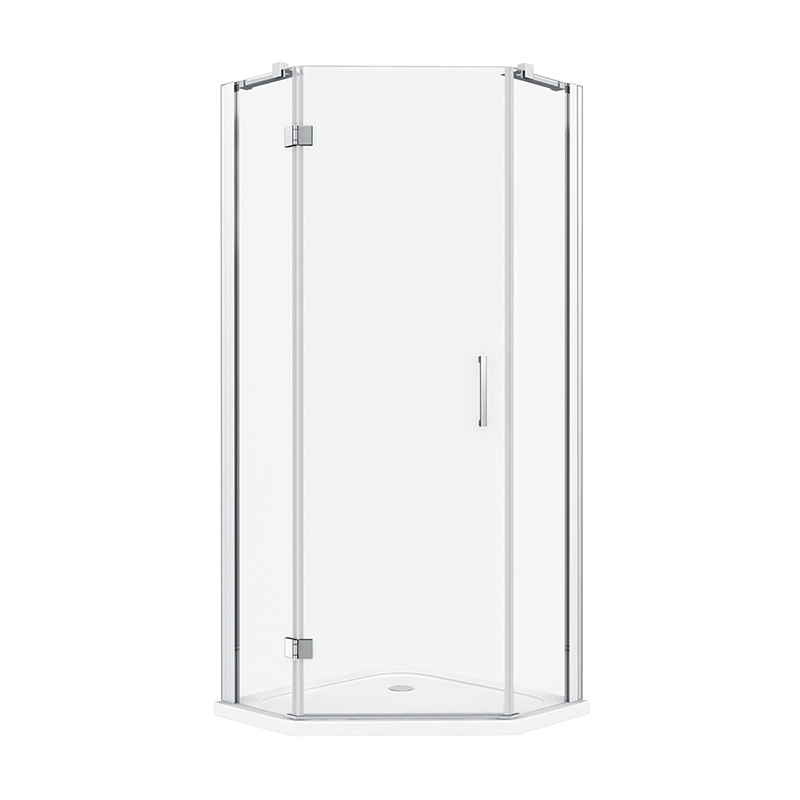
For example, different design forms such as L-shaped, U-shaped, or semi-circular shower enclosures can be rationally arranged according to the actual bathroom space, avoiding unnecessary space waste. For smaller bathrooms, sliding doors or folding doors can effectively save space, making the bathroom appear more spacious. In larger bathrooms, choosing an open shower area or a semi-open design can add a sense of modernity and layering.
Shower enclosure design also needs to consider the rational layout of lighting, ventilation, and hot water systems. For example, installing appropriate bathroom lighting can effectively enhance the atmosphere during showering, while a ventilation system can ensure air circulation in the bathroom, preventing prolonged moisture accumulation and mold growth.
Shower Enclosure Cleaning and Maintenance: Extending Service Life
The cleaning and maintenance of your shower enclosure directly impacts its lifespan and your comfort. Tempered glass surfaces are prone to water stains and grime, making regular cleaning crucial. Many specialized cleaning agents are available on the market that effectively remove limescale and stains, keeping the glass surface clean and bright. Additionally, the tracks of the shower door are also prone to dust accumulation; regular cleaning ensures smooth operation of the door.
During use, avoid using overly strong cleaning agents or abrasive cleaning tools to prevent damage to the surface materials. In daily use, also avoid prolonged exposure of the glass surface to high-temperature steam. Regularly ventilating the bathroom to reduce moisture buildup will help extend the lifespan of your shower enclosure.
Frequently Asked Questions (FAQ)
1. What aspects of shower enclosure glass require special attention?
When choosing tempered glass, ensure that its thickness and quality meet the standards, especially for areas subject to significant impact. Regular cleaning of the glass surface effectively prevents the accumulation of limescale and stains, while maintaining its good transparency and aesthetics.
2. What is the difference between sliding doors and pivot doors?
Sliding doors save space and are suitable for smaller bathrooms, while pivot doors are suitable for larger bathrooms. Sliding doors avoid occupying other bathroom space when opening, while pivot doors provide a wider entry space.
3. How do I clean my shower enclosure?
Regularly clean the glass and faucet components with a specialized cleaning agent, avoiding the use of cleaning tools containing abrasive particles. The glass door tracks are particularly prone to dust accumulation; it is recommended to regularly clean the dirt in the tracks to ensure smooth door operation.
4. How is the waterproofing effect of the shower enclosure guaranteed?
The waterproofing effect of a shower enclosure mainly relies on good sealing strips, appropriate glass partitions, and professional installation techniques. Ensure that the gaps are properly sealed during installation to prevent water from seeping into other areas of the bathroom.
5. What is the most suitable material for the shower enclosure door frame?
Stainless steel door frames are the most common choice. They are corrosion-resistant, durable, and have a simple design, suitable for various decoration styles. Aluminum alloy frames are also a good option; they are lightweight, durable, and relatively affordable.