

 中文简体
中文简体Glass shower doors have become a popular choice in modern bathrooms due to their sleek design, space-enhancing qualities, and ease of maintenance. However, when opting for a glass shower door, safety and long-term stability are crucial concerns. This guide will explore the key factors contributing to the safety and durability of glass shower doors, addressing installation, material choices, maintenance, and practical tips to ensure their longevity and stability over time.
Key Factors Affecting the Safety of Glass Shower Doors
Choosing the Right Glass Material
The glass material used in your shower door is the first line of defense against potential safety issues. Tempered glass, commonly used in shower doors, is designed to break into small, blunt pieces rather than sharp shards, reducing the risk of injury. Opting for tempered glass is vital in ensuring the long-term stability of the door.
- Tempered glass is up to five times stronger than regular glass, making it ideal for shower doors.
- It undergoes a thermal treatment process that increases its strength and makes it less likely to break under stress.
- When broken, tempered glass shatters into small, less harmful pieces, reducing injury risk.
For added safety, it is essential to use tempered glass in both framed and frameless shower door designs. For a clearer visual comparison, refer to the table below:
| Glass Type | Strength | Risk of Injury When Broken |
| Tempered Glass | 5x stronger than regular glass | Small, blunt pieces |
| Regular Glass | Standard strength | Sharp shards |
Glass Thickness and Structural Design
Another crucial factor in ensuring the safety of your glass shower door is the thickness of the glass and the overall structural design. Thicker glass provides greater stability and resistance to impact. A standard glass thickness for shower doors ranges from 6mm to 10mm, with 10mm being the most common for frameless doors due to its superior strength.
- Thicker glass doors are less likely to warp or bend under regular use.
- Frameless designs, while aesthetically pleasing, require stronger, thicker glass to maintain structural integrity.
Installation Considerations for Glass Shower Doors
Proper Installation Techniques and Tools
Ensuring the stability of your glass shower door begins with proper installation. Without the right tools or expertise, even the best-quality glass can be improperly secured, leading to instability. Professional installation is highly recommended to ensure that the door is securely fixed and aligned.
- Use a level to ensure proper alignment of the door.
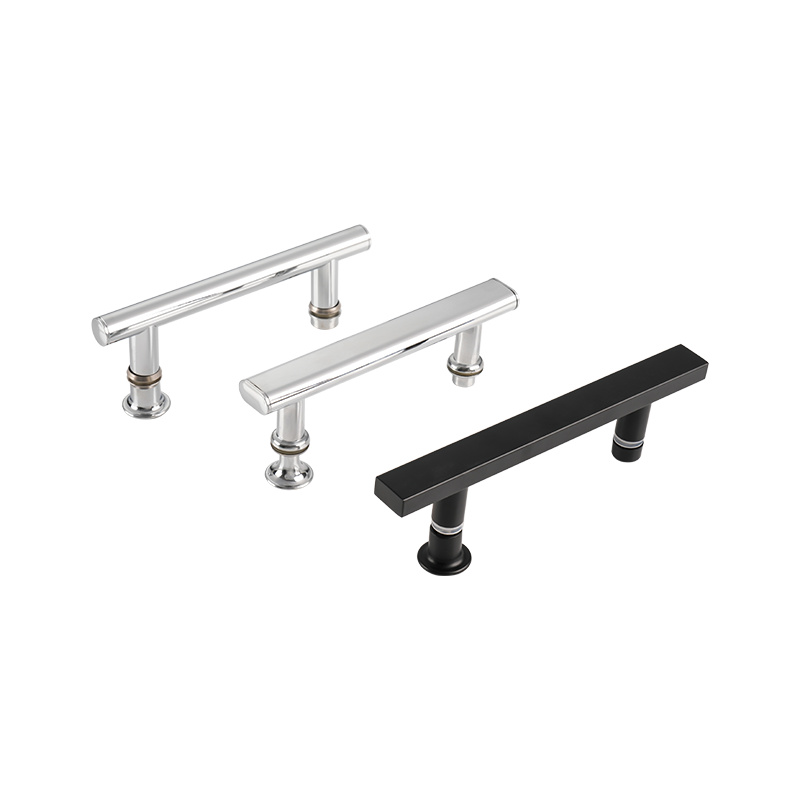
- Install high-quality hinges and brackets to support the weight of the glass.
- For frameless designs, ensure that the wall anchors are secure and can withstand the weight of the glass.
Glass Door Hinges and Fasteners
The hinges and fasteners used in the installation of your glass shower door play a vital role in its long-term stability. Make sure that the materials used are corrosion-resistant, especially in high-moisture environments like bathrooms.
- Stainless steel is the most common material for hinges and fasteners, as it resists rust and corrosion.
- Check the hinges regularly for wear and tear, as loose hinges can lead to instability over time.
Maintaining the Safety and Stability of Your Glass Shower Door
Regular Cleaning and Maintenance
While glass shower doors are relatively easy to maintain, consistent cleaning is essential to preserve their clarity and prevent issues that could compromise their safety. Streaks and buildup from soap scum or hard water can damage the surface, leading to weakening over time.
- Use non-abrasive cleaners and soft cloths to avoid scratching the glass.
- Consider using a squeegee after each shower to prevent water spots and residue buildup.
Periodic Inspections and Upkeep
In addition to regular cleaning, performing periodic inspections of your glass shower door is crucial. Over time, components like the hinges, seals, and tracks may wear out, which could affect the door’s stability and safety.
- Check the door’s alignment to ensure it opens and closes smoothly.
- Inspect the seals for any gaps where water could leak, potentially damaging the door’s frame or surrounding areas.
- Look for any cracks or chips in the glass that could indicate weakness or potential failure.
Choosing the Right Glass Shower Door for Your Bathroom
Frameless Glass Shower Door vs Framed Glass Shower Door
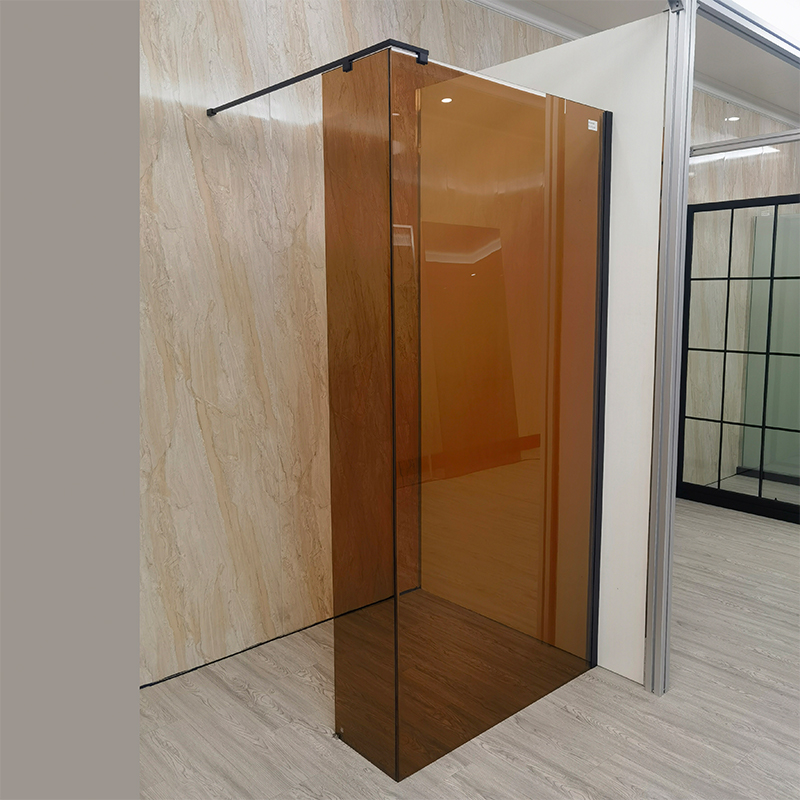
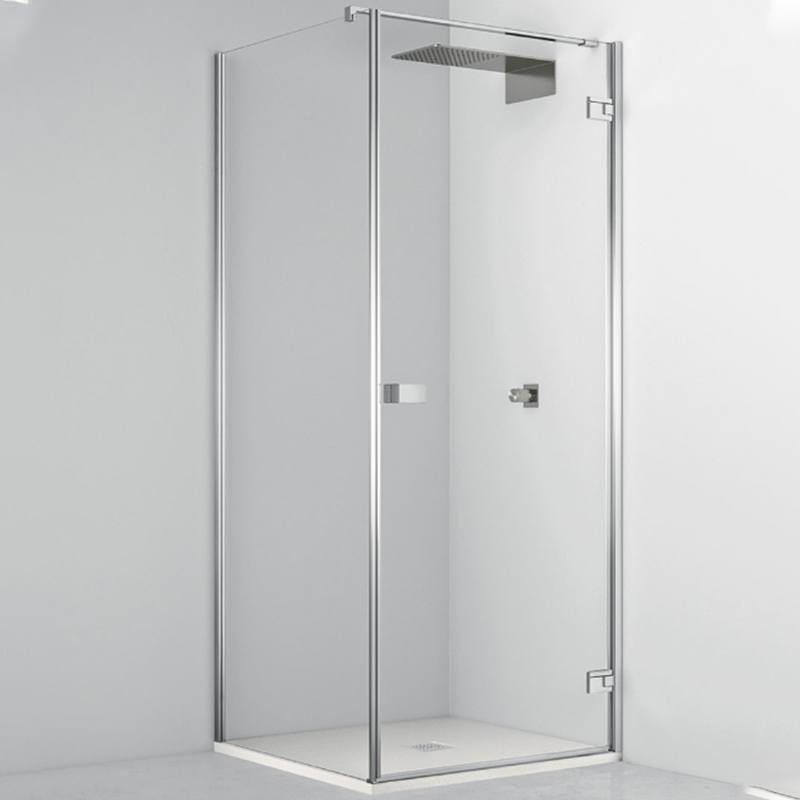
The decision between a frameless and framed glass shower door affects both aesthetics and safety. Frameless doors offer a sleek, modern appearance but require thicker glass and proper installation to ensure long-term stability. Framed doors, while more traditional, offer additional support and might be a better choice for certain bathroom layouts.
| Feature | Frameless Glass Shower Door | Framed Glass Shower Door |
| Glass Thickness | Thicker (8mm-10mm) | Thinner (6mm-8mm) |
| Stability | Requires precise installation | More stable with additional framing support |
| Design | Modern, minimalistic | Traditional, more robust |
Choosing Glass Shower Doors for Small Bathrooms
For smaller bathrooms, the choice of a frameless glass shower door for small bathrooms can be ideal, as it creates a sense of openness and space. However, consider the weight and structural integrity of the door, ensuring that it is properly installed and aligned.
Frequently Asked Questions (FAQs)
1. How can I ensure my frameless glass shower door is safe?
Ensure that the glass is tempered, the installation is done by professionals, and the door is regularly maintained. Periodically check the hinges and tracks for wear.
2. What is the best thickness for a glass shower door?
For a frameless shower door, 10mm glass is recommended for optimal strength and stability. For framed doors, 6mm to 8mm is usually sufficient.
3. How often should I inspect my glass shower door?
Inspect the door at least once a year, focusing on the alignment, hinges, seals, and glass condition to prevent any potential issues.
4. Can I install a glass shower door myself?
While DIY installation is possible, it is strongly recommended to hire professionals due to the need for precision in alignment, proper installation of hinges, and glass support.
5. How do I clean my glass shower door without leaving streaks?
Use a mild, non-abrasive cleaner and a soft microfiber cloth. Regularly use a squeegee to remove water after each shower to prevent water stains.