

 中文简体
中文简体Shower doors, as an important component of modern bathroom spaces, not only serve the functions of waterproofing and splash prevention but also play a crucial role in home aesthetics. Whether in a family bathroom or a high-end hotel, the design and materials of the shower door directly affect the user experience and the sense of space.
Shower Door Material Selection and Characteristics
The material of the shower door directly determines its service life, ease of cleaning, and safety performance. Currently, common shower door materials on the market mainly include tempered glass, stainless steel, and aluminum alloy. Tempered glass is the preferred material due to its high strength and impact resistance. It is usually treated at high temperatures, and even if it breaks, it will shatter into small pieces, reducing the risk of injury. Different thicknesses of tempered glass provide different visual effects and safety levels; thicker glass increases stability, while thinner glass appears more modern and minimalist.
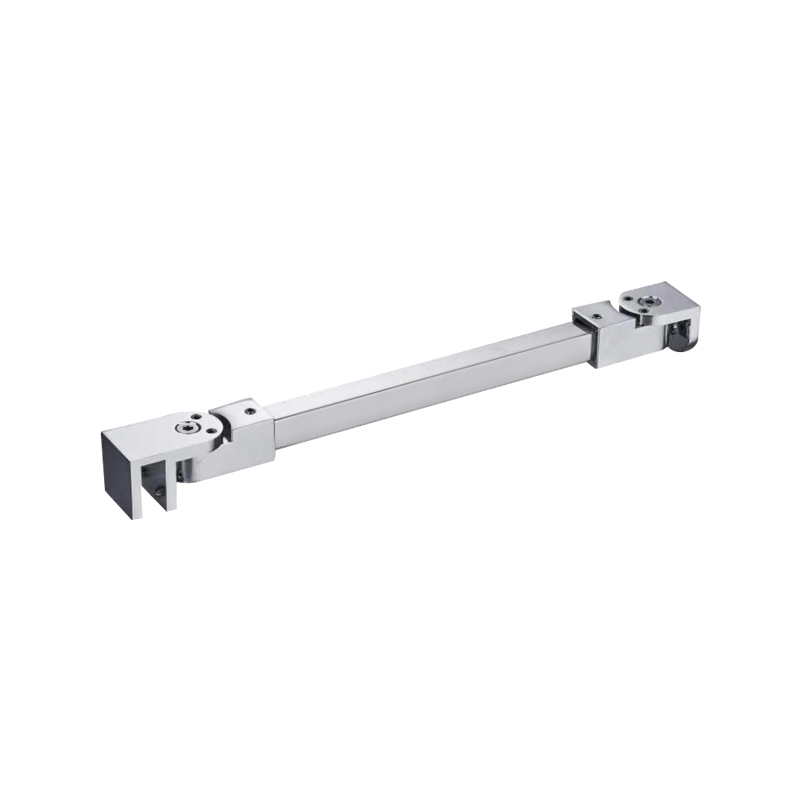
Stainless steel and aluminum alloy are mainly used for door frames and hardware fittings. Stainless steel has corrosion resistance and oxidation resistance, making it suitable for bathroom environments that are constantly exposed to moisture. Aluminum alloy is lightweight and easy to process, and is often used for sliding tracks and door frame structures. High-quality hardware materials not only extend the service life of the shower door but also improve the smoothness and quietness of opening and closing.
Modern Shower Door Design Styles
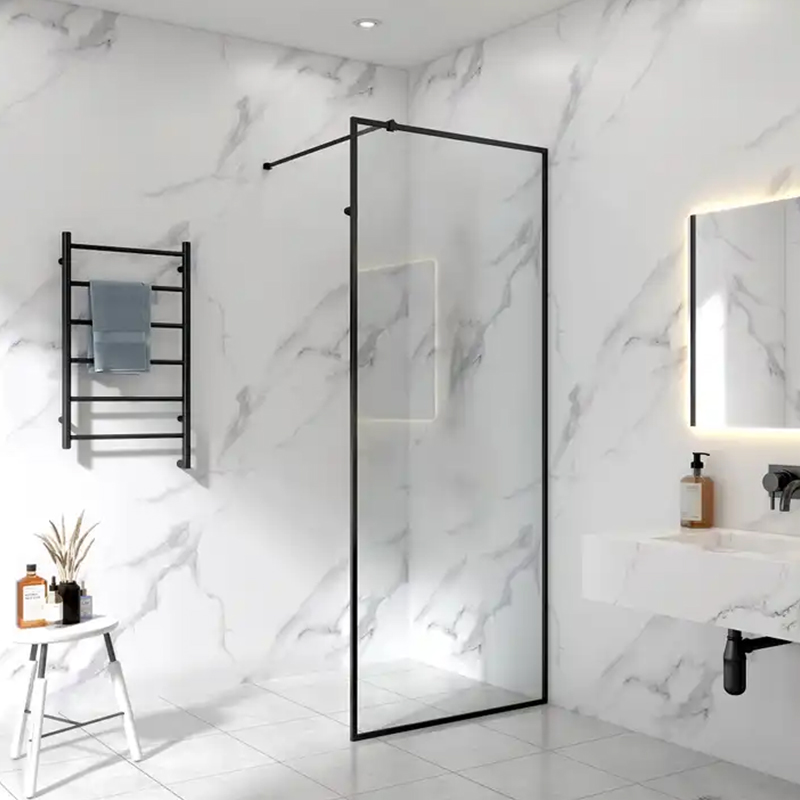
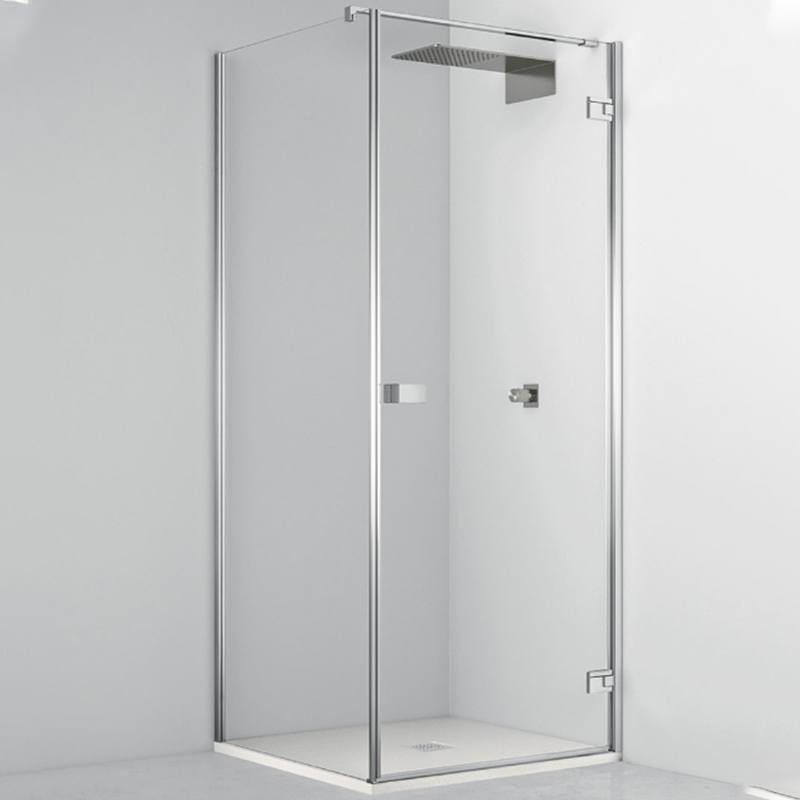
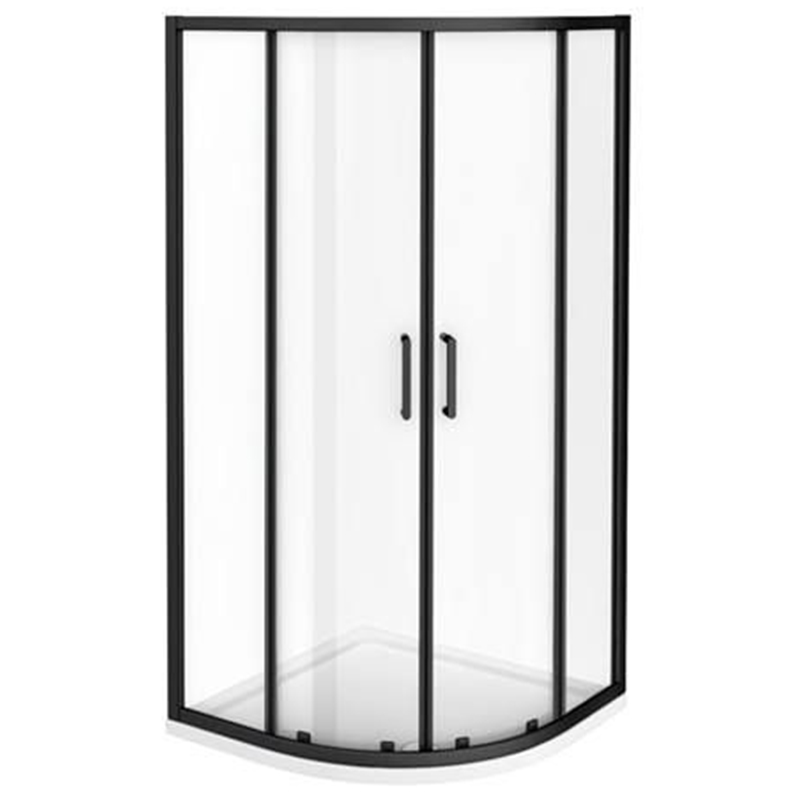
The design style of the shower door plays an important role in visual experience and space layout. Based on the opening method, shower doors can be divided into sliding, hinged, and folding types. Sliding doors save space and are easy to operate, making them suitable for small bathrooms; hinged doors present a grand and stable feel, suitable for spacious bathrooms; folding doors are flexible and convenient, maximizing passage area in limited spaces.
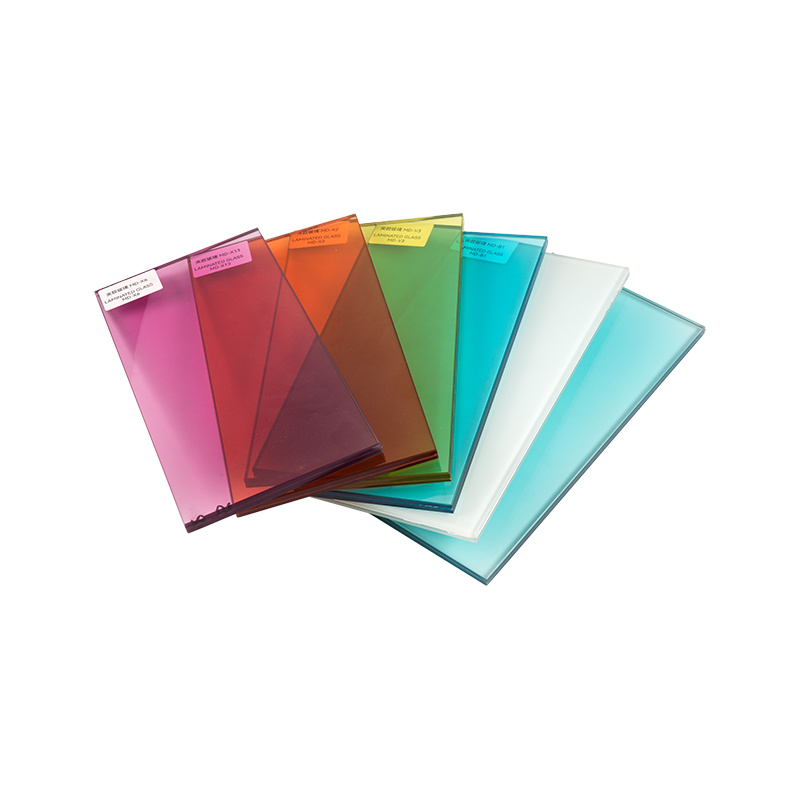
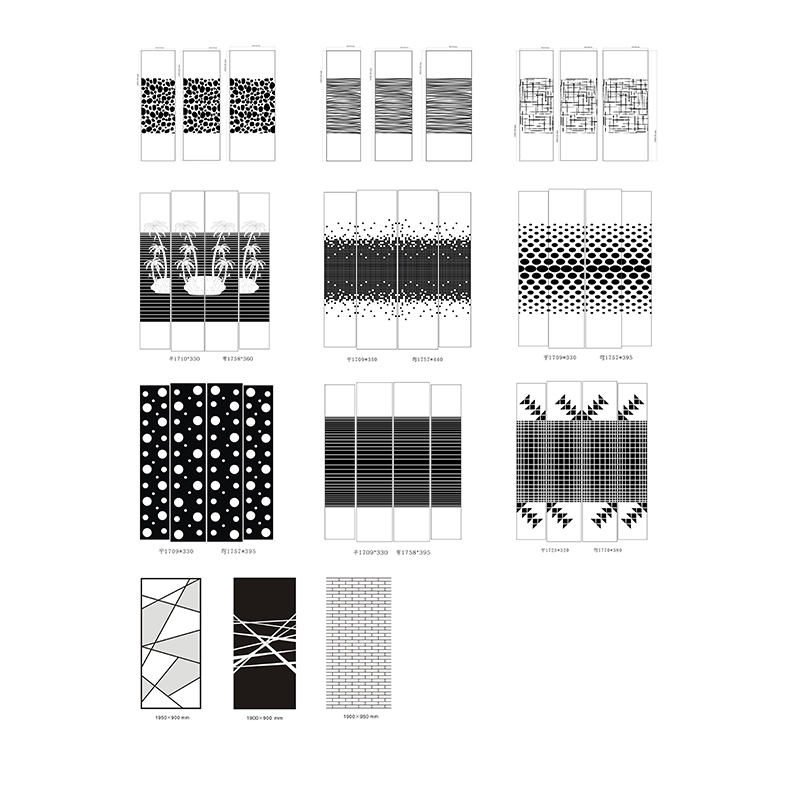
In terms of glass treatment, shower doors also offer diverse design options. Frosted glass provides better privacy while maintaining a stylish look; transparent glass expands the visual space, making the bathroom appear more spacious; glass with partial textures or sandblasted patterns is both decorative and prevents water stains from directly adhering, reducing cleaning difficulty.

The door handles, rollers, and hinges of the shower door also play a crucial role in the overall design. High-quality hardware not only enhances aesthetics but also ensures the long-term stability of the door.
Shower Door Function and Features Analysis
Shower doors are not only a partition tool for the bathroom but also serve the functions of waterproofing, splash prevention, and safety protection. High-performance shower doors are usually equipped with waterproof strips and sealing strips, which can effectively block water flow and prevent water accumulation on the bathroom floor and the risk of slipping. The material and design of the waterproof strips directly affect water tightness and durability. High-quality products usually use flexible silicone or TPR materials, which can maintain elasticity for a long time and are not prone to aging.
Modern shower doors also show significant improvements in corrosion resistance and scratch resistance. The tempered glass surface is treated with a waterproof coating or nano-coating, which reduces the adhesion of water stains, soap residue, and dirt, improving cleaning efficiency. At the same time, the door rollers and hinges use high-precision processing technology to ensure smooth opening and closing for a long time and reduce noise.
Safety is also an important consideration for shower doors. High-quality tempered glass can evenly distribute stress when subjected to external impact, reducing the risk of breakage; at the same time, the cushioning design of hinged and folding doors can prevent pinching or collision, ensuring the daily safety of users.
Professional Advice on Installation and Maintenance
The installation of shower doors requires strict adherence to design dimensions and construction specifications. The gap between the door and the floor, the fixing angle between the glass and the wall, and the balance of the sliding rails and hardware all directly affect the service life and waterproofing effect of the door. Professional installation not only guarantees the stability of the shower door but also ensures its aesthetics and safety.
For daily maintenance, avoid using strong acids, strong alkalis, or abrasive cleaning agents to clean the glass and metal parts to avoid damaging the surface coating. Regularly check the wear and tear of the rollers, hinges, and sealing strips, and replace aging parts in time to extend the service life of the shower door. When cleaning the glass, it is recommended to use a soft cloth and a neutral detergent to easily remove water stains and dirt while protecting the waterproof coating from damage.
A good ventilation environment is also crucial for the maintenance of shower doors. Bathrooms with excessive humidity can accelerate the oxidation of metal fittings and the aging of glass sealing strips. By maintaining air circulation, material degradation can be effectively delayed, ensuring that the shower door remains like new for a long time.
Innovation Trends and Functional Upgrades of Shower Doors
With the intelligent development of bathroom products, shower doors are also constantly upgrading in terms of functionality. For example, some high-end shower doors use anti-fog glass or self-cleaning coatings, making cleaning easier and enhancing the user experience. Some products also integrate cushioning, silent operation, and magnetic closure functions, making the door opening and closing smoother and more comfortable.
From a design aesthetic perspective, modern shower doors increasingly emphasize minimalist style and harmony with the overall bathroom space. The combination of glass and hardware materials focuses on texture and durability. In terms of color, texture, and gloss, high-quality shower doors can create a unified and high-end visual effect with the bathroom environment.
FAQ: Common Questions about Shower Door Use and Maintenance
Q: What is a suitable thickness for shower door glass?
A: Based on usage needs and safety considerations, common tempered glass thickness is between 6-12 millimeters. Thicker glass is more stable but heavier; thinner glass is lighter and more modern, requiring high-quality hardware support.
Q: How can I extend the lifespan of my shower door?
A: Keep the door dry, regularly clean the glass and hardware, check the seals and rollers for wear, and avoid strong impacts.
Q: Do I need a professional to install my shower door?
A: Professional installation ensures the door is stable and properly sealed, preventing loosening or leaks during later use.
Q: What are some precautions for cleaning shower doors?
A: Avoid using abrasive or strong acid/alkaline cleaning agents. It is recommended to use a soft cloth with a neutral cleaner to wipe the glass and hardware, and regularly clean limescale and stains.
Q: How do I choose between different types of shower doors?
A: Sliding doors are suitable for small spaces, hinged doors are suitable for spacious bathrooms, and folding doors are flexible and convenient; also consider personal aesthetic preferences when choosing between transparent, frosted, or textured glass.